
Last updated November 24, 2026
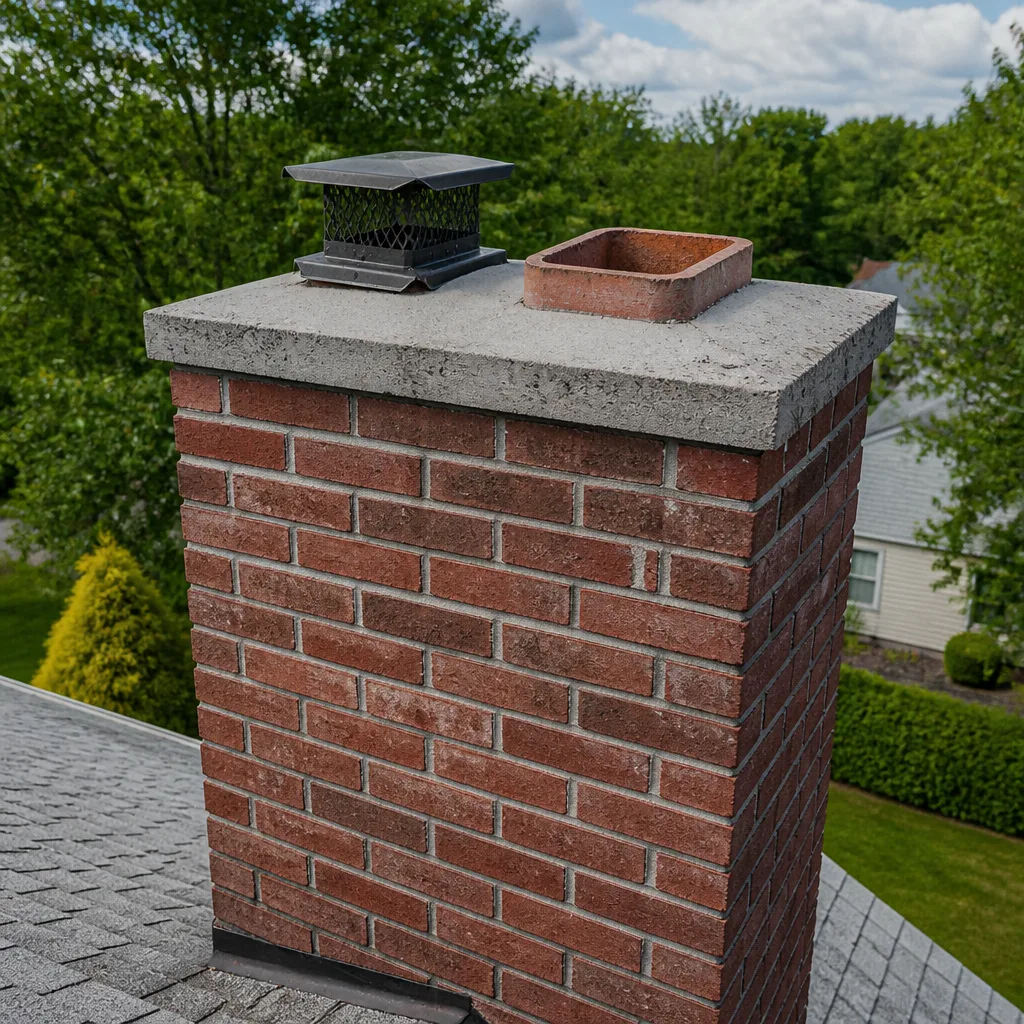 Sweep & inspection
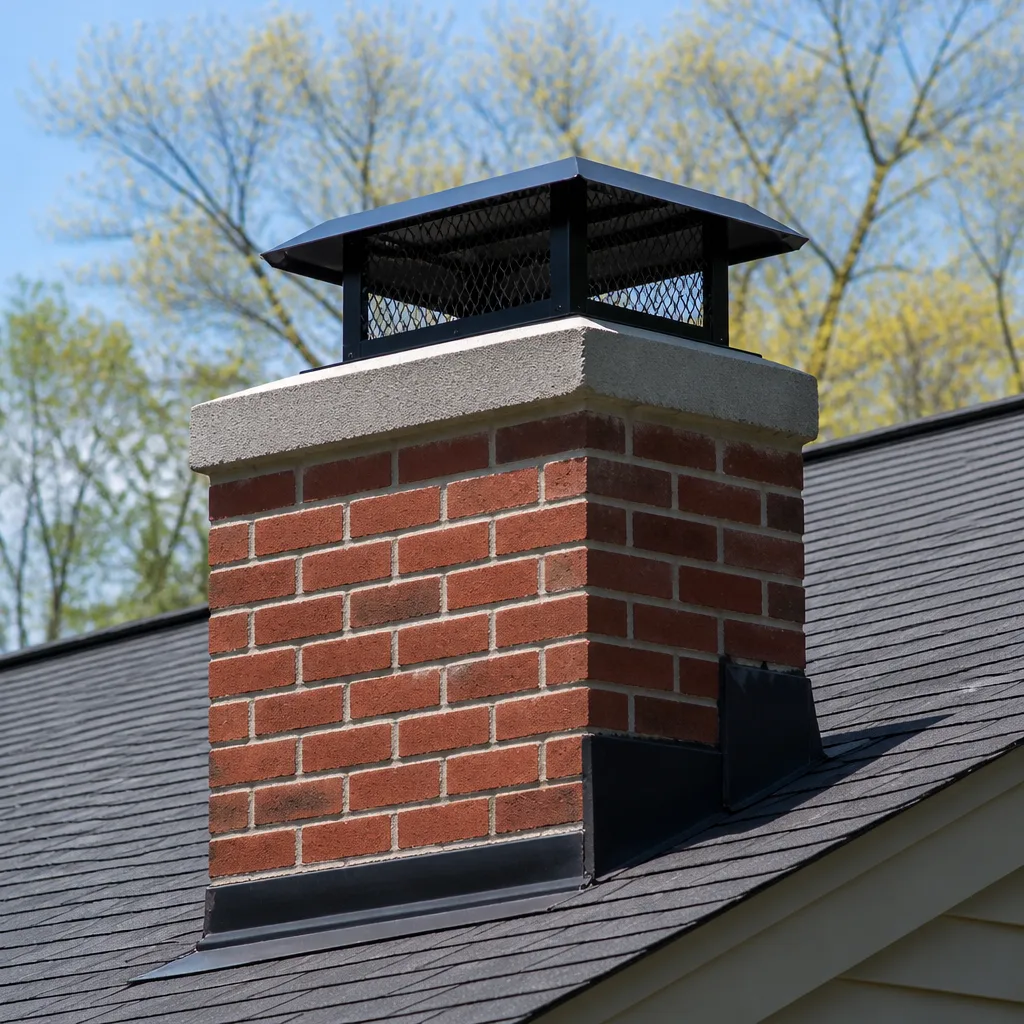 Caps & crowns
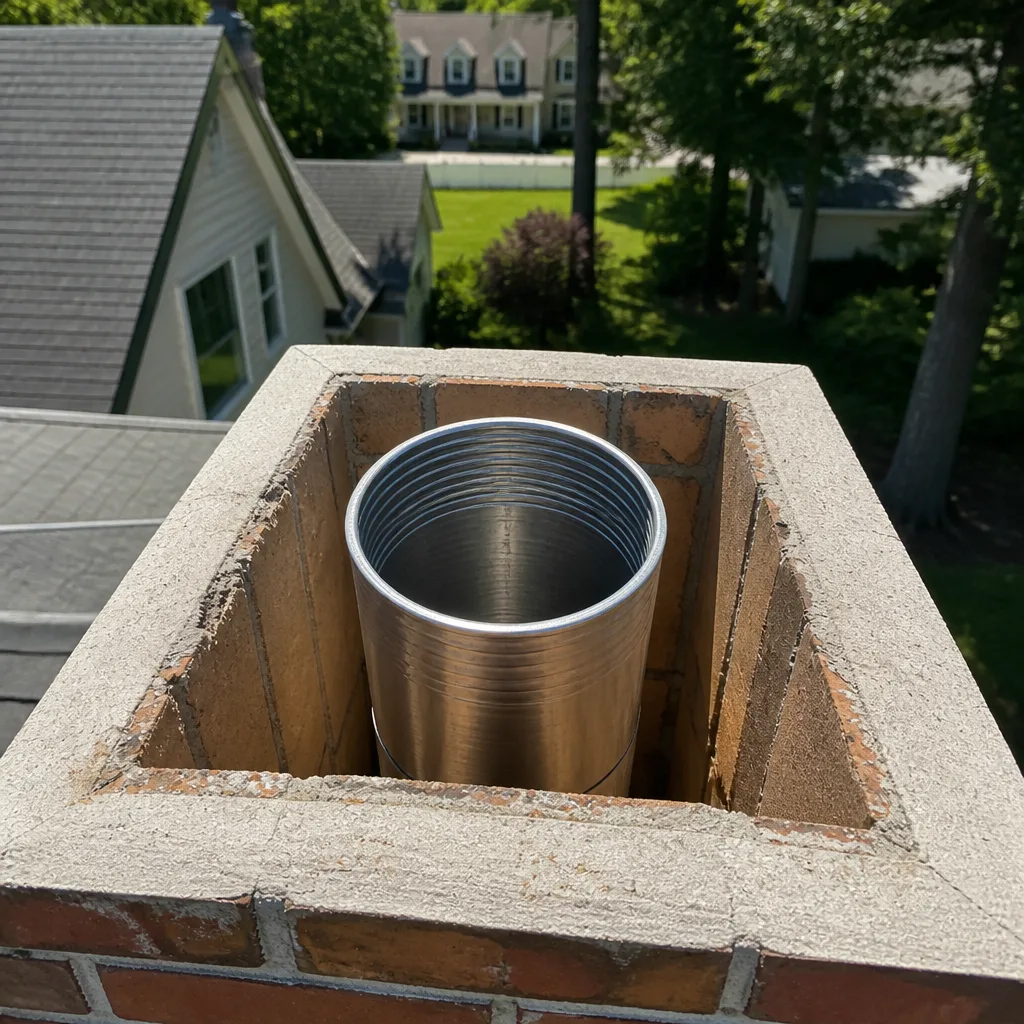 Flue relining
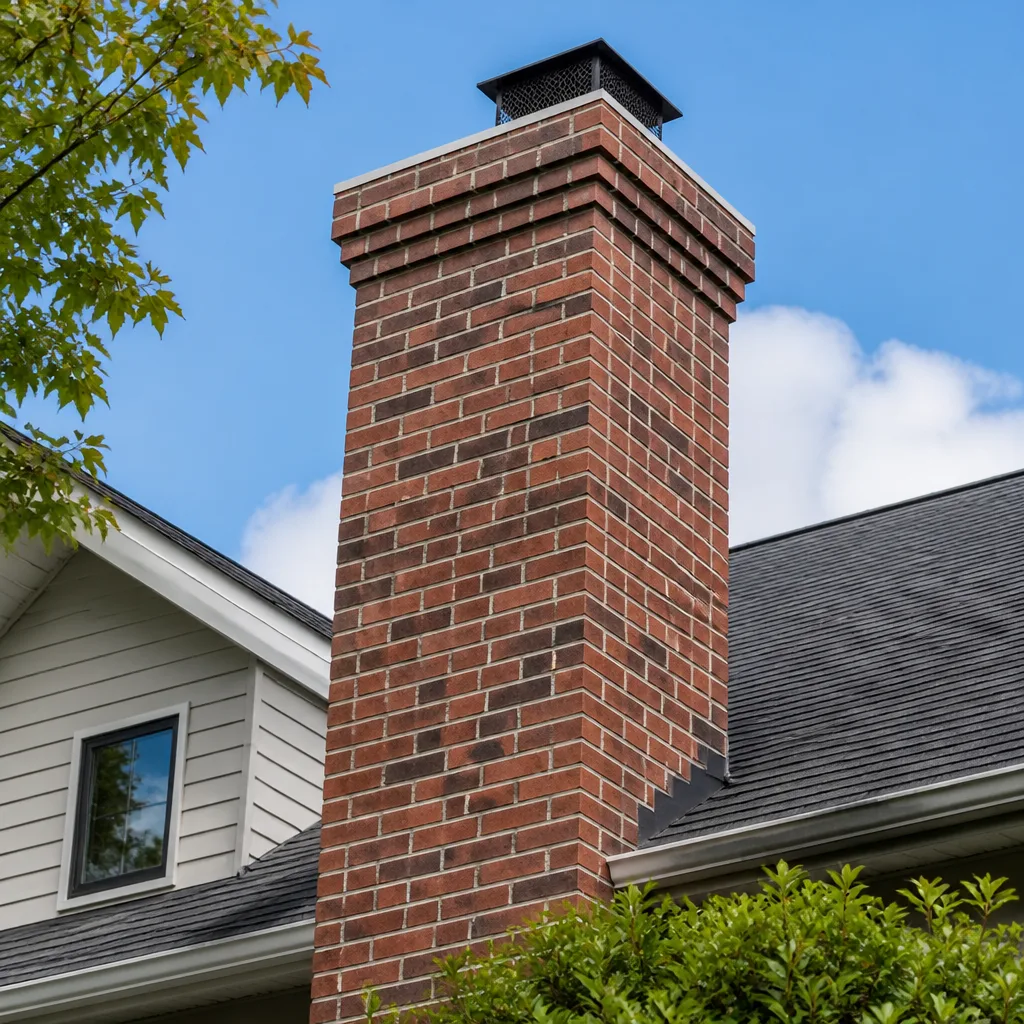 Masonry repair
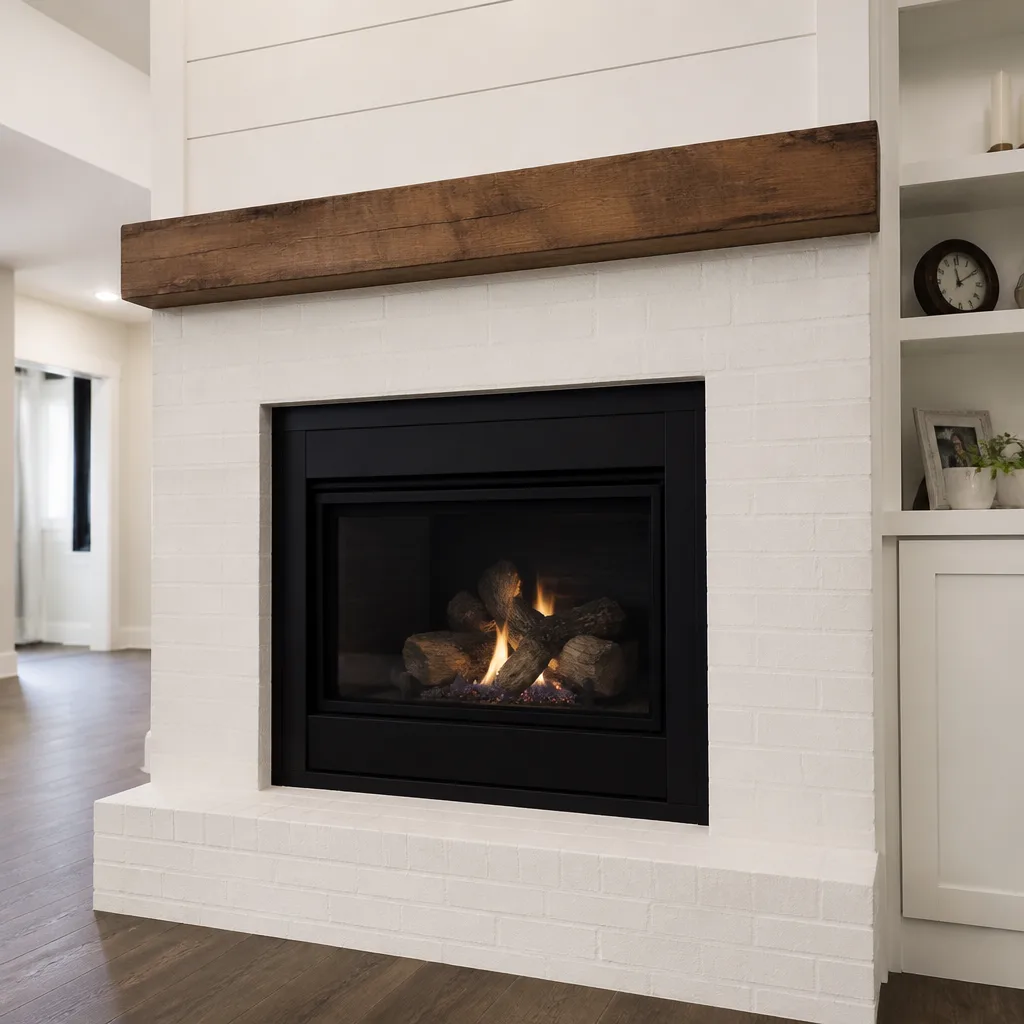 Gas fireplace service
Level 1 sweep and inspection to the NFPA 211 annual standard - flue, crown, cap, and flashing checked and photographed
Chimney sweep logs do not sweep chimneys. They loosen some creosote - which then falls where a brush and vacuum still have to collect it.
The Complete Guide to Chimney Cleaning in South Jordan
Most South Jordan homeowners don’t know whether they have a flue liner, and that single unknown determines what cleaning method is safe to use on their chimney. It sounds backwards. You’d expect the fuel type or the fireplace style to be the deciding factor in a sweep. But a technician’s first job is figuring out what’s inside the flue, because a clay-tile liner, a stainless steel liner, and a cast-in-place liner each demand different brushes, rods, and pressure. Get that wrong and you can crack tile or scar metal. This guide walks through what a real cleaning visit involves in South Jordan, how the valley’s burn patterns and inversion seasons affect creosote, why gas fireplaces still need attention, and what a professional sweep should hand you when the job is done.
Quick Answer
Chimney cleaning in South Jordan is a diagnostic process, not just a brush-and-vacuum job. A professional sweep identifies your flue liner material, measures creosote buildup, performs the appropriate NFPA 211 inspection level, and leaves you with a written condition report. How often you need it depends on what you burn and how often, but annual inspection is the baseline most wood-burning households should hold to.
Styles & brands we work with
- Sweep & inspection
- Caps & crowns
- Flue relining
- Masonry repair
- Gas fireplace service
Table of Contents
- What Actually Happens During a Professional Chimney Cleaning
- How Utah’s Inversion Season Affects Creosote Buildup in South Jordan
- Level 1, 2, and 3 Inspections: Which One Applies to Your South Jordan Home?
- Why Gas Fireplace Flues Need Cleaning Too
- Flue Liner Material and Why It Changes the Cleaning Method
- What a Cleaning Visit Should Produce: The Written Condition Report
- How Often Should You Schedule Chimney Cleaning in South Jordan?
- What You Can Check Yourself and What You Shouldn’t
What Actually Happens During a Professional Chimney Cleaning
A professional chimney cleaning follows a sequence, and each step depends on what the previous one found. That’s why we can’t tell you exactly what your sweep will involve until we’ve looked. Still, the general shape is consistent.
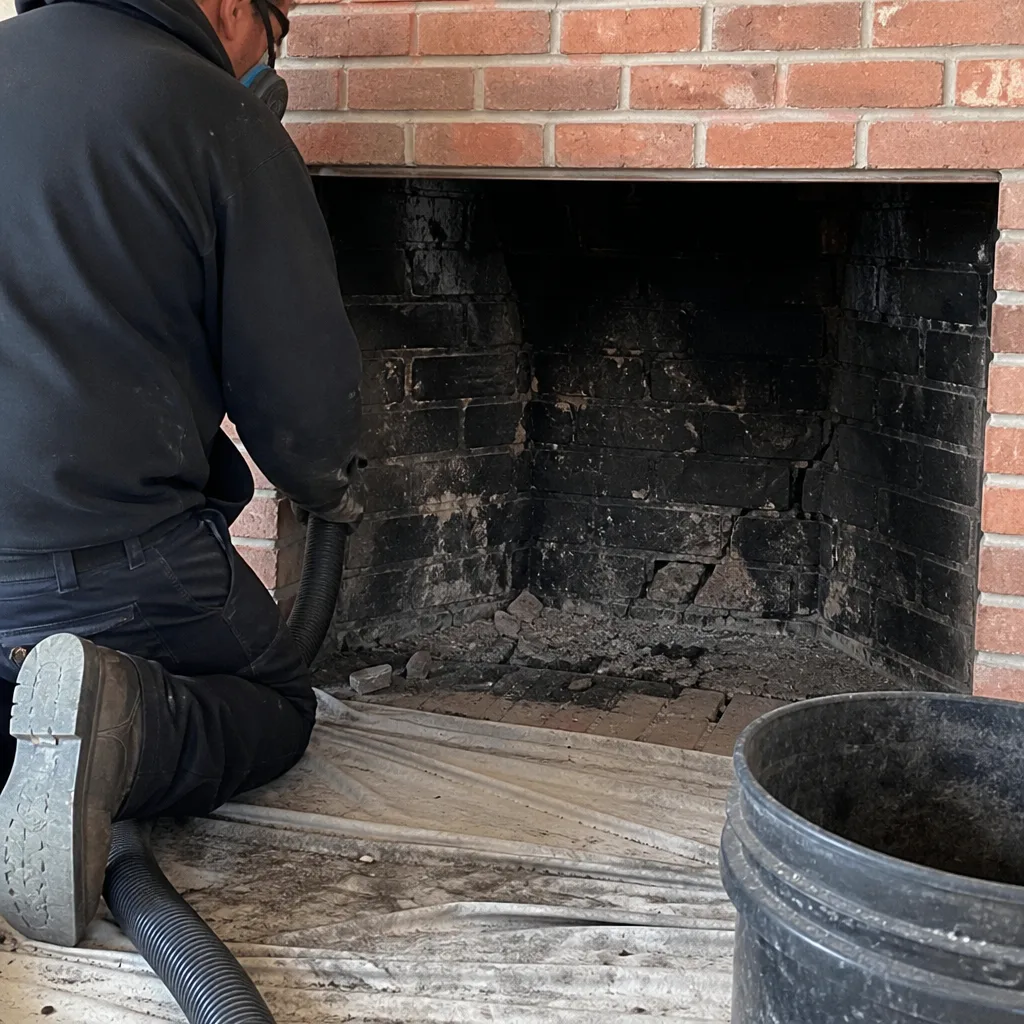
First, the technician sets up drop cloths and a high-efficiency vacuum with HEPA filtration. This keeps soot and ash out of your living space. Next comes a visual assessment of the firebox, damper, smoke chamber, and flue. The technician checks for obstructions, looks at the liner condition, and estimates creosote thickness and type. Only after that does the actual sweeping begin, using brushes sized and matched to your flue liner material and dimensions.
Here’s the sequence in step form:
- Protect the room. Drop cloths, a sealed vacuum, and containment around the firebox opening.
- Inspect before sweeping. Visual check of firebox, damper, smoke shelf, smoke chamber, and flue. Note liner material and any visible damage.
- Identify creosote type. Stage 1 (soot and flaky deposits), Stage 2 (hard, crusty, glazed), or Stage 3 (glossy, tar-like). Each stage calls for a different approach.
- Sweep the flue. Brushes and rods selected for liner material. The technician works from the top down or bottom up depending on access and setup.
- Sweep the firebox and smoke chamber. These areas collect ash and creosote that flue brushing alone won’t reach.
- Vacuum out residual debris. The HEPA vacuum continues running through the whole process.
- Run a camera inspection if needed. A flue camera shows the interior of the liner, especially in sections you can’t see from either end.
- Document findings. Photos and written notes on liner condition, creosote level, obstructions, and any defects that need attention.
In South Jordan, we see a lot of fireplaces that get used hard from November through February and then sit idle the rest of the year. That pattern tends to produce denser creosote in a shorter window than you’d get from steady, moderate use throughout the winter. The clean after a heavy season tells you more than a mid-season clean would.
How Utah’s Inversion Season Affects Creosote Buildup in South Jordan
Utah’s winter inversions change the way wood smoke behaves along the Wasatch Front, and they change the way creosote builds in a South Jordan chimney. Here’s the mechanism. An inversion traps cold air and pollutants in the valley under a warmer layer aloft. Smoke from a wood fire doesn’t disperse the way it would in open air. It lingers, and in a fireplace the effect is that exhaust leaving the flue meets cooler air and condenses more readily on the liner walls. Cooler flue temperatures mean more creosote deposits and less complete combustion of the smoke itself.
What that means for a South Jordan household:
- Burning wet or unseasoned wood during an inversion produces far more creosote than the same wood burned in open conditions. Dry, seasoned firewood is the single biggest lever you control.
- A cold flue is a creosote factory. Lighting a small, hot fire first to warm the flue before adding larger pieces reduces condensation and improves draft.
- Air quality advisories on inversion days are a signal to burn less, not more. When the valley is capped, every fire contributes to the problem and leaves more deposit behind.
- Annual cleaning matters more in inversion-prone valleys than in a drier-burn climate where smoke disperses quickly and the flue stays warmer.
In our experience across South Jordan, the chimneys we clean after a long inversion-heavy winter routinely show heavier deposits than homeowners expect. Someone who burns two cords a season and keeps the flue warm can have a lighter load than a household that occasionally burns damp wood on cold, stagnant days. Volume alone doesn’t predict creosote. Burn quality does.
That’s the reason we tell South Jordan households to treat the end of winter, not the start, as the natural time to schedule a chimney sweep. You clear the deposit left by the season you just burned and go into summer with a clean flue that has months to dry out and any defects documented well before you need to light a fire again.
Level 1, 2, and 3 Inspections: Which One Applies to Your South Jordan Home?
The National Fire Protection Association’s standard 211 defines three inspection levels, and the level you need depends on what’s changed since the last inspection. A routine annual visit is usually Level 1. Anything that has changed the way the chimney performs pushes you to Level 2. A known hazard, or a chimney that has been damaged, calls for Level 3.
Here’s how they break down in plain terms:
- Level 1: A visual inspection of readily accessible portions of the chimney, firebox, and flue, without tools that require access beyond standard reach. This is the routine annual check when the appliance and its use haven’t changed.
- Level 2: A more thorough look that includes accessible areas of attics, crawl spaces, and other parts of the chimney structure, typically with a video camera to view the flue interior. Required after a change in the system (a new appliance, a relined flue, a change in fuel type), after a chimney fire, after an earthquake, or when a property changes hands.
- Level 3: The most detailed inspection, and the one that involves accessing concealed parts of the chimney, potentially opening walls or removing parts of the structure. This is reserved for situations where a serious problem is already suspected.
South Jordan has a common scenario that pushes homeowners from Level 1 to Level 2 without them realizing it: the basement fireplace remodel. Plenty of homes in South Jordan have a lower-level fireplace that gets refinished, refaced, or converted from one fuel type to another. The moment you change the appliance or the way it connects to the flue, you’ve altered the system, and NFPA 211 calls for a Level 2 inspection. A homeowner who adds a gas insert into a former wood fireplace in a Daybreak or Jordan Landing home needs a camera inspection of the flue to confirm the liner is compatible, before lighting it once.
When a remodel is done properly, the inspection is what catches the incompatibility. When it isn’t, the first fire does. A Level 2 inspection with a camera is how you find out which one you’re facing. Our inspection service uses camera equipment to document what’s inside the flue and to compare it against the appliance’s requirements.
If you’re remodeling or have recently finished a remodel, don’t wait for the next scheduled sweep. Book a Level 2 inspection before your first fire in the new configuration.
Why Gas Fireplace Flues Need Cleaning Too
Gas fireplaces produce no creosote, but they still need their flues cleaned and inspected, and in South Jordan’s newer construction neighborhoods the reason is usually a blockage rather than a deposit. A gas fireplaces vents through a flue just like a wood fireplace does, and that flue is an open vertical shaft ending in a cap. To a bird, it’s a sheltered spot for a nest, and the surrounding new construction in Jordan Landing, Daybreak, and similar areas gives them plenty of options.
Nesting material in a gas flue is a real problem. It obstructs the exhaust path, which can push combustion gases back into the home and shorten the service life of the appliance. Because the fuel burns clean, no one thinks to look. The fireplace lights, the flame looks fine, and the blockage sits there.
Gas fireplace flues also accumulate dust, debris, and sometimes the residue of a spider or insect population that likes the warmth. During an annual inspection, the technician looks down the flue from the top and up from the appliance connection, confirms the path is clear, and cleans out anything that doesn’t belong there.
Here’s what to check on a gas fireplace between professional visits:
- A cap on the flue termination. A cap fitted to manufacturer spec blocks birds and animals from getting down the flue. A cap that’s missing, loose, or rusted through is the single most common cause of a blocked gas flue.
- Any change in draft. If the fireplace ever spills exhaust at startup or has a strange burned odor, stop using it and have the flue inspected.
- Obvious nesting at the cap. Look at the flue termination from outside, at ground level, if you can see it. Twigs or grass at the cap suggest a nest.
For South Jordan homes with a gas fireplace, the annual inspection matters as much as it does for wood, not for creosote but for obstructions. A cap in good condition prevents most of these problems before they start. We install caps on manufacturer-spec hardware from Gelco and Famco, properly fitted to the flue dimensions.
Flue Liner Material and Why It Changes the Cleaning Method
The flue liner is the surface that contains the fire and carries exhaust up and out. It’s not visible from your living room, and most South Jordan homeowners have never seen theirs. It’s also the factor that dictates which brushes can touch your flue and which can’t.
Three liner materials show up in South Jordan homes, and each behaves differently:
- Clay tile liner. The most common older liner in the area. Fired clay tiles stacked in the flue with mortar joints. Clay tile is brittle. A brush that’s too stiff or a rod used at the wrong angle can crack tile or break joints. Cleaning calls for a brush diameter exactly matched to the flue interior, used with a light touch at the joints.
- Stainless steel liner. Often installed as a reline inside an existing chimney, or as the original liner in newer homes. Metal won’t crack, but a stiff brush used carelessly can scratch the surface or snag a seam. The technician uses a softer brush and checks the seams and connections for sign of separation.
- Cast-in-place liner. A poured or sprayed ceramic material applied to the flue walls. This includes professional products like HeatShield, which is a ceramic flue repair system designed for chimney technicians. Cast-in-place liners are more durable than clay tile but still need the right brush and careful handling where the material meets the appliance connection.
If you don’t know which liner you have, that’s the first thing a professional sweep establishes. It determines the cleaning method, and it also determines which repairs are possible. Clay tile that has cracked can sometimes be repaired with a ceramic system like HeatShield, which is a specialized product not available to general handymen. Stainless steel that has failed typically means a reline, and we install DuraFlex and Olympia Chimney liner systems. A cast-in-place liner that has degraded needs a different approach again.
This is the core of a professional chimney repair relationship: knowing the liner lets you clean it safely and repair it correctly. A sweep who doesn’t check the liner material before running a brush is guessing, and guessing is what breaks tile.
The written condition report at the end of the sweep should tell you which liner you have, its condition, and whether any repair is needed. Once you know that, future cleaning visits get faster and more predictable, and future repairs get planned instead of panicked.
What a Cleaning Visit Should Produce: The Written Condition Report
A chimney cleaning should end with a document, not just a receipt and an invoice. The written condition report is the most useful thing a sweep can leave with a South Jordan homeowner, because it turns a mystery into a record you can act on.
Here’s what a proper report should contain:
- Liner material and condition. Clay tile, stainless steel, or cast-in-place, plus any cracks, gaps, or deterioration found.
- Creosote level. Stage 1, 2, or 3, with an estimate of how much was removed.
- Obstructions found and cleared. Nesting material, leaves, or anything else that was blocking the flue.
- Camera findings. Photos of the flue interior if a camera was used, which is standard on any Level 2 inspection.
- Condition of the firebox, damper, smoke chamber, and cap. Each component gets a line and a note.
- What needs attention and when. Repairs that should happen before the next fire season versus items that can safely wait.
The last point matters most. A report that tells you everything needs fixing is not a report, it’s a sales pitch. A good report tells you what’s urgent and what isn’t. Cracked tile near the appliance connection that could let heat into the chimney structure is urgent. A cap that’s a little weathered but still doing its job is not. We write reports that way on purpose: the homeowner sees the camera images and the notes, and decides based on evidence.
Keep the report. Next year’s inspection compares against it, and you can see the difference a season of burning made. When a South Jordan home changes hands, that record of documented inspections and cleaning is one of those things a buyer appreciates more than they expect to.
How Often Should You Schedule Chimney Cleaning in South Jordan?
The general rule is to have your chimney cleaned when creosote has accumulated to a meaningful level, and inspected annually. For most South Jordan wood-burning households, that means cleaning every year or every other year, and inspecting every year regardless. The variable is what you burn and how often, not a fixed calendar date.
A quick guide by fuel type and burn pattern:
- Wood-burning fireplace used regularly, typically November through February: Annual cleaning and inspection. Inversion-heavy seasons push the deposit higher, so don’t skip the year.
- Wood-burning fireplace used lightly, maybe a dozen fires a season: Annual inspection, cleaning when the inspection finds enough creosote. The inspection still happens every year.
- Gas fireplace, any use: Annual inspection for flue obstruction and cap condition, plus cleaning as needed. Gas doesn’t produce creosote, but it does attract birds.
- Pellet appliance: Annual cleaning and inspection, and pay attention to the flue, which collects ash and can hold the same nesting problems as gas.
- Chimney used after a remodel or fuel change: Level 2 inspection before the first fire in the new configuration, regardless of when the last sweep happened.
For South Jordan specifically, the timing question is usually best answered with “end of the burn season.” Clean in late winter or early spring after the last fire, and you clear the deposit while it’s fresh and let the flue dry clean through the warmer months. If you wait until fall, you’re cleaning a flue that has sat for months and facing the pre-winter rush at the same time as everyone else.
If you can’t remember the last time the chimney was cleaned, that’s the answer: schedule an inspection and let it drive the decision. A professional will tell you whether cleaning is needed this year or whether the deposit level can wait.
What You Can Check Yourself and What You Shouldn’t
There’s a useful distinction between what a South Jordan homeowner can reasonably check between professional visits and what should be left to a technician. Some checks prevent problems. Others, if done casually, create them.
What you can check safely:
- Look at the flue cap from outside at ground level. You’re checking for obvious nesting, rust, or a missing cap. No climbing.
- Shine a flashlight up the flue from the firebox when the fireplace is cold and out of use. You’re looking for obvious blockages or visible soot buildup near the damper.
- Test the damper. Make sure it opens and closes fully and sits flush.
- Note any change in draft or odor. A fireplace that used to draw well and doesn’t any longer is telling you something.
What you should not do:
- Don’t climb onto the roof to inspect or sweep the flue yourself. Roof work on a steep or pitched surface carries a real fall risk, especially with a ladder against a chimney in winter conditions. This is work for a trained professional.
- Don’t run a brush down an unknown flue. Without knowing the liner material, you risk cracking clay tile or snagging a metal seam. The damage may not show up until the next fire exposes it.
- Don’t burn a “creosote log” as a substitute for cleaning. These products may loosen some deposits, but they don’t remove them, and they don’t replace a professional sweep. A loosened deposit can also collect and create a blockage.
- Don’t open the damper and torch a fire to “burn out” a creosote deposit. A chimney fire is a chimney fire whether it’s intentional or not. This is a genuine hazard, not a cleaning method.
If you find something that concerns you during a safe check, don’t test it with a fire. Call a professional and describe what you saw. A sweep who can answer questions about the discovery over the phone is doing part of the job already.
Common Mistakes to Avoid
- Skipping the liner check before the sweep. A technician who doesn’t establish the liner material might use the wrong brush and crack your tile. The check comes first, always.
- Treating a gas fireplace as maintenance-free. A blocked gas flue from bird nesting in South Jordan’s newer construction neighborhoods is a real hazard and a real repair cost. Gas needs an annual inspection.
- Using a “creosote log” and calling it cleaned. The log loosens deposits that still need to come out. It’s not a substitute for a sweep.
- Burning wet or unseasoned wood during an inversion. In a capped valley, damp wood produces significantly heavier creosote than the same wood in open conditions. Season your firewood.
- Remodeling a fireplace and lighting it without an inspection. A basement fireplace conversion or a new gas insert changes the system. Utah’s NFPA 211 standard calls for a Level 2 inspection before the first fire.
- Accepting an inspection with no camera or photos. A condition report you can see is worth ten you can’t. Ask for the camera findings in writing.
- Waiting until fall to clean a flue you used all winter. Clean at the end of the burn season, not the start of the next one, and let the flue dry clean through summer.
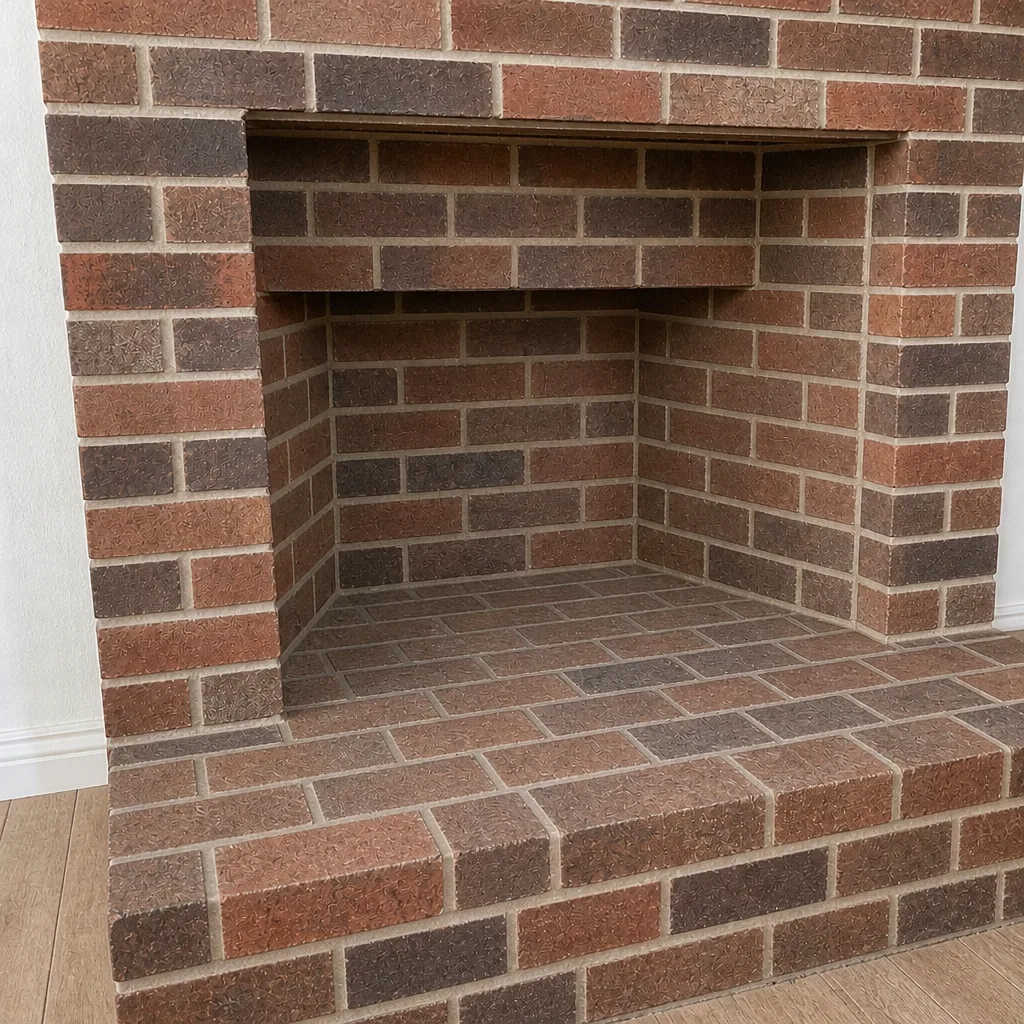
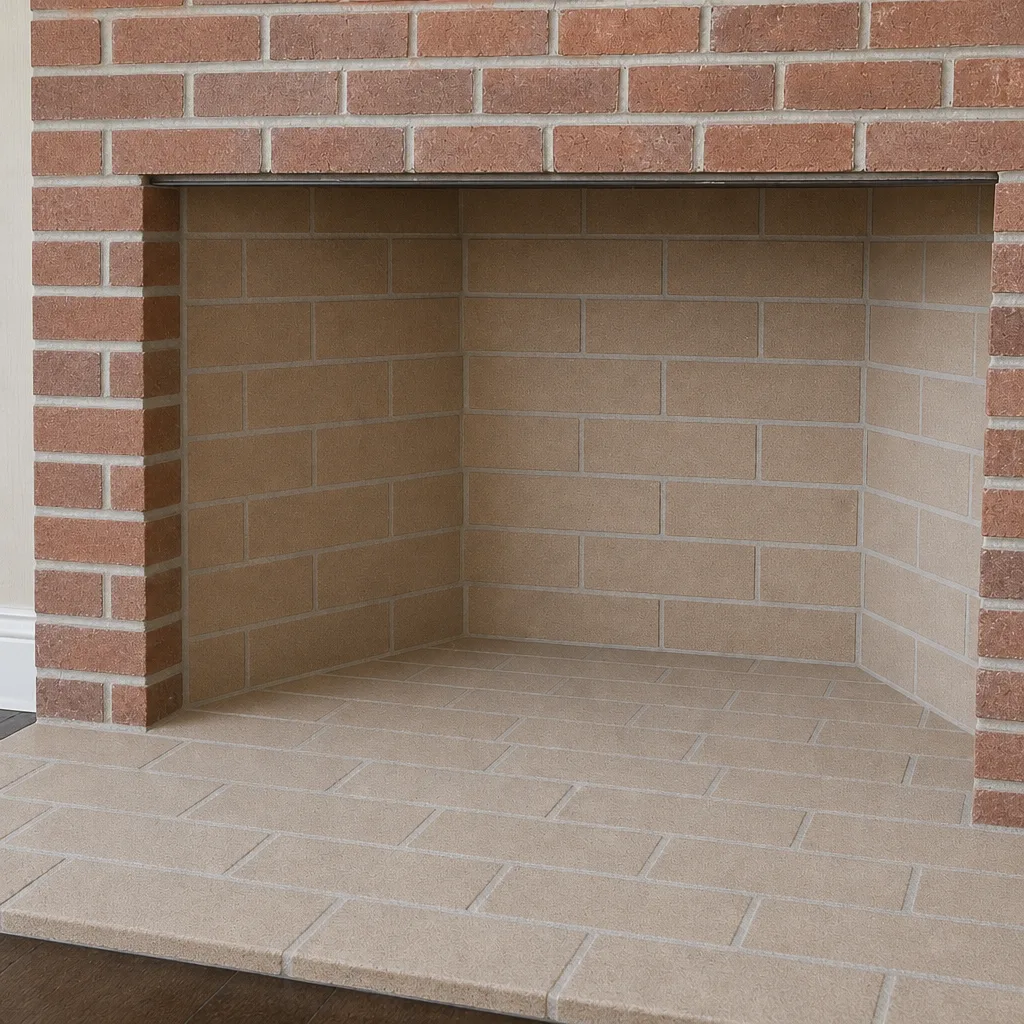
See the difference
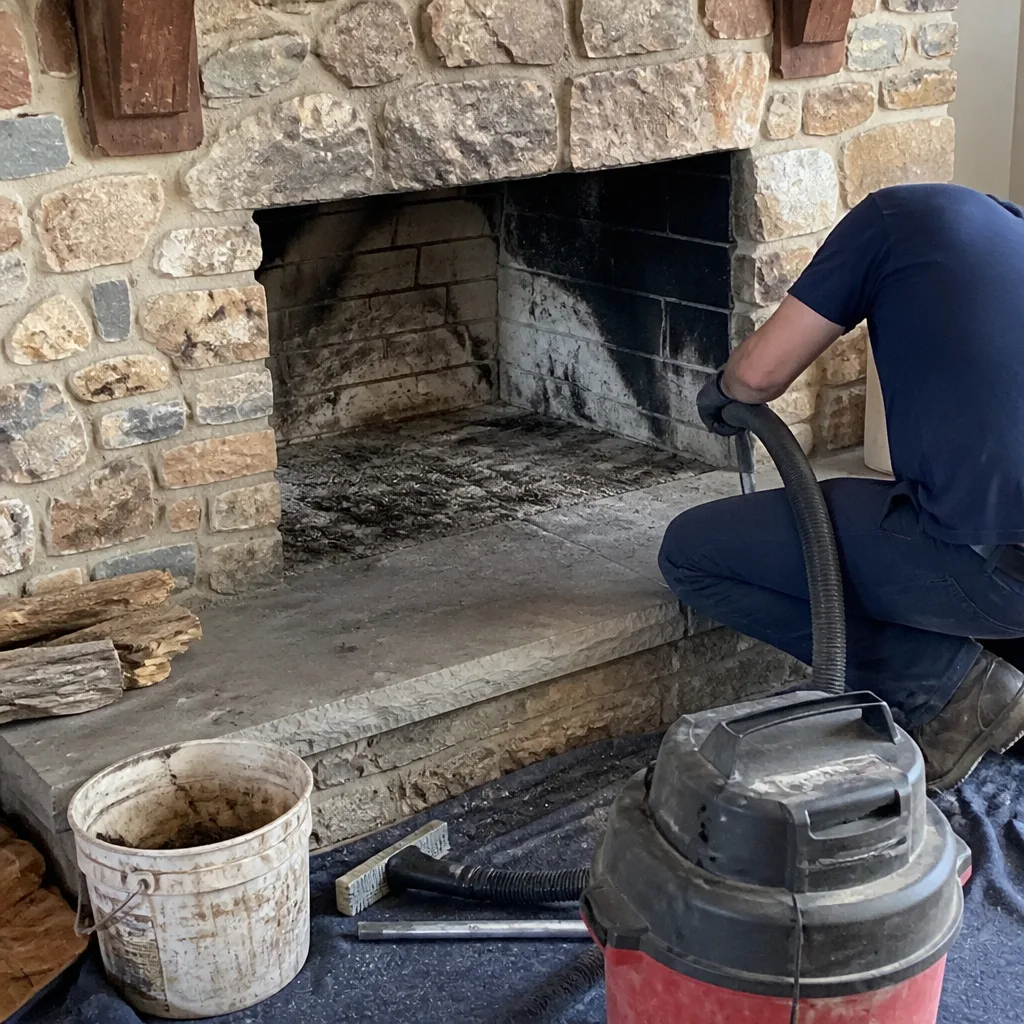 Before
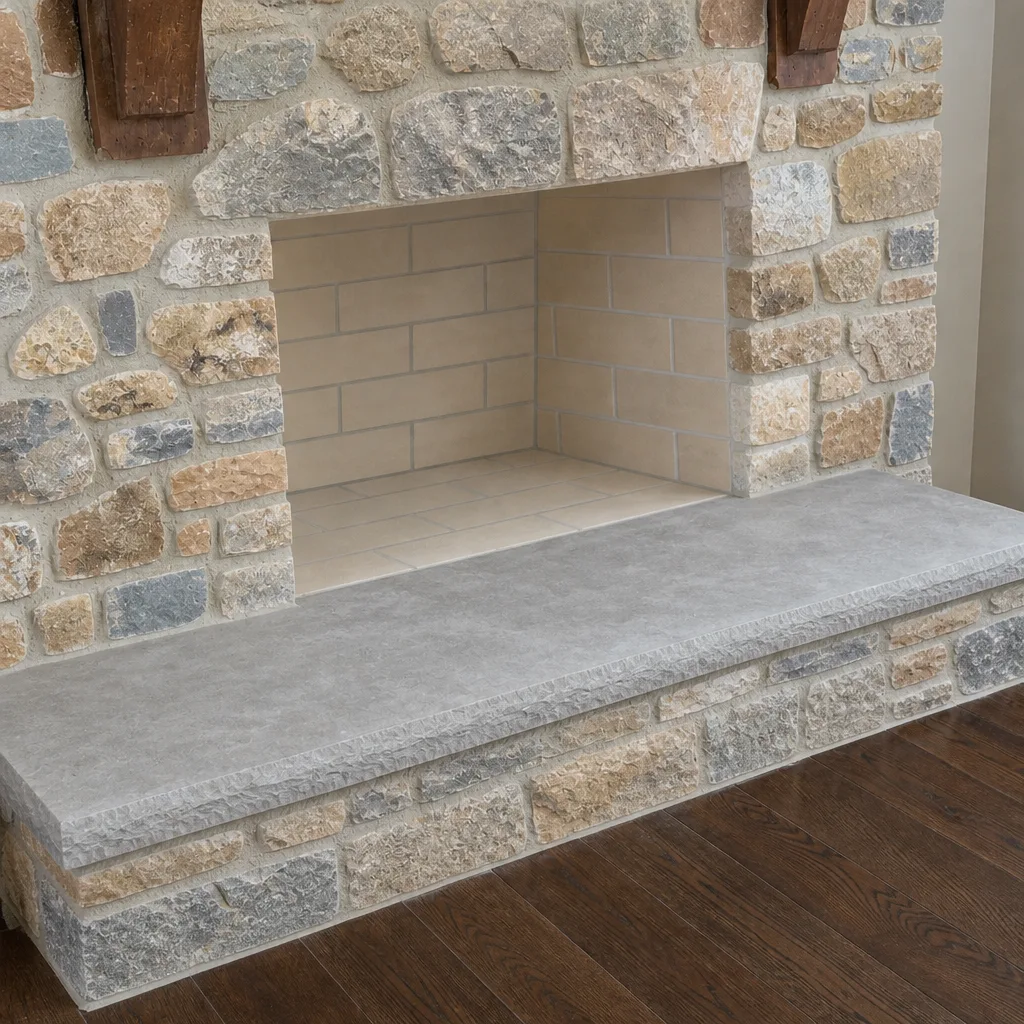 After
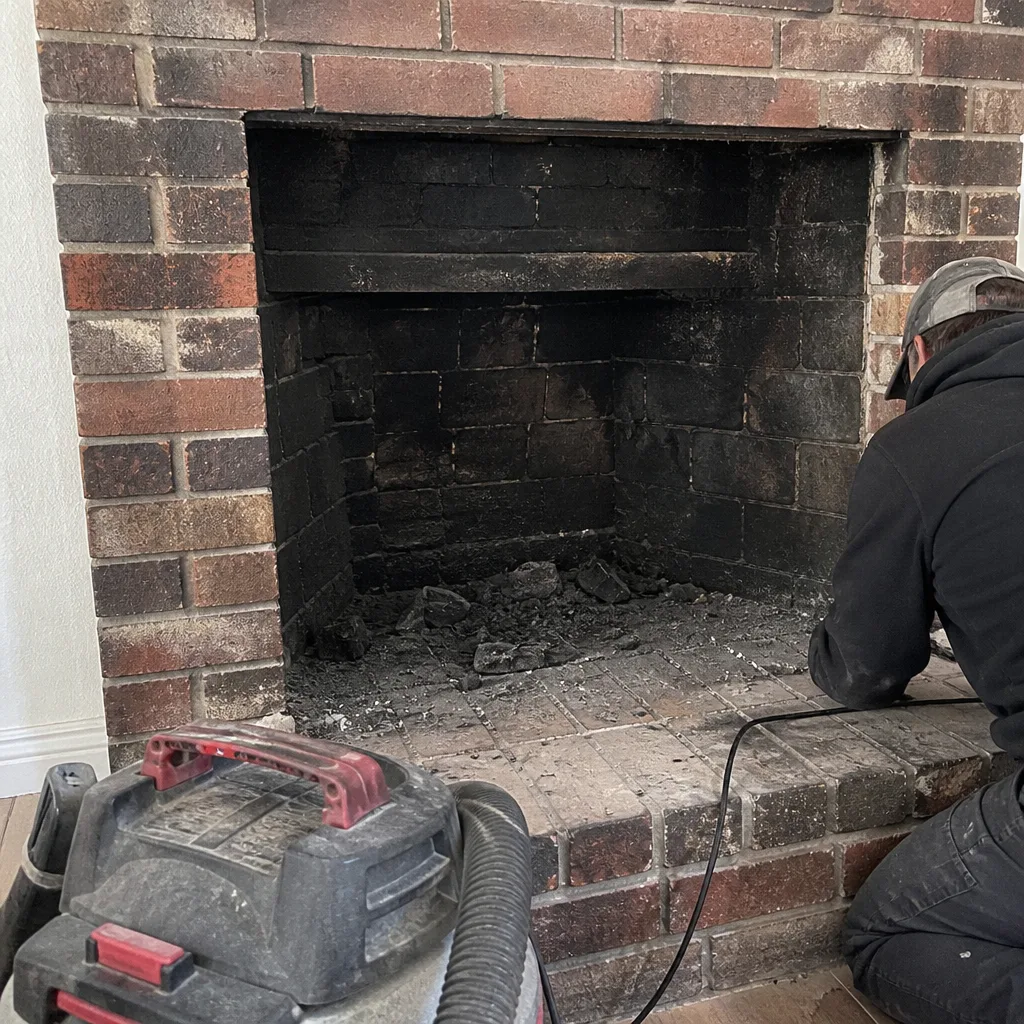 Before
 After
 Before
 After
When to Call a Professional
Call a professional chimney sweep in South Jordan for anything that involves the inside of the flue, the roof, or the firebox beyond a flashlight check. That includes the annual cleaning and inspection, any time you remodel or convert a fireplace, any change in how your fireplace draws, and any visible or suspected obstruction. It also covers the repairs that follow: a cracked liner, a failed cap, a damaged crown, or a firebox that needs attention. Those repairs sit with a chimney repair specialist who can diagnose and fix in the same relationship, rather than handing you off to a separate contractor.
South Jordan Chimney Sweep offers free estimates in South Jordan. Call (866) 937-8549. We answer 24/7. Fast dispatch from 7am to 7pm, Sunday through Friday.
Frequently Asked Questions
A routine chimney cleaning in South Jordan typically runs a few hundred dollars, and the price is set per job by the written estimate before any work begins. The exact figure depends on the flue, the liner material, the creosote level, and whether a camera inspection is included. Call (866) 937-8549 for an exact quote. Estimates are free.
A wood-burning chimney in South Jordan should be inspected every year and cleaned when creosote has built up to a level that warrants it, which for regular winter use usually means annually. Gas fireplaces need an annual inspection too, mainly for flue obstruction and cap condition. Call (866) 937-8549 to schedule a visit and find out whether your chimney needs cleaning this year.
Yes. Gas fireplace flues don’t produce creosote, but they collect nesting material, dust, and debris, and in South Jordan’s newer construction neighborhoods bird nesting in the flue is a common cause of blockage. An annual inspection and cleaning keeps the exhaust path clear. Call (866) 937-8549 to book an inspection.
A Level 1 inspection is the routine visual check you get with an annual sweep. A Level 2 inspection is more thorough, includes a camera look at the flue interior, and is called for after a remodel, a fuel change, a chimney fire, or a property transfer. A Level 3 inspection involves opening concealed parts of the structure and is only done when a serious problem is already suspected. Call (866) 937-8549 if you’re not sure which level you need.
You can safely check the cap from the ground, shine a flashlight up the flue when the fireplace is cold, and test the damper. You shouldn’t climb onto the roof or run a brush down an unknown flue, because a steep roof or a stiff brush on clay tile can cause real damage. Call (866) 937-8549 to have it done safely.
Skipped cleaning lets creosote build up, and creosote is the fuel a chimney fire burns. The most serious outcome is a chimney fire that damages the liner and the chimney structure; the milder outcome is a flue that doesn’t draw well and produces more smoke in the living space. Either way, the fix is far more expensive than the cleaning you skipped. Call (866) 937-8549 to schedule a cleaning before the next burn season.
The Bottom Line
Chimney cleaning in South Jordan is a diagnostic process. It starts with the flue liner, because the liner material decides how the chimney can safely be swept and what repairs are possible if something has failed. Utah’s inversion season raises the creosote load on a working chimney, so annual inspection matters here, and end-of-season cleaning keeps the flue clear through summer. Gas fireplaces need attention too, for obstruction rather than creosote. And the visit should end with a written condition report, with camera evidence you can see, that tells you what’s urgent and what can wait.
If you want a specialist who can clean, inspect, and repair in the same relationship, with professional-grade materials from brands the trade trusts, call (866) 937-8549 for a free estimate. We answer 24/7. Fast dispatch from 7am to 7pm, Sunday through Friday.
Our five core services cover the life of your chimney: cleaning, inspection, fireplace repair, chimney repair, and cap and crown installation. Start at South Jordan Chimney Sweep if you’d like to see how they fit together, or call and we’ll help you figure out which service your chimney actually needs.
Written by the team at South Jordan Chimney Sweep.