
Last updated November 24, 2026
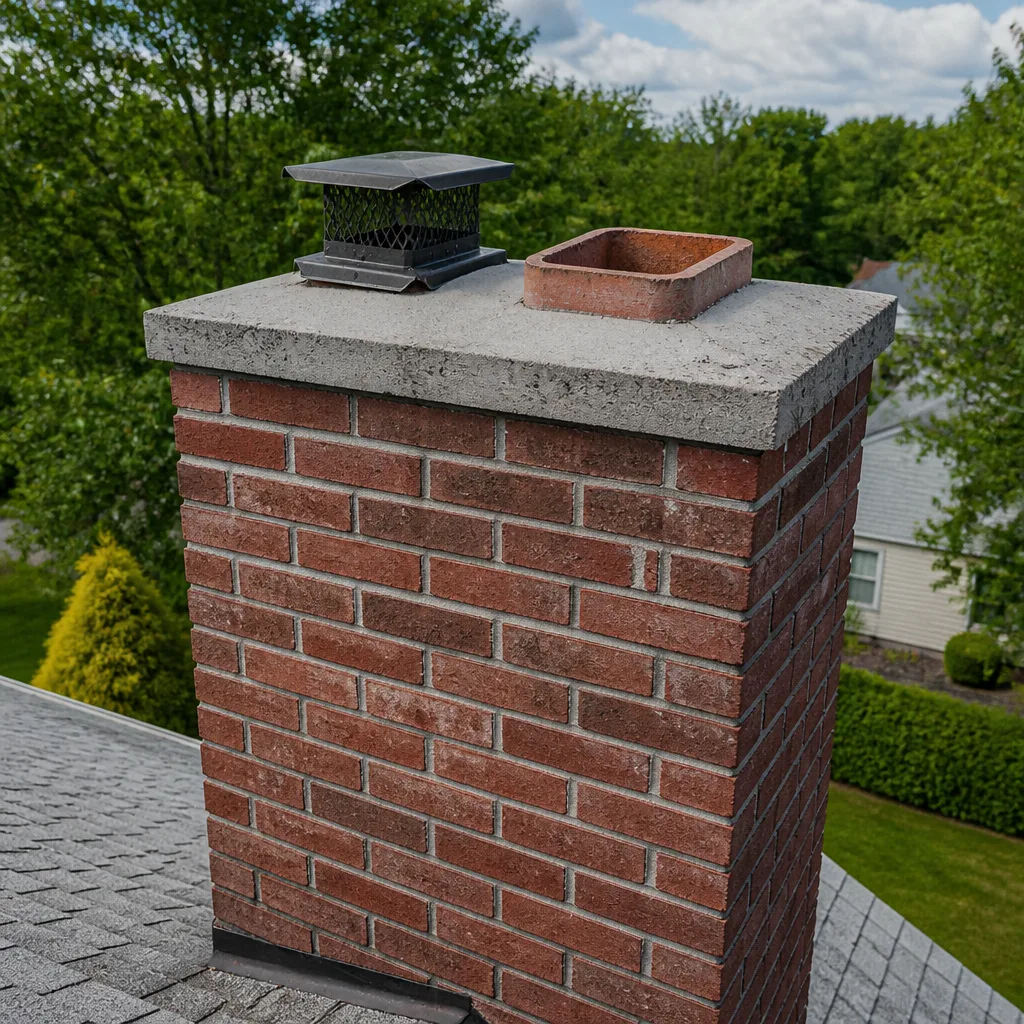 Sweep & inspection
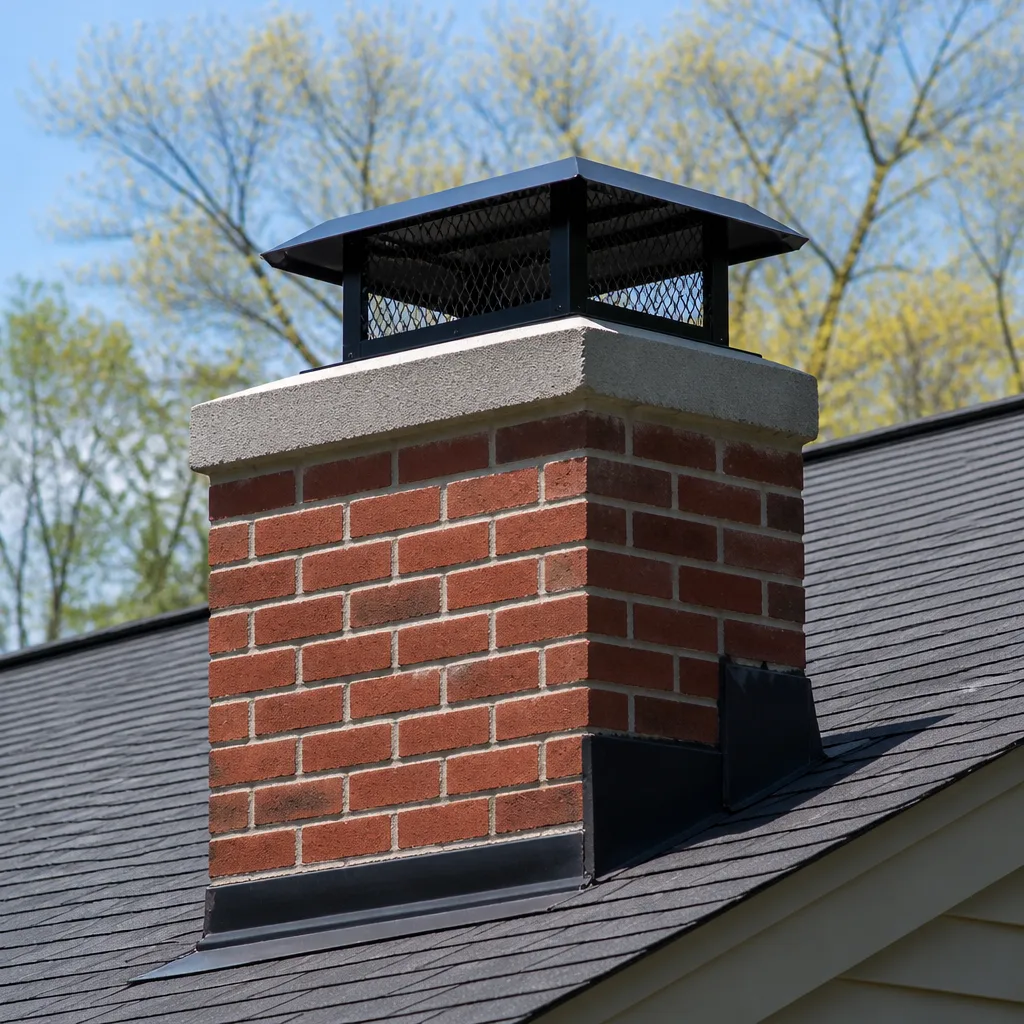 Caps & crowns
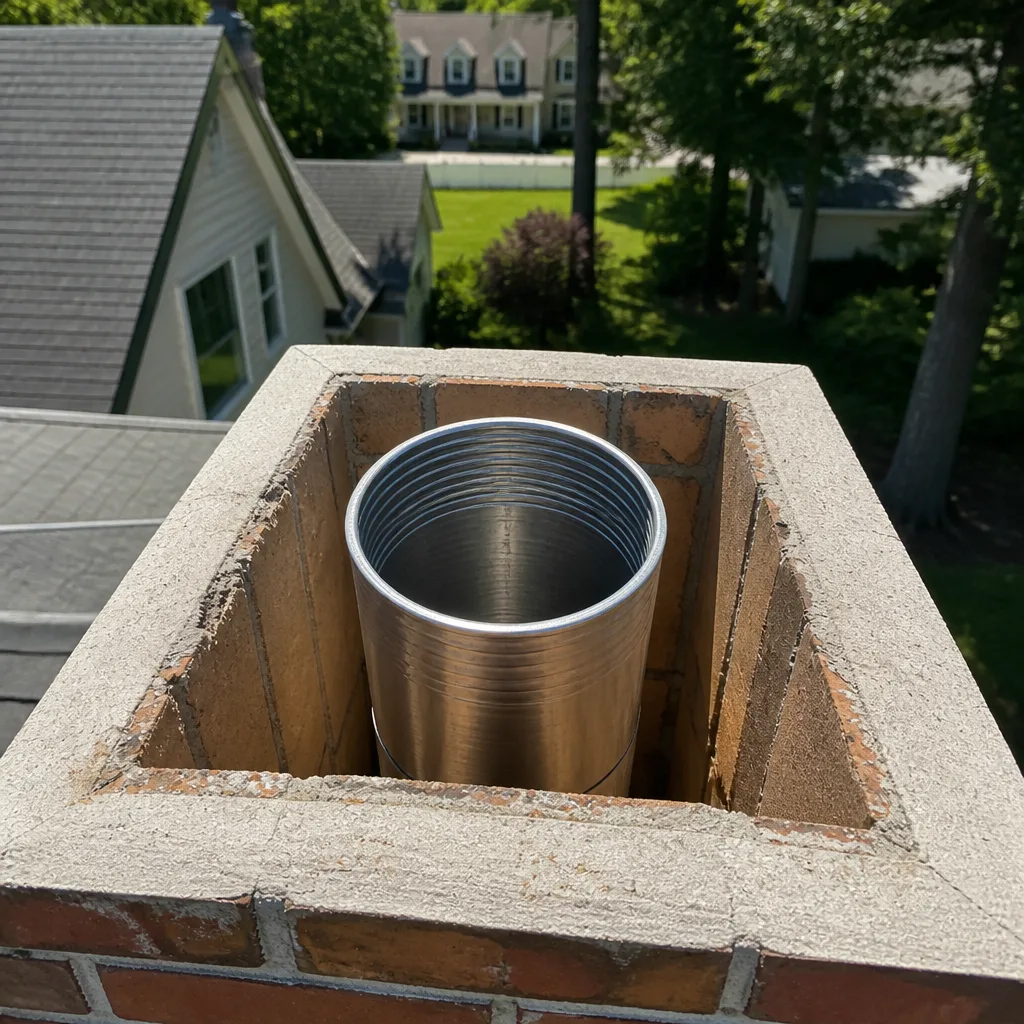 Flue relining
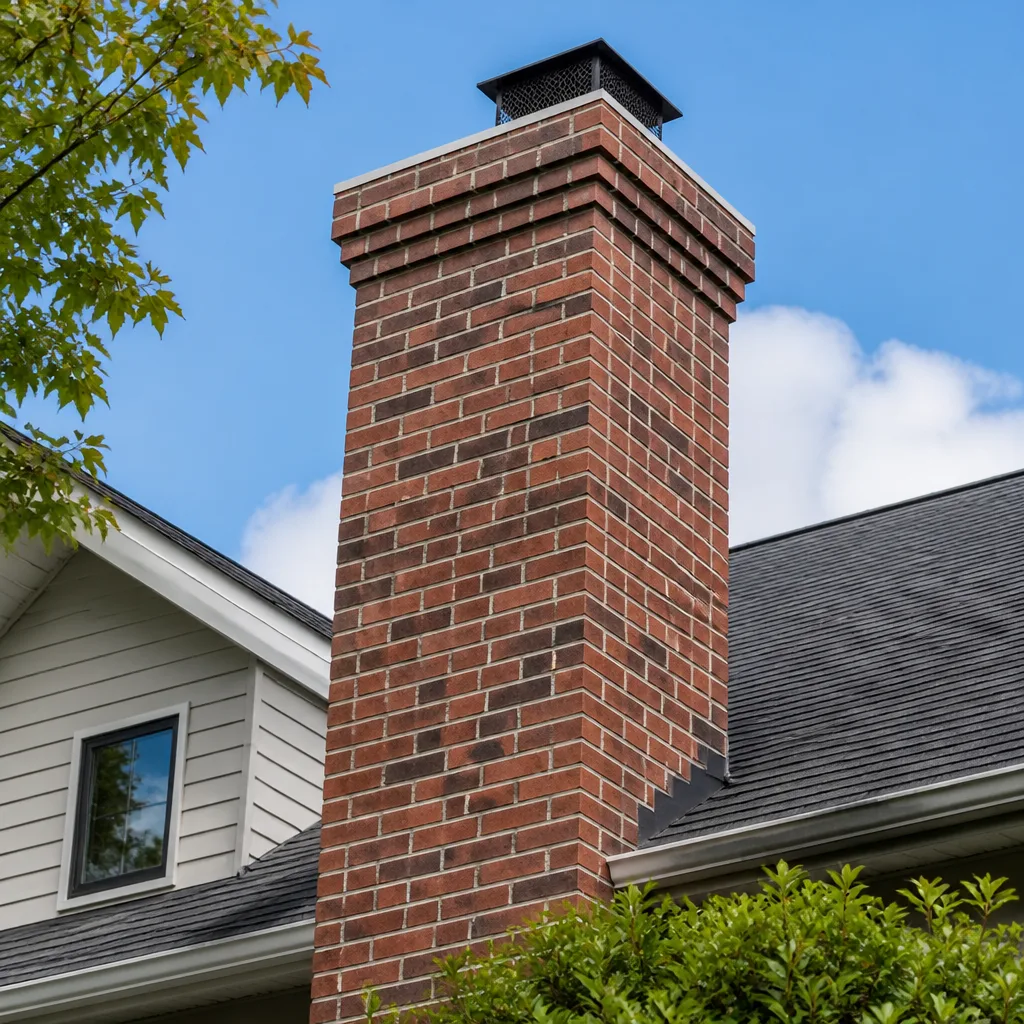 Masonry repair
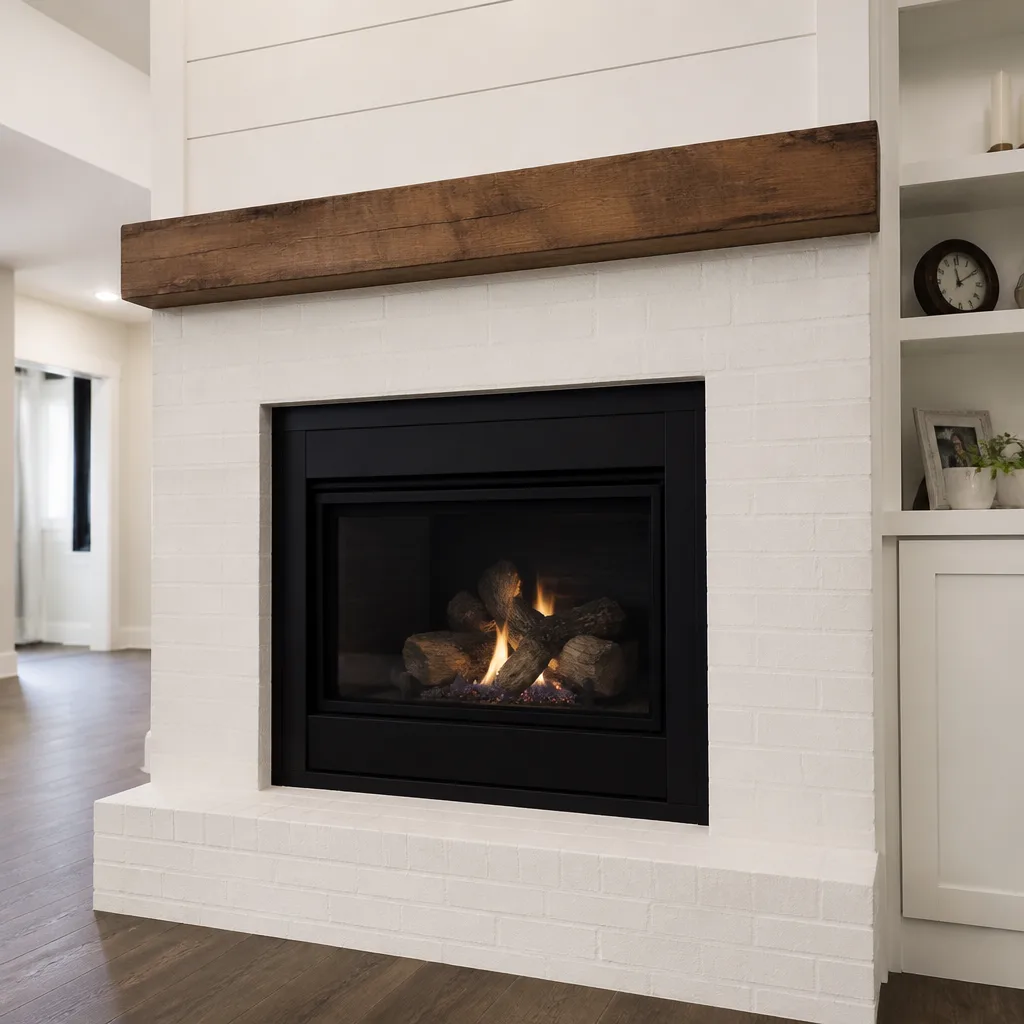 Gas fireplace service
Level 1 sweep and inspection to the NFPA 211 annual standard - flue, crown, cap, and flashing checked and photographed
Chimney sweep logs do not sweep chimneys. They loosen some creosote - which then falls where a brush and vacuum still have to collect it.
Chimney Cleaning Warning Signs: A South Jordan Homeowner’s Reference Guide
A white stain on your chimney’s exterior brick isn’t weathering. It’s efflorescence, and it’s proof that water is moving through your masonry from the inside out right now. Most chimney problems don’t announce themselves with a dramatic event. They whisper: a draft that feels a little off, a smell that shows up in July when there’s no fire, a soot pattern that changed shape since last winter. This guide trains you to read those ordinary observations as diagnostic data points. By the end, you’ll know what your chimney is actually telling you, which signs mean schedule a cleaning, and which three mean stop using the fireplace today.
Quick Answer
Chimney cleaning warning signs in South Jordan usually fall into seven categories: efflorescence and spalling on exterior masonry, cracked or glazed creosote inside the flue, smoke that rolls back into the room, a smoky smell even when no fire is burning, a damper that feels stiff or doesn’t seal, soot streaks on the firebox face, and staining on ceilings or walls near the chase. Any one of them is worth a professional inspection. Shiny, glazed creosote, a strong fuel smell with no fire, or smoke entering living space mean stop using the fireplace and call immediately.
Styles & brands we work with
- Sweep & inspection
- Caps & crowns
- Flue relining
- Masonry repair
- Gas fireplace service
Table of Contents
- Why chimney warning signs are easy to miss in South Jordan
- Exterior masonry signs: efflorescence and spalling brick
- Interior signs: what the firebox and flue are showing you
- Smoke behavior: backdraft, rollback, and poor draft
- Odor profile: the summer smell that matters more than winter smoke
- Damper feel: the diagnostic you can check with one hand
- How to tell third-degree creosote from first-degree with a flashlight
- Three signs that mean stop now versus signs you can schedule
Why Chimney Warning Signs Are Easy to Miss in South Jordan
South Jordan sits in the Salt Lake Valley, where winter air inversions trap cold, dense air against the valley floor and warm air sits above it. That temperature structure changes how a chimney drafts. On an inversion day, the flue is working against a heavier atmosphere than it would in open country, and a chimney that’s marginally restricted will show it: lazier draft, more smoke spill, a fire that struggles to catch. Those are early warning signs disguised as “the fire is being stubborn today.”
The valley’s other climate factor is the freeze-thaw cycle. South Jordan masonry takes on moisture during wet spring storms, then the temperature drops below freezing overnight and that moisture expands inside the brick. Repeat that a few hundred times over a decade and you get the kind of deterioration that starts invisible and ends visible. We’ve seen this pattern repeatedly in neighborhoods across South Jordan, from Daybreak to the established streets near the Jordan River. The chimney doesn’t fail all at once. It fails by degrees, and each degree leaves a sign.
There’s a third reason signs get missed: the fireplace is seasonal. From roughly April through October, most South Jordan homeowners walk past the hearth without looking at it. That’s exactly when the summer smell shows up and gets attributed to “the house being closed up.” It’s also when efflorescence advances on exterior brick, because spring rain and summer sun are doing their work. The off-season is when a lot of the diagnostic information shows up. If you only look in December, you’ve missed half the story.
One more South Jordan specific: many homes here have prefabricated fireplaces with metal flues rather than traditional masonry chimneys. The warning signs on a metal system are different from the ones on brick. Insulation that has settled inside the chase, a cap that’s rattled loose in a windstorm, a liner joint that’s separated, these don’t show up as efflorescence. They show up as draft problems and as noise. If you’re not sure which system you have, that’s the first question worth answering.
Exterior Masonry Signs: Efflorescence and Spalling Brick
Efflorescence is the white, chalky mineral deposit that appears on brick and mortar. It’s not cosmetic. It’s evidence that water entered the masonry, dissolved salts from the brick or mortar, and then evaporated out through the surface, leaving the salts behind. In South Jordan, where masonry dries fast in summer and freezes in winter, efflorescence is often the first visible sign that the crown, the cap, or the flashing is letting water in somewhere above.
Walk to the base of your chimney and look up. What you want to find:
- White or gray powder at the mortar joints or across brick faces: active moisture movement. Look for the source above.
- Flaking or peeling brick faces (spalling): the brick’s outer layer is separating. This means freeze-thaw damage has already happened, not that it’s coming.
- Crumbling mortar joints that recede from the brick face: the mortar has lost binder and the chimney’s structural integrity is degrading.
- A rust stain running down the exterior: usually a sign of a corroded chase cover or cap fastener.
- White staining concentrated above the roofline: almost always a crown or flashing problem, not a brick problem.
Spalling brick above the roofline is the sign that most changes the recommendation. When brick spalls at the top of the chimney, the crown is usually the culprit. A crown that has cracked or lost its slope lets water pool on top of the masonry, and that water works its way down through the brick in cycles. The repair isn’t just cosmetic pointing of the brick, it’s restoring the crown so water sheds. Chasing spalled brick without fixing the source of the water is what turns a repairable chimney into a rebuild. If the diagnosis and repair live with two different contractors, the water source often wins.
Stepping back for a wider view, our chimney repair work here frequently starts with masonry that passes a visual inspection from the ground but fails when we look at the crown from the roof. If you’ve noticed white staining on your chimney exterior, that’s your cue to have someone look from above, not below.
Interior Signs: What the Firebox and Flue Are Showing You
Pull the screen or open the doors and look at the firebox with a flashlight. What you see on the brick and on the smoke shelf is diagnostic. Soot patterns change shape over time, and a change is itself a data point.
Here’s what to look for inside:
- Soot streaking above the damper that wasn’t there before: the flue is restricted and smoke is finding a path it didn’t used to take.
- Glazed, shiny, tar-like coating on the flue walls: this is third-degree creosote, and it’s the single most important warning sign in this guide.
- Flaky, gray, ash-like buildup: first-degree creosote, which is normal between cleanings.
- Deteriorated firebox brick with gaps in the mortar joints: heat has cycled the firebox enough to open up those joints.
- White, powdery deposits on the firebox brick, different from the exterior efflorescence: water is getting in from above and migrating down the flue interior.
- Cracks in the flue tile: visible with a flashlight aimed up the flue, usually seen near the top. These should not be used until assessed.
The creosote distinction matters more than any other interior sign. First-degree creosote is swept off with a standard brush. Third-degree creosote is a hard, glazed, heat-fused layer that a brush won’t touch, and it’s the fuel source in the majority of chimney fires because it sits directly against the flue and builds up heat. If you see a shiny, tar-like texture on your flue walls, you don’t need a cleaning, you need a proper evaluation of the flue’s condition. Our chimney sweep includes a camera inspection of the flue so you can see what’s there yourself, and we don’t recommend anything you can’t see on the screen.
Firebox repair and flue restoration belong to the fireplace repair side of our work, and it’s where the ceramic repair technology from HeatShield gets used. HeatShield is a professional-grade flue restoration material designed specifically for chimney technicians, and it’s the reason a crack in the flue doesn’t automatically mean full liner replacement. It’s also not a product a general handyman can get, which is worth knowing when someone quotes you flue repair.
Smoke Behavior: Backdraft, Rollback, and Poor Draft
Smoke should go up the flue and stay there. If it comes back into the room, even a puff when you first light the fire, you’re watching a chimney tell you something is wrong with draft. In South Jordan, where winter inversions make the atmospheric pressure heavier, marginal draft is more common than it would be in flatter country. But “it’s the inversion” is an explanation, not a diagnosis. Persistent rollback usually points to one of four things: a flue that’s obstructed, a flue that’s the wrong size for the firebox opening, a chimney that’s too short for the house’s roof pitch, or a cap that’s clogged.
Work through these observations to narrow it down:
- Does smoke roll back only when you open the doors? That’s usually a sizing or air supply problem, not a blockage.
- Does it roll back every time, cold start or warm fire? That’s more often obstruction or a damaged flue.
- Does it happen only on windy days? The cap or the chimney’s exposure above the roofline is suspect.
- Did the smell and the smoke behavior change together? A smoky smell in the house during a fire usually reinforces that draft is compromised.
- Has it gotten progressively worse over two or three seasons? Creosote build-up or a deglazing flue surface is a likely contributor.
None of these answers is a diagnosis on its own, but they’re what a technician will ask about first. Bring the answers to the appointment and the inspection goes faster. Our full-system inspection capability means that if the draft problem traces to a cap or a flue defect, we’re equipped to address it in the same relationship rather than referring you out mid-job.
Odor Profile: The Summer Smell That Matters More Than Winter Smoke
This is the section most homeowners haven’t heard before, and it’s the one most likely to catch a real problem early. A smoky smell during a fire is expected, and it usually means draft is poor. A smoky smell with no fire, in July, in a closed-up house, is a different and stronger warning sign. It means the flue is not venting the way it should. Creosote deposits inside the flue are always off-gassing, and in an adequately drafting chimney, that off-gassing goes up and out. When you can smell the chimney inside the house with the fireplace off, draft has failed to carry the gases out of the structure.
That smell can signal:
- Creosote accumulation heavy enough that the off-gassing has overwhelmed normal draft.
- A blocked or damaged flue that isn’t moving air, whether from debris, a bird nest, or a collapsed liner section.
- A cap that’s sealed off the top, either clogged or installed wrong.
- Water intrusion, which mixes with creosote and produces an earthy, musty smell that reads as “old smoke.”
Odor has a second diagnostic use: what it smells like. Fresh creosote smells like wood smoke. Older creosote smells sour or musty. The musty version is often the smell of water intrusion, which brings this symptom back into the masonry section. The two are frequently connected, because the same failed crown that lets rain in also changes the moisture balance inside the flue. Sniff the fireplace in August. If you can smell it, something is off.
Safety note: a chimney smell can also indicate carbon monoxide is finding a path back into the home instead of up and out. If you smell exhaust and you have any concern about carbon monoxide, leave the home and call 911 before calling anyone else. It’s not a service call, it’s an emergency call.
Damper Feel: The Diagnostic You Can Check With One Hand
The damper is the plate that opens and closes the flue. It’s the least glamorous component in the chimney and one of the most informative. Walk to the fireplace and operate the damper. It should move easily and, when closed, seal with a soft metallic ring. Anything else is a data point.
- Stiff, scraping, or squealing: the damper track or hinge has rusted from moisture. Rust in the damper is a sign of flue humidity, which points to a cap or crown problem above.
- Won’t close fully: the plate is warped from heat, or the frame has shifted. That means the fireplace leaks air (wasting heat in winter) and can’t be sealed off against summer humidity.
- Won’t open fully: something is obstructing the flue. Do not light a fire until a professional has inspected.
- Closes but the fireplace still smells: the seal is imperfect, or the smell is coming from above rather than through the damper.
- Falls closed, or rattles when open: the damper seat or hinge is worn, and it’s a straightforward repair.
Heat and moisture are the two enemies of a damper. In South Jordan, both are active: heat from the fire alternating with months of dry air, plus whatever humidity comes in through a leaky cap. A damper that’s rusted shut is a hint that your cap is doing a poor job keeping weather out. When we install a cap, it’s fitted with manufacturer-spec components from brands like Gelco and Famco, not generic hardware, because a poorly fitted cap does the opposite of what it should.
How to Tell Third-Degree Creosote From First-Degree With a Flashlight
Creosote forms in three recognizable stages, and telling them apart with a flashlight is one of the most useful skills a homeowner can learn. You don’t need to climb anything. Aim the flashlight up the flue from just above the damper, and look at the first two or three feet of the flue wall and the smoke shelf behind the damper.
- First-degree creosote looks like a light gray, flaky powder or a thin soot film. It brushes off easily. That’s normal between cleanings.
- Second-degree creosote looks like dark, crispy, curled flakes, sometimes with a slight tar texture. It has to be scraped, not brushed. Second-degree creosote is a signal that it’s time to clean.
- Third-degree creosote looks like shiny, puddled, hard-glazed tar, sometimes with a black glassy surface. It’s fused to the flue and a brush won’t touch it. This is where a routine cleaning isn’t the answer. You need a professional evaluation of the flue and, often, a restoration treatment.
Why the distinction changes the service: a standard sweep brushes first-degree buildup away, which is exactly what it’s for. Third-degree creosote has bonded to the flue liner, and brushing it may sound like progress while leaving behind a hard, flammable layer that’s still in contact with the liner. The repair path starts with removing the glazed layer, then assessing the flue for heat damage, then applying a ceramic restoration product. That’s where South Jordan Chimney Sweep brings in HeatShield: a ceramic flue restoration system made for this specific problem, and not available to a general handyman. If you inspect with a flashlight and see glazing, don’t burn another fire until a technician has looked at it.
Three Signs That Mean Stop Now vs. Signs You Can Schedule
Most warning signs don’t mean your house is in immediate danger. They mean the chimney needs a professional eye. Three signs cross the line from “schedule a visit” to “stop using the fireplace today”:
- Glazed or shiny creosote inside the flue. That’s third-degree creosote, and it’s the fuel layer that catches during a chimney fire. Stop burning, book a professional inspection.
- Smoke entering living space from any opening in the fireplace system. Smoke carries carbon monoxide. If smoke is coming into the room, so is CO. Stop burning, open a window, and call.
- Cracked flue tile or visible liner damage. A damaged flue no longer contains the gases and creosote from the firebox. It’s not safe to use until assessed.
The signs that let you schedule a routine visit rather than stop:
- Efflorescence on the exterior, with no interior symptoms yet.
- A damper that feels stiff but still operates.
- A smoky smell in summer with no fire (stop burning, but not a same-day emergency).
- Occasional smoke rollback on cold starts, when it clears quickly.
- First- or second-degree creosote, visible on the flue wall.
- Minor soot streaks above the firebox.
If you’re not sure which list your sign falls under, call. We answer 24/7 and we’ll tell you whether it’s a call-now or a schedule-later situation. Nothing more than that. Safety decisions are made on visible evidence, not on reassurance.
Common Mistakes to Avoid
- Treating efflorescence as paint. Painting over white masonry staining hides the one visible signal that water is moving through the chimney. It doesn’t stop the water, and it delays the repair that actually matters.
- Assuming a summer smell is “just the closed house.” In South Jordan’s dry summers, a smoky smell in July with no fire is usually draft failure, not stale air. Ventilating the room hides the symptom without addressing the cause.
- Cleaning off first-degree creosote but not addressing third-degree. A brush takes off the easy stuff. Glazed creosote survives and stays in contact with the liner. Brushing it is not fixing it.
- Skipping the cap because “the bees found something else.” A cap is what keeps rain, snow, and animals out, and it’s what keeps a chimney from taking on water in a freeze-thaw climate. Fitted by manufacturer spec matters here, and that’s why we install from Gelco and Famco rather than a generic hardware-store cap.
- Having the fireplace swept and the flue inspected by two different companies. When the sweep and the inspection live in different hands, the fine cracks and thin glazing often fall through the gap. Full-system inspection in one visit prevents that.
- Assuming a prefab fireplace is maintenance-free. Metal prefab chimneys have a liner, a cap, and a flue, all of which can fail. They don’t effloresce, so the failure shows up as draft problems or noise, not white brick.
- Burning treated or green wood because the fire “looks fine.” It produces more creosote and more moisture per cord than well-seasoned wood, which is the fastest way to accelerate third-degree creosote in a flue that was already borderline.
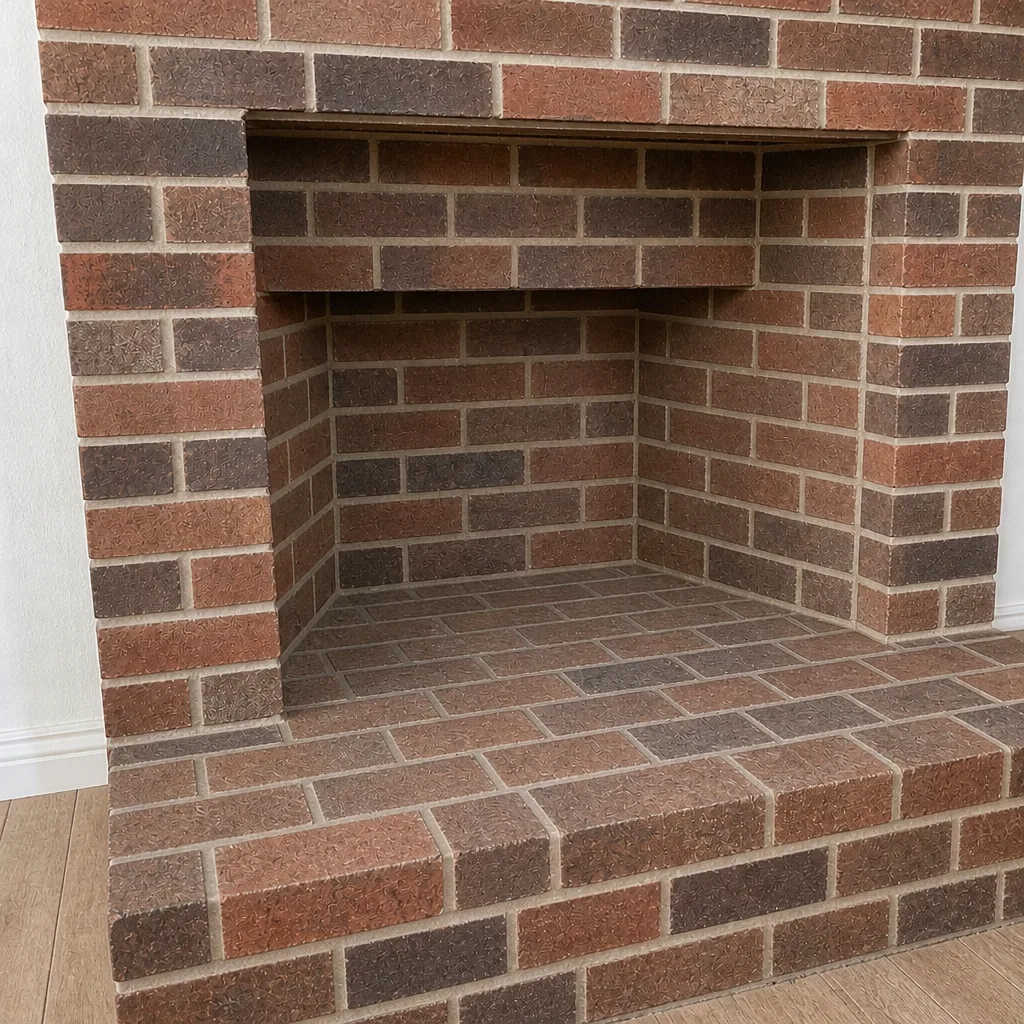
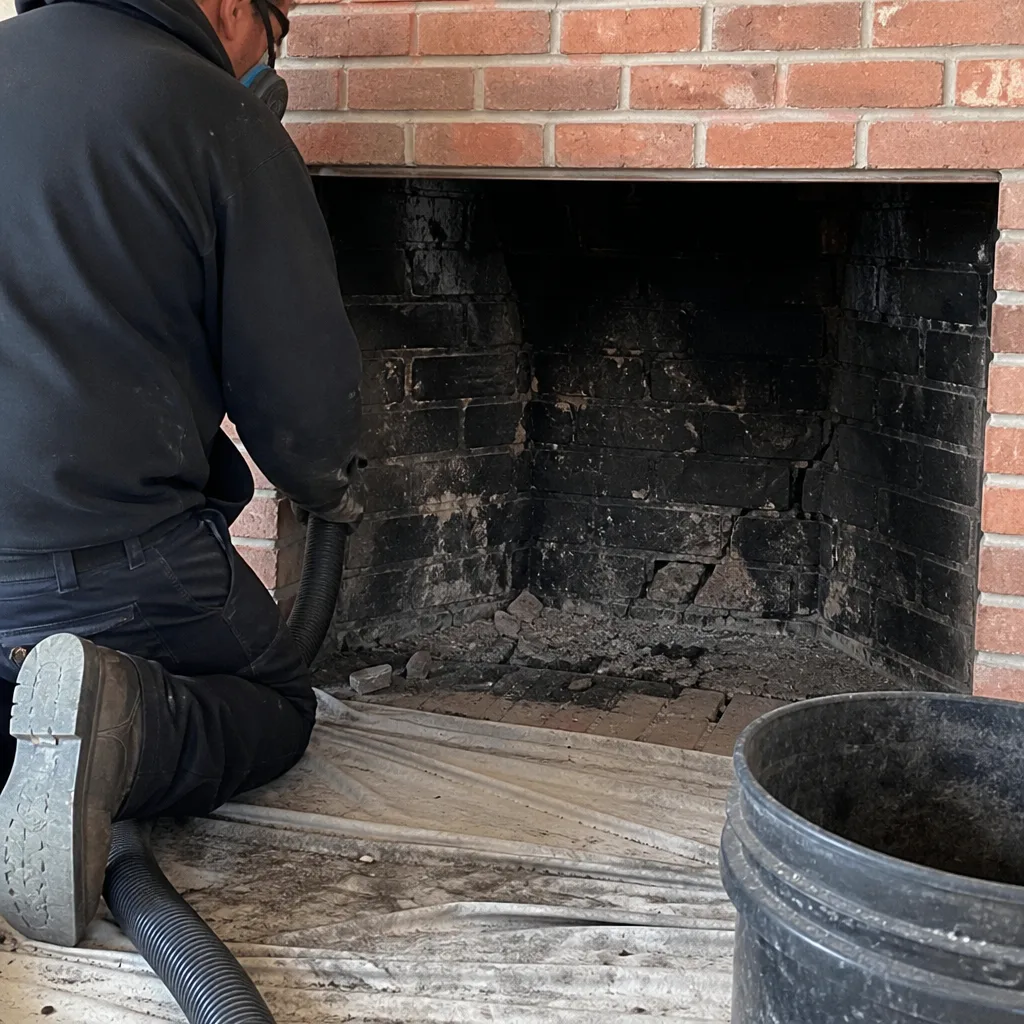
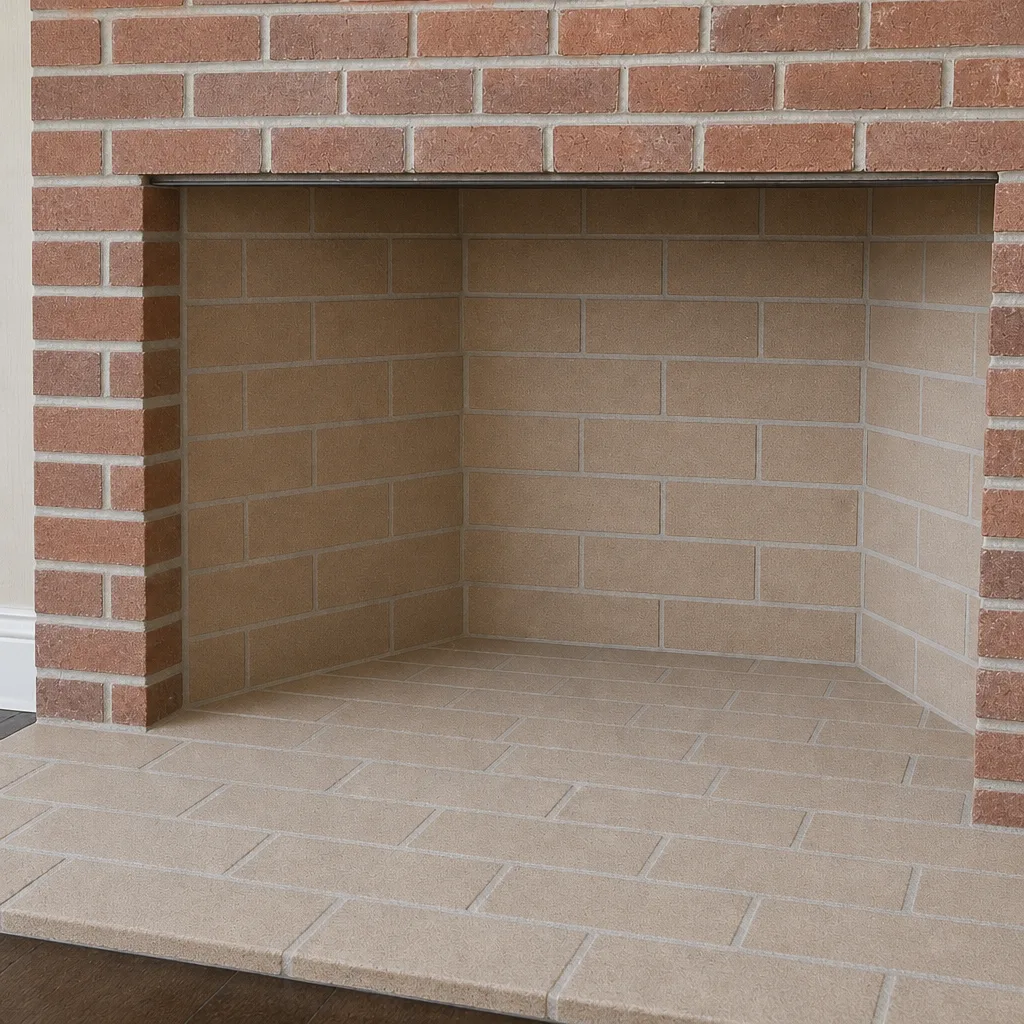
See the difference
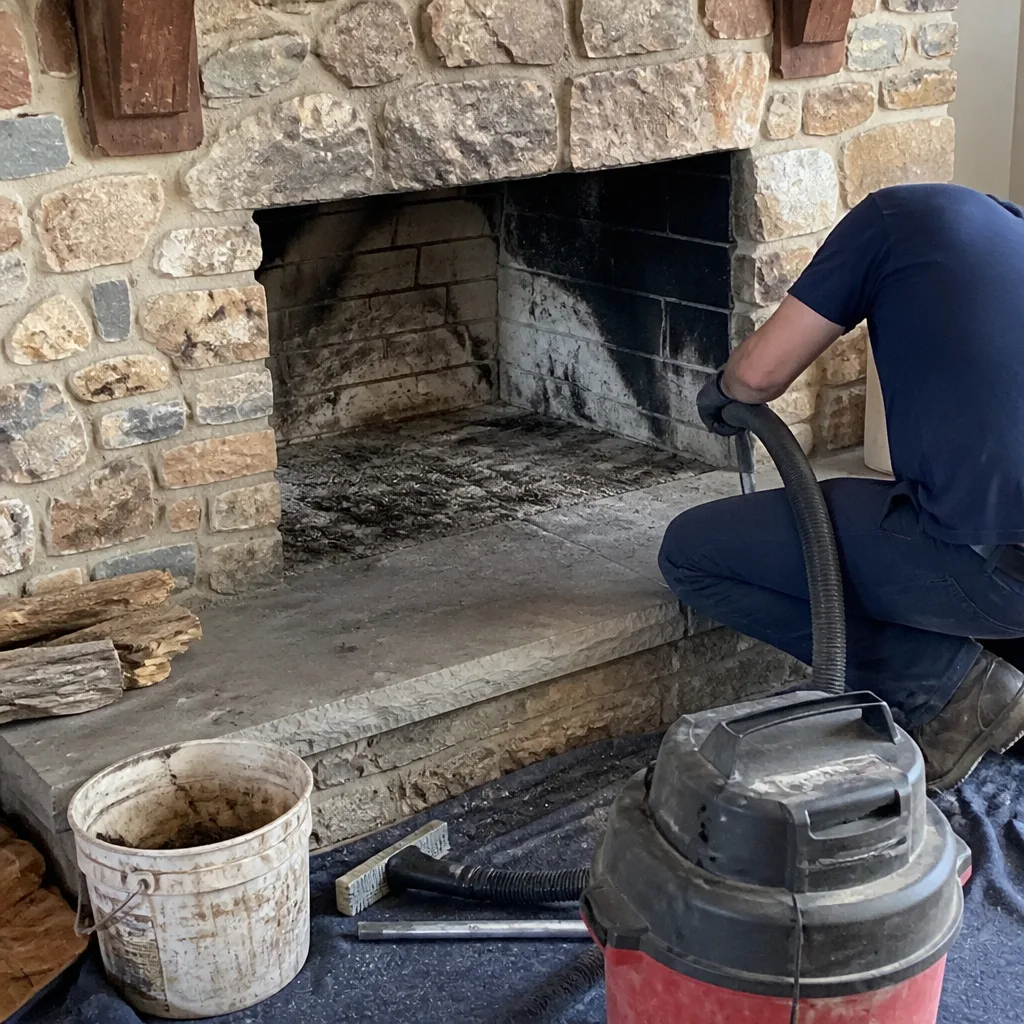 Before
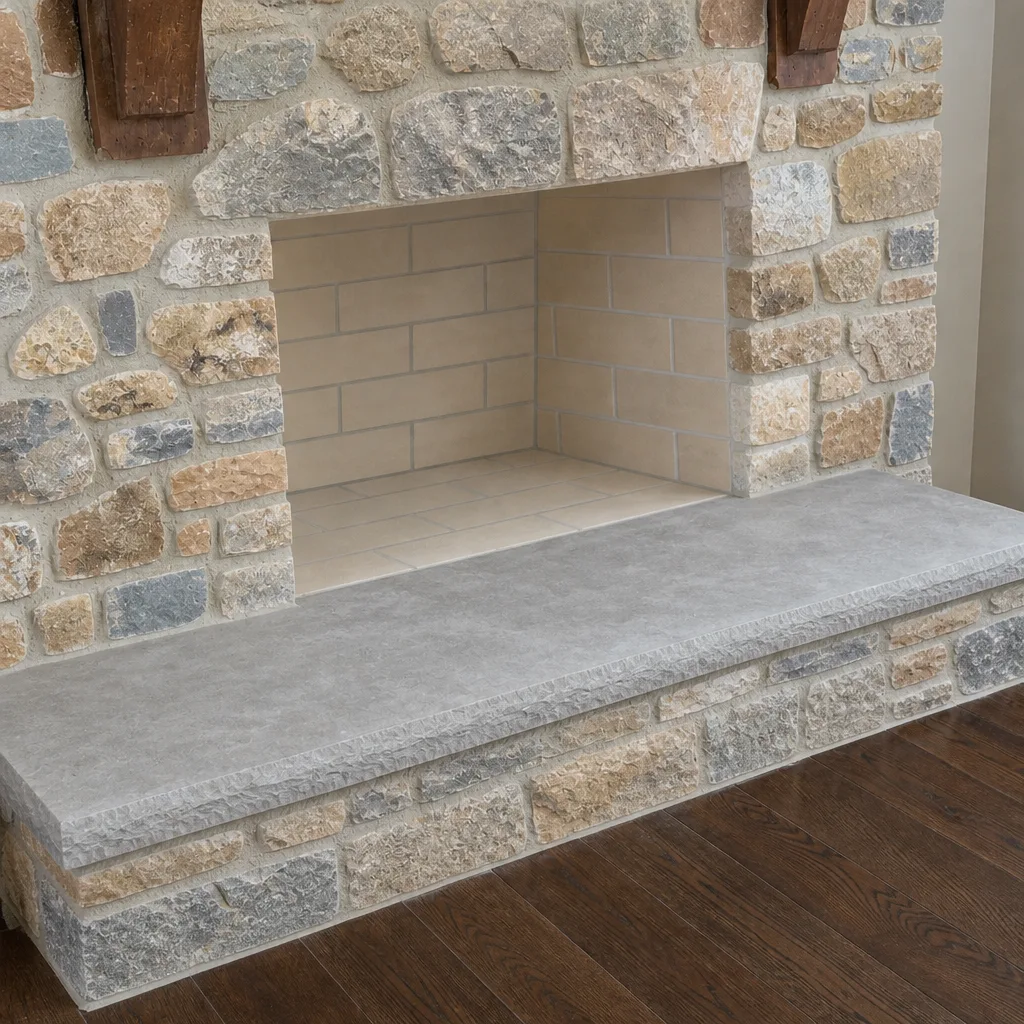 After
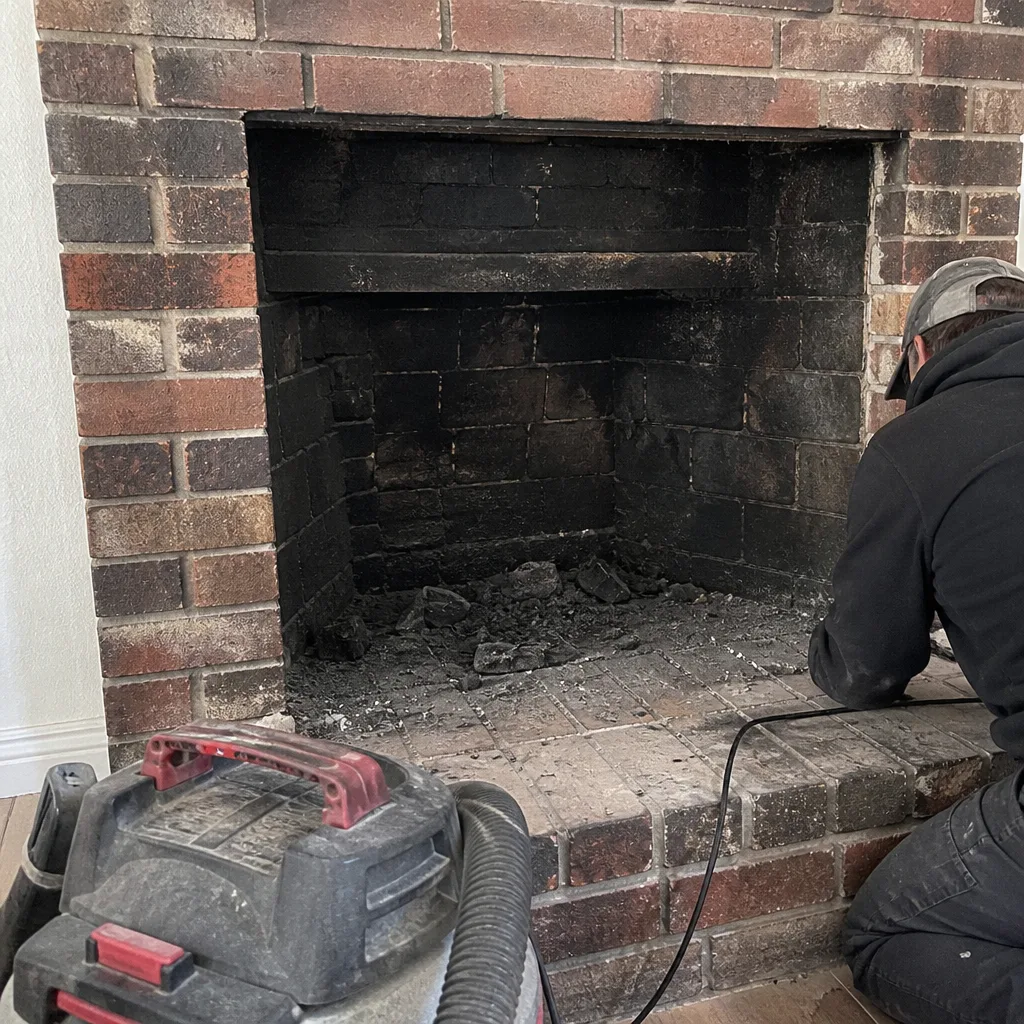 Before
 After
 Before
 After
When to Call a Professional
Call if you’ve seen any of the seven signs in this guide and you’re not sure which list they belong to. Call if your last professional sweep was more than a year ago and you burn regularly. Call if you’ve moved into a South Jordan home and don’t know when the fireplace was last inspected. Call if you’ve had a chimney fire, even a small one, and haven’t had the flue checked since. Call if smoke enters living space or you smell the chimney in summer. And call before burning, if you saw glazed, shiny creosote with your flashlight.
Our technicians have up to 11 years of experience, and we work with professional-grade materials from brands that supply certified chimney professionals: DuraFlex, HeatShield, Gelco, Olympia Chimney, Famco, and Copperfield. We offer five services, cleaning, inspection, fireplace repair, chimney repair, and cap and crown installation, which means the technician who finds a problem is equipped to fix it. South Jordan Chimney Sweep offers free estimates in South Jordan. Call (866) 937-8549. We answer 24/7, with fast dispatch from 7am to 7pm, Sunday through Friday.
Frequently Asked Questions
The most common warning signs we see in South Jordan are efflorescence on exterior brick, soot streaks above the firebox, a smoky smell in summer when no fire is burning, and a damper that has become stiff or won’t seal. Smoke rollback and flaky or glazed creosote on the flue walls round out the top signs. Any one of them is worth a professional inspection. Call (866) 937-8549 for an exact quote. Estimates are free.
Most chimneys should be swept once a year when the fireplace is used regularly, and inspected once a year regardless of use. In South Jordan’s dry, cold-winter climate, the inspection matters as much as the cleaning because it’s the only way to catch masonry water damage before it spreads. If you burn more than a cord of wood a season, the sweep should happen at the end of the burn season. Call (866) 937-8549 to book an inspection and cleaning together. Estimates are free.
A cleaning is enough when the flue is sound and the buildup is first- or second-degree creosote. A new liner is only needed when the existing flue is cracked, separated, or hasn’t held up to heat damage, and we don’t recommend one you can’t verify. Our inspection includes a camera look at the flue so you see what we see. If a ceramic restoration with HeatShield can save the existing flue, we’d rather do that. Call (866) 937-8549 to have the flue assessed. Estimates are free.
A summer chimney smell means the flue isn’t drafting the off-gassing from creosote out of the house. That’s a draft failure, not a stale-air problem, and it usually points to heavy creosote, a blocked or damaged flue, or a cap that’s sealed off. Schedule an inspection before the next burn season. Call (866) 937-8549 and we’ll look at the flue. Estimates are free.
Shine a flashlight up the flue from just above the damper and look at the flue wall. Third-degree creosote is shiny, hard, glazed, and tar-like, and it’s fused to the liner rather than sitting on it. First-degree is flaky gray powder. If you see glazing, stop using the fireplace until a technician inspects. Call (866) 937-8549. Estimates are free.
Skipping a cleaning lets creosote continue to build until it reaches third-degree, glazed stage, which is the fuel layer that catches in a chimney fire. It also lets water intrusion from a failed cap or crown go undetected through freeze-thaw cycles, which is what turns a repairable chimney into a rebuild. Neither is something you want to find out at the wrong moment. Call (866) 937-8549 to schedule a sweep. Estimates are free.
The Bottom Line
Your chimney is talking to you all year, not just in December. Efflorescence means water is moving through the masonry. A summer smell means draft has failed. Glazed creosote on the flue wall means the flue needs evaluation, not a brush. A stiff damper is a hint that the cap is failing above. Read those signs as diagnostic data, not as a checklist of things to worry about, and you’ll catch problems in the repairable stage rather than the rebuild stage. Three signs cross the line to stop-using: glazed creosote, smoke entering living space, and a cracked flue liner. Everything else is a call to schedule.
South Jordan Chimney Sweep handles the full life cycle of a chimney, cleaning, inspection, fireplace repair, chimney repair, and cap and crown installation, using professional-grade materials from DuraFlex, HeatShield, Gelco, Olympia Chimney, Famco, and Copperfield. Found during inspection, fixed in the same call. Safety you can see in writing, with a camera inspection and photo report included. Nothing is recommended that you can’t verify, and we’ll tell you plainly when work can safely wait. For a free estimate, call (866) 937-8549. We answer 24/7, with fast dispatch from 7am to 7pm, Sunday through Friday.
Written by the team at South Jordan Chimney Sweep.