
Last updated November 24, 2026
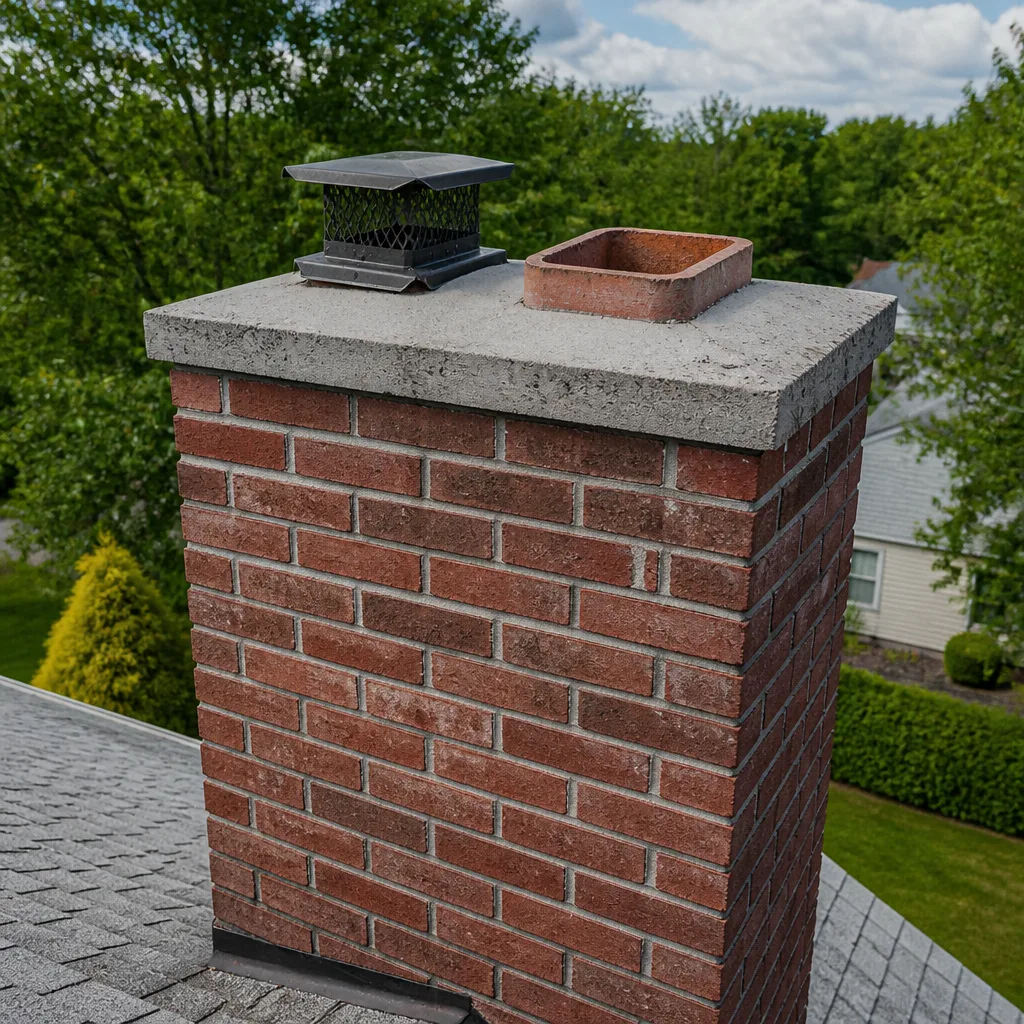 Sweep & inspection
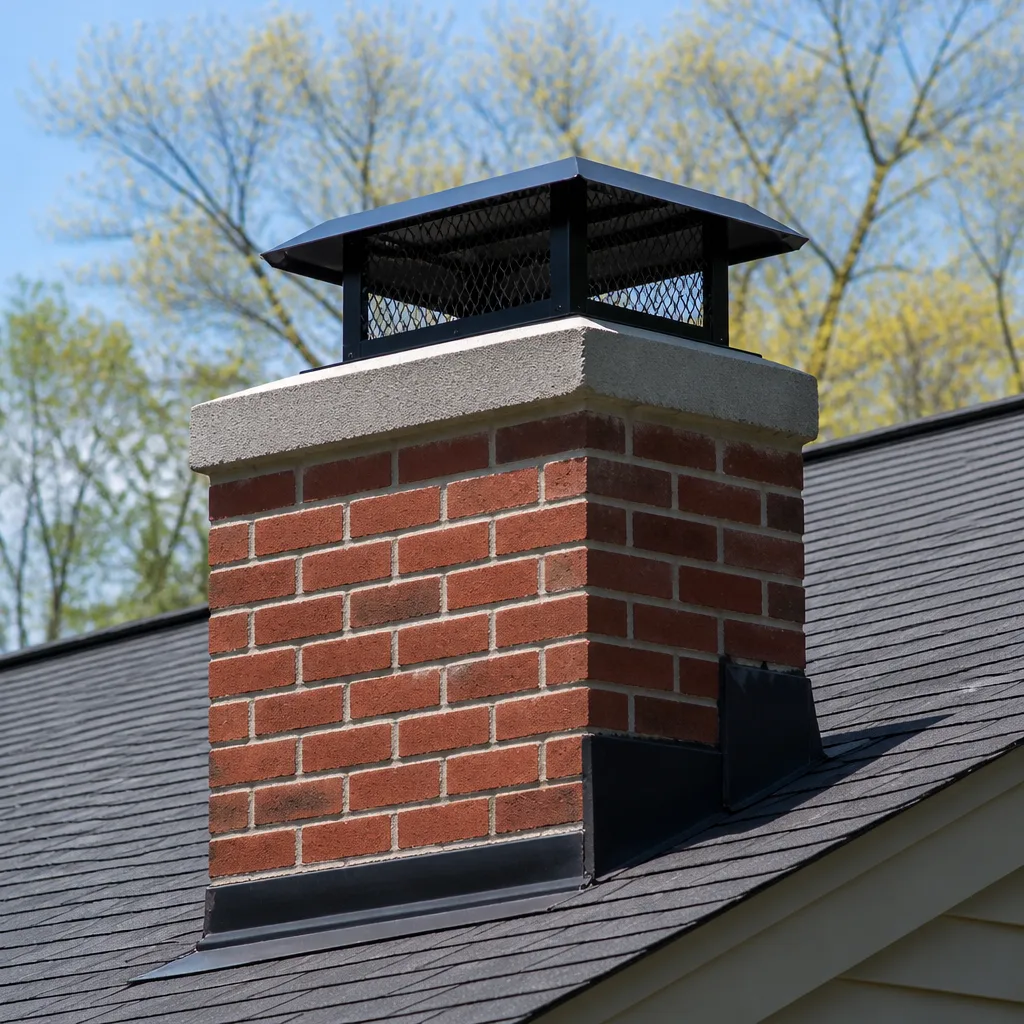 Caps & crowns
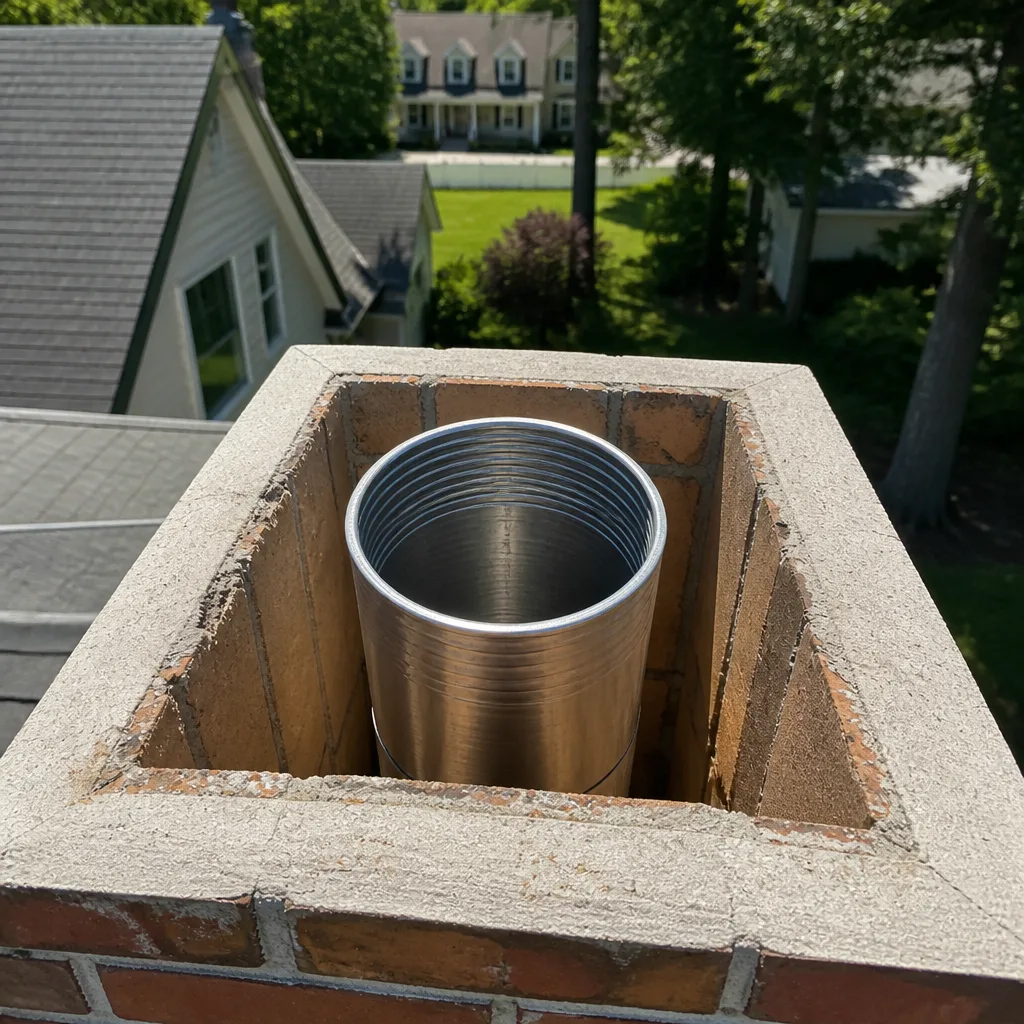 Flue relining
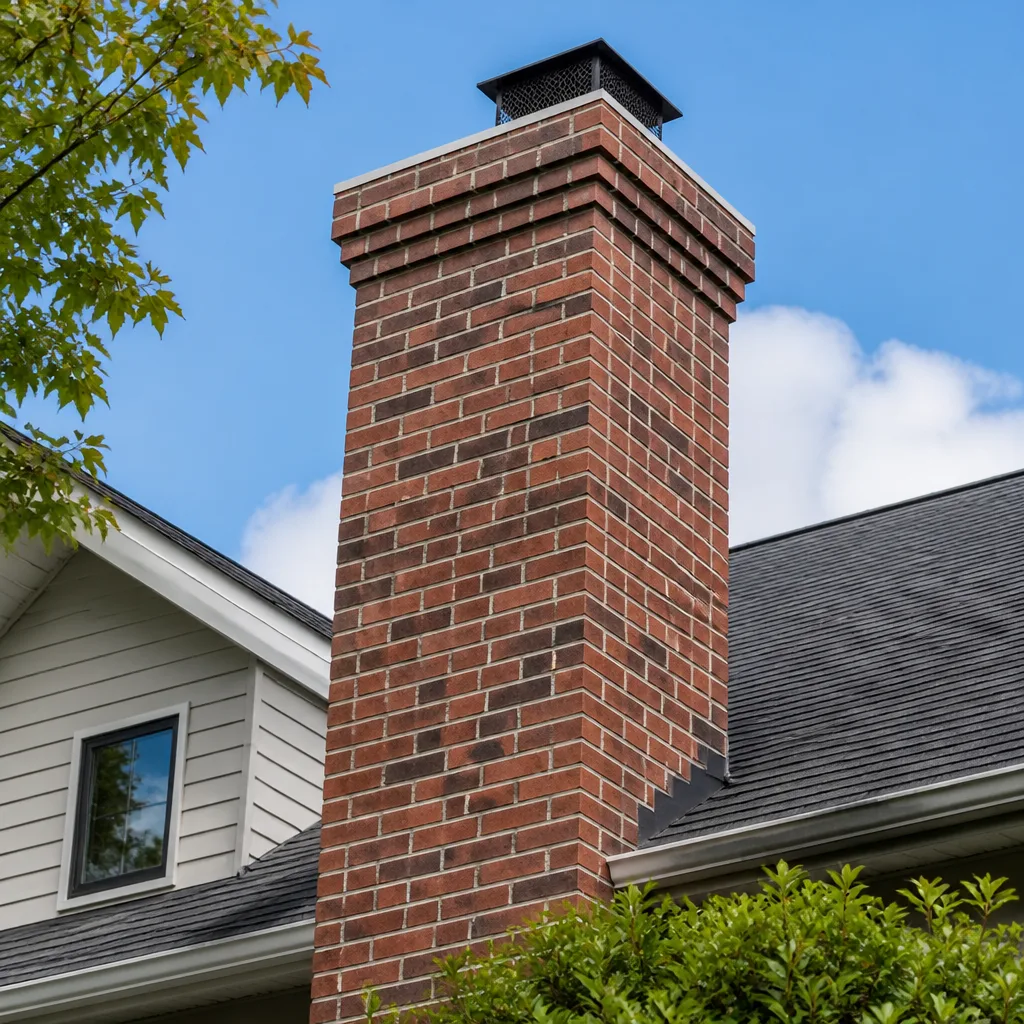 Masonry repair
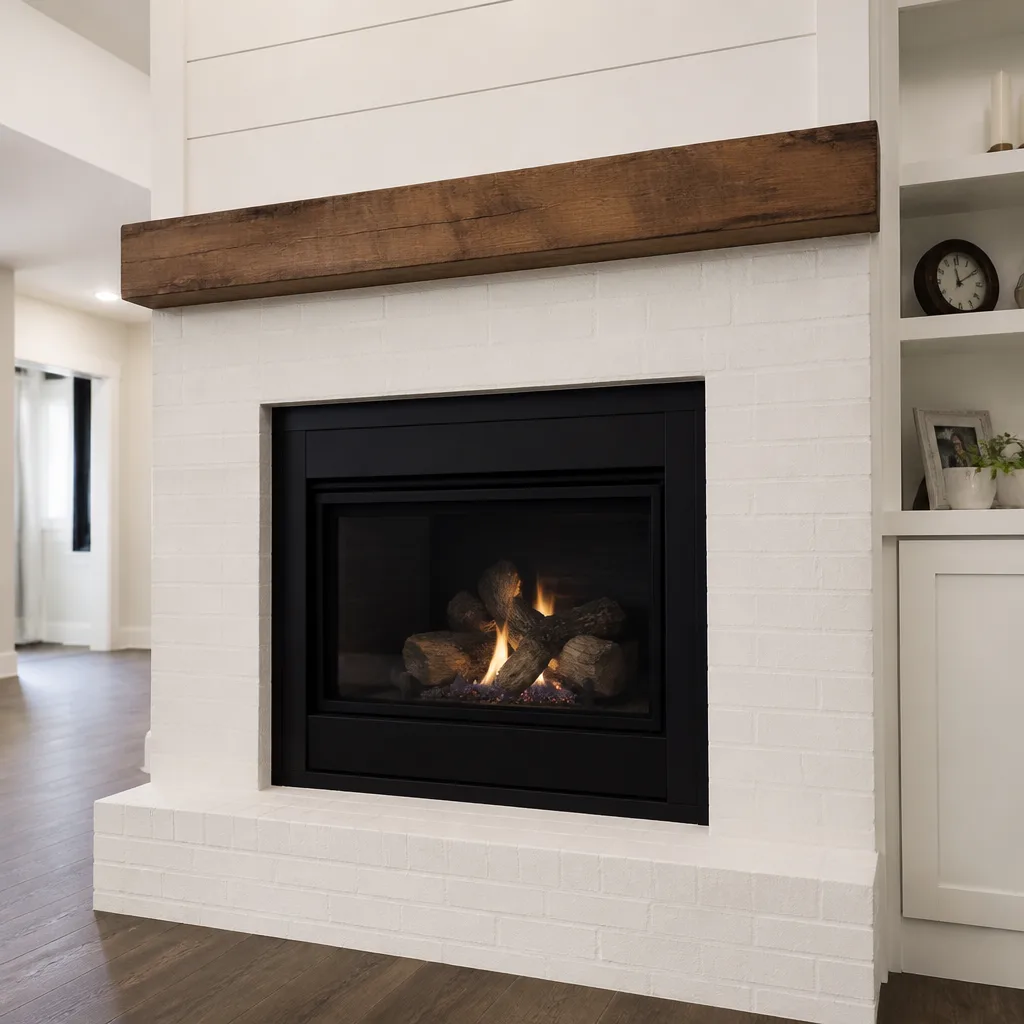 Gas fireplace service
Level 1 sweep and inspection to the NFPA 211 annual standard - flue, crown, cap, and flashing checked and photographed
Chimney sweep logs do not sweep chimneys. They loosen some creosote - which then falls where a brush and vacuum still have to collect it.
DIY vs Professional Chimney Cleaning: The South Jordan Homeowner’s Decision Guide
The chimney brush kit at the hardware store will clean soot. It won’t remove glazed third-degree creosote, it can’t inspect a cracked liner, and it doesn’t come with the vacuum system that keeps your living room from becoming a soot disaster. That’s the gap most DIY guides skip over. Whether you’re in Daybreak, near the Jordan River, or anywhere else in South Jordan, the real question isn’t “can I do this myself?” It’s “do I know what’s actually inside my flue before I climb up there?” This guide walks through the conditions where DIY is genuinely reasonable, the equipment a real attempt requires, and the honest hybrid approach many sweeps endorse.
Styles & brands we work with
- Sweep & inspection
- Caps & crowns
- Flue relining
- Masonry repair
- Gas fireplace service
Quick Answer
DIY chimney cleaning is reasonable only when four things are confirmed before you start: a straight, accessible flue, single-degree creosote, an accessible roofline, and no history of water damage in the chimney. Most South Jordan homeowners can’t confirm those conditions without an inspection, which is why the decision should begin with an assessment rather than a trip to the hardware store. If any of those conditions fails, professional cleaning is the safer and more defensible choice.
Bottom-line reality: If you don’t know what stage your creosote is in or whether your liner has cracked, you don’t yet have enough information to decide. An inspection answers that.
Table of Contents
- What DIY Chimney Cleaning Can and Can’t Touch
- The Four Conditions That Make DIY Reasonable
- Equipment You Actually Need (and Realistic Cost)
- Why South Jordan Homes Built Before 2000 Deserve Extra Caution
- The Liability Reality of a Self-Cleaned Chimney
- The Hybrid Recommendation Most Sweeps Endorse
- What a Professional Cleaning Actually Includes
- Common Mistakes to Avoid
- When to Call a Professional
- Frequently Asked Questions
What DIY Chimney Cleaning Can and Can’t Touch
A standard homeowner-grade brush removes loose soot and light, powdery creosote from the flue walls. That’s it. The distinction matters because creosote doesn’t arrive in one form. It builds up in three degrees, and where a flue sits on that scale changes everything about how it should be handled.
- First-degree creosote is flaky, dusty, and often brittle. A brush can dislodge it in a straight, accessible flue.
- Second-degree creosote is tar-like and clings. Standard brushes pass over it. Rotary brush systems can sometimes work it loose, but the residue that remains is sticky and re-accumulates quickly.
- Third-degree creosote is glazed, hardened, and bonded to the liner surface. It looks like black glass. No hand brush and no homeowner-grade rotary brush removes it.
Now add the second problem: a brush only cleans what’s visible along the brush path. It cannot inspect. A cracked clay tile in a flue looks exactly like a whole one to a brush moving past it in one direction. A partially dislodged tile section under a brush stroke is a real hazard, and it doesn’t announce itself until smoke starts seeping into a wall cavity.
Our technicians have up to 11 years of experience, and the consistent finding across those years is not that homeowners can’t push a brush. It’s that the brush doesn’t tell them what the brush did. Cleaning without inspection is half a job, and in a South Jordan home with an aging flue, the missing half matters more than the visible half. When the inspection side of the equation matters more than the cleaning side, our chimney sweep service handles both in one visit.
The Four Conditions That Make DIY Reasonable
If you want an honest yardstick, DIY chimney cleaning can be reasonable, but only when all four of these conditions are true before you start. Miss any one and the calculus tips toward a professional.
- A straight flue with no offsets or turns. Straight flues are the only ones where a typical homeowner brush head reaches the full interior surface. Offset flues require specialized flexible rods and the skill to work around the transition without wedging the brush.
- Confirmed single-degree creosote. This requires an inspection first. You can’t eyeball creosote degree from the hearth. You need a light and a camera looking down the flue, and if you’re looking yourself, you’re doing an inspection, not a cleaning.
- An accessible, safe roofline. A single-story chimney with a wide, flat area near the cap is workable for a careful homeowner. A steep pitch, a tall ridge, or a chimney set back from the ridge with a slick roof surface is not. South Jordan roof pitches vary widely by subdivision, and many two-story homes have chimneys that shouldn’t be approached from above by anyone without professional fall protection.
- No history of water damage. If the cap was ever missing, if you’ve had staining on the ceiling near the chimney, or if the crown shows cracking, the flue may already have damaged liner sections that a DIY brush will widen or dislodge. This is not a cleaning problem; it’s a repair problem, and it needs to be handled first.
Notice that condition two requires you to already know the inside of your chimney before deciding whether to clean the inside of your chimney. That’s the honest catch in the DIY-versus-pro framing. For a homeowner who’s had a professional inspection recently and knows their system, DIY cleaning between inspections is defensible. For everyone else, the first step is a look, not a brush.
Equipment You Actually Need (and Realistic Cost)
Here’s what a legitimate DIY chimney cleaning actually requires. This isn’t a $30 starter kit. It’s a real budget line.
- Rotary brush system sized to your flue. Round poly brushes sized to the liner diameter are the standard recommendation. A too-small brush doesn’t touch the walls; a too-large one can damage clay tiles. Expect $60 to $150 for a good brush and rod set, more for a rotary head with a drill adapter.
- HEPA vacuum rated for fine particulate. Ordinary shop vacuums leak soot through the exhaust, and soot particles stay suspended for hours. A true HEPA chimney vacuum, or a HEPA filter retrofit for a shop vac, runs $150 to $400. This is the single piece of equipment most DIY attempts skip, and it’s the one that makes the difference between a working fireplace and a soot-coated living room.
- Inspection mirror and a bright LED flashlight. A handheld mirror on a rod lets you look up the flue after brushing. Cheap, but essential for verifying you got what you came for. Expect $25 to $50.
- Drop cloths, respirator, eye protection, gloves. Soot is a fine-particulate irritant. A proper N95 respirator, sealed eye protection, and heavy gloves are not optional. Around $40 to $80 for the set.
- Safety harness and anchor point (if roof access is involved). A quality fall-protection harness runs $100 to $250, and you need a legitimate anchor point on the roof to use it. Without both, the roof work shouldn’t happen.
Add it all up: $375 to $930 for a full, safe DIY setup, and that’s before you’ve touched the chimney. The reality is that most homeowners buy half of this on the first attempt, and the missing HEPA vacuum is the one they regret. Compare that to a professional sweep, which brings all of that equipment plus an inspection camera and a trained eye, and the math doesn’t favor DIY for a one-time cleaning. It only starts to make sense if you plan to sweep every year yourself for many seasons, or if you’re cleaning between professional inspections on a low-use system.
Why South Jordan Homes Built Before 2000 Deserve Extra Caution
Chimney construction in South Jordan shifted over the decades, and the age of your home tells you something about the liner inside it. Homes built before 2000 are far more likely to have clay tile liners, and clay tile has a well-known failure pattern that a homeowner brush can accelerate.
Clay tile liners are joined sections stacked inside the flue. Over twenty-five or more years of heating and cooling cycles, the mortar joints between tiles crack. Once the joint cracks, water gets in, freeze-thaw cycles widen the crack, and the tile itself develops hairline fractures. None of this is visible from the firebox. It’s only visible from an inspection camera looking down the flue.
Now imagine a homeowner brush moving down that flue with downward pressure. On a sound tile, nothing happens. On a cracked or partially dislodged tile, the brush can push the tile section out of alignment or dislodge a piece entirely. The dislodged piece blocks the flue, or worse, wedges against the liner wall and creates a new restriction that wasn’t there before. What was a $200 cleaning problem becomes a liner replacement.
This isn’t a hypothetical risk in South Jordan. Older subdivisions with homes from the 1980s and 1990s routinely show these tile conditions on inspection, and the fix isn’t always dramatic. Sometimes it’s a HeatShield ceramic repair, which is a professional-grade flue restoration product applied by trained technicians to reline the damaged section from the inside. Sometimes it’s a partial liner replacement. But the point is this: a brush inspection can’t tell you which condition you’re in, and a brush cleaning can turn the mild condition into the severe one. When tile liner trouble is what the camera finds, our chimney repair service handles the fix in the same relationship as the discovery.
The Liability Reality of a Self-Cleaned Chimney
Insurance claims become significantly harder to support when a chimney fire follows a self-performed cleaning with no inspection record. This is one of the least-discussed realities in the DIY conversation, and it deserves a straight answer.
When an insurance adjuster investigates a chimney fire claim, one of the questions asked is whether the chimney was maintained and inspected by a qualified professional. If the answer is “the homeowner cleaned it themselves and there’s no record of an inspection,” the claim moves into ambiguous territory. The adjuster can’t verify that the flue condition was safe, can’t verify that the cleaning actually removed the creosote, and can’t verify that no defects were present. In some cases that ambiguity delays a claim. In others it can lead to a denial.
A professional sweep leaves a written inspection record. That record documents the condition of the flue at the time of service, the degree of creosote present, the condition of the cap and crown, and any defects found. That paper trail is exactly what an insurer wants to see. It’s the difference between “the homeowner says it was fine” and “a qualified technician documented the condition of the flue before the event.”
We work with your insurer where a claim is involved. What we can’t do is replace the record that a professional inspection would have created. That’s a reason to schedule an inspection before a fire, not after. It’s also a reason that a self-cleaned chimney should be paired with a professional inspection, which is the recommendation this guide comes back to in the next section.
The Hybrid Recommendation Most Sweeps Endorse
Here’s the honest middle-ground recommendation that many professional sweeps endorse for low-use systems: DIY cleaning is most defensible when it’s paired with a professional inspection every other year. That way the homeowner does the routine brush work between inspections, and a trained technician documents the flue condition, confirms the creosote degree, and catches developing problems on a schedule.
The hybrid approach works because the two halves of the job are genuinely different. Brush work is mechanical and, in favorable conditions, repeatable by a homeowner. Inspection is interpretive and requires both the equipment and the trained pattern recognition to know what a small crack or a small gap means. When you pair them on alternating years, you get the practical efficiency of doing your own cleaning without giving up the documented inspection record.
This approach makes the most sense for a specific kind of South Jordan homeowner: someone who burns occasionally, has a recent inspection confirming a single-degree creosote situation and a sound liner, has a straight flue, and can safely access the roof. For everyone else, and especially for anyone burning regularly through the winter, an annual professional visit is the simpler and more defensible path.
One note on frequency. The appropriate sweeping interval depends on how much you burn, what you burn, and how the system operates. A fireplace used a few times a season accumulates creosote slowly; a stove run daily through winter accumulates much faster. Rather than guess, most professionals ask about your burning habits during the inspection and recommend an interval based on what they find. The return visit is scheduled, not guessed.
For the cleaning portion of a hybrid schedule, our South Jordan Chimney Sweep service is where most homeowners start, and the inspection report that follows gives them the information they need to decide how much of the routine work they want to do themselves between visits. If the inspection turns up fireplace-level problems like a damaged firebox, a worn damper, or a failing refractory panel, that’s fireplace repair territory and it gets handled in the same relationship rather than referred elsewhere.
What a Professional Cleaning Actually Includes
A professional chimney cleaning is more than a brush run. The difference is the setup, the equipment, and what happens after the brush comes back down. Here’s what a typical professional visit involves.
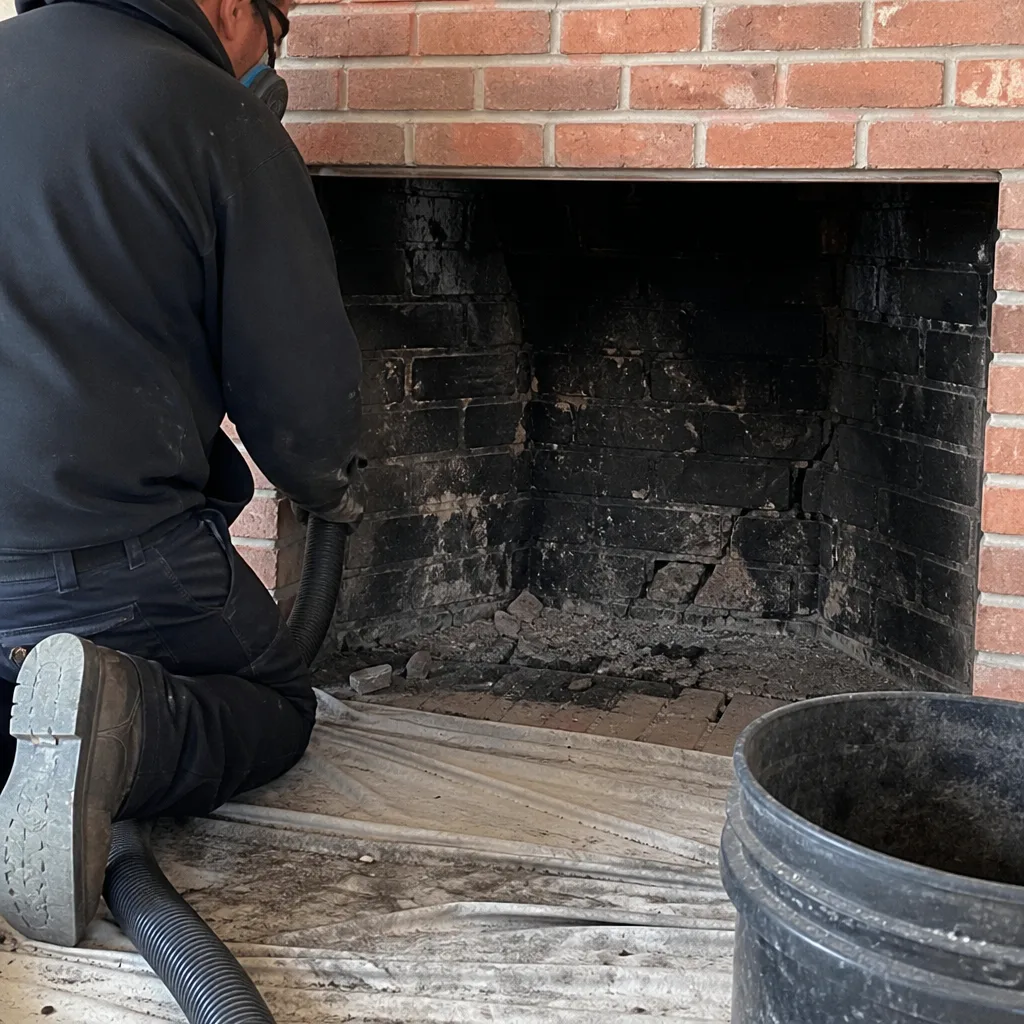
- Protecting the home before anything goes up the flue. Drop cloths and sealed plastic around the firebox opening, and a HEPA vacuum running throughout. No soot escapes into the living space.
- Cleaning the firebox and smoke chamber. The smoke chamber above the damper is a creosote trap on many South Jordan fireplaces, and it’s skipped entirely by most DIY attempts because it’s above the damper and below the flue.
- Brushing the flue with the correct brush and rod system for the liner material. Clay tile, stainless steel, and cast-in-place liners all get different treatment. A brush sized for a stainless liner can damage clay tile and vice versa.
- Running an inspection camera down the flue. This is the part DIY can’t replicate. The camera sees the full liner length, including sections the eye can’t reach from any angle.
- Inspecting the cap, crown, and exterior. A cracked crown or a missing cap is a water intrusion problem waiting to happen, and both are usually visible from the roof.
- Writing up the findings. A written report that documents what was found, what’s safe, and what’s worth watching. That document is your insurance record and your decision-making tool for the next season.
What a professional visit doesn’t require is a judgment call about whether the creosote is first-degree or something worse. The technician determines that with equipment, and the recommendation flows from the finding. When the finding is a cap or crown problem, we install manufacturer-spec caps from Gelco and Famco, fitted to the chimney rather than improvised, and on flue lining or restoration work the materials come from trade suppliers like Olympia Chimney, DuraFlex, HeatShield, and Copperfield. The point isn’t the brand list. It’s that the parts match what the chimney was built for, and the technician who finds the problem is equipped to fix it in the same relationship.
Common Mistakes to Avoid
- Brushes sized wrong for the flue. A brush that’s too small glazes the creosote instead of removing it. A brush that’s too large cracks clay tile. The flue diameter needs to be measured, not estimated by eye.
- Skipping the HEPA vacuum. Running a shop vac next to the firebox pushes fine soot into the room’s air, where it settles on every surface. The visible cleanup is annoying; the respiratory exposure is worse.
- Cleaning without inspecting first. The whole point of a sweep is to leave the flue in a known-good state. If you haven’t looked inside before you brush, you don’t know what you started with or what you left behind.
- Cleaning from the roof with no fall protection. South Jordan roofs get slick in winter, and chimney work concentrates weight and balance at the most exposed point on the roof. A harness and anchor point are not optional if roof access is involved.
- Ignoring the cap and crown. A missing or cracked cap lets water into the flue, and water is the leading cause of liner failure in clay tile chimneys. Cleaning the flue without checking the cap is cleaning the symptom and ignoring the cause.
- Burning wet or unseasoned wood and expecting the cleaning to stay clean. Creosote accumulation is driven by burn conditions as much as by cleaning. Seasoned wood and adequate draft are the maintenance plan between cleanings.
- Treating a professional sweep as a formality. It’s not a cleaning that happens to come with a report. It’s an inspection that comes with a cleaning, and the report is the part that protects the home and the insurance record.
When to Call a Professional
Call a professional when any of the following are true: you’ve never had an inspection and don’t know your flue condition; your flue has offsets or turns; your liner is clay tile in a home built before 2000; you have any staining around the chimney or on nearby ceilings; your cap is missing or damaged; your crown is cracked; your creosote is anything beyond first-degree; or you simply don’t want to do roof work yourself. Any one of those is enough on its own. Also call if you burn regularly through the winter and the last inspection was more than a year ago.
South Jordan Chimney Sweep offers free estimates in South Jordan. Call (866) 937-8549. We answer 24/7. Fast dispatch from 7am to 7pm, Sunday through Friday. The estimate is free, the price is set per job by the written estimate, and the inspection report is written so you can read it, understand it, and keep it.
Safety caveat: Chimney work involves height, and in the wrong conditions, glazed creosote that can ignite. If you’re unsure about the condition of your flue or your roof safety setup, stop and call a trained professional. A brush on a roof is not worth a fall or a fire risk.
Frequently Asked Questions
For a minority of South Jordan homes, yes, and only when four conditions are confirmed first: a straight flue, first-degree creosote, an accessible roofline, and no history of water damage. For most homes, the honest answer is that the conditions can’t be confirmed without an inspection, so the safe recommendation is to schedule one before deciding. A $0 inspection that tells you whether DIY is safe for your specific flue is the cheapest part of this decision.
No. Third-degree creosote is glazed and bonded to the liner, and no homeowner-grade brush removes it. Rotary brush systems can sometimes work on second-degree creosote, but third-degree glazed creosote requires specialized removal, often involving chemical treatment and professional rotary equipment, or in some cases liner replacement. Call us to schedule an assessment at (866) 937-8549 and we’ll tell you which situation you’re in.
It can become significantly harder to support the claim. Insurance adjusters want to see a professional inspection record when a chimney fire claim comes in, and a self-cleaned chimney without one leaves the flue’s pre-fire condition undocumented. That’s not a hard denial; it’s a gap in the record that complicates the claim. A documented inspection is the record an insurer wants to see. Call (866) 937-8549 for a free estimate and get that record in place before the burn season.
The interval depends on how much you burn, what you burn, and what the inspection finds. Rather than give a fixed number for every home, we recommend an annual inspection that determines the right interval for your specific system. A low-use South Jordan fireplace is on a different schedule than one burning daily through winter. Schedule the inspection and we’ll give you a specific recommendation based on what the camera sees.
Creosote accumulates, draft degrades, and the chance of a chimney fire rises with the creosote load. That’s a safety risk, not a hypothetical. If the flue already has a cracked liner or a failing cap, skipping inspection means those problems keep getting worse, and the eventual repair is larger than it would have been. It’s not fear-driven; it’s just the way the materials behave without maintenance. Call (866) 937-8549 and we’ll book the inspection. We answer 24/7. Fast dispatch from 7am to 7pm, Sunday through Friday.
In many cases, yes. Cleaning and inspection are usually done on the same visit, so the report you get back covers both. Same-day service is available when the schedule allows. The sooner you call, the more flexibility we have. Call (866) 937-8549 for a free estimate.
The Bottom Line
DIY chimney cleaning is really only defensible when you already know your flue condition from a recent inspection, your creosote is first-degree, your flue is straight, and you can safely access the roof. That describes a minority of South Jordan homes. For everyone else, the right first step is a professional inspection, not a hardware store trip. If you do choose to clean yourself between professional visits, the hybrid approach (DIY cleaning paired with a professional inspection every other year) is the arrangement that keeps the safety record intact and the flue condition documented. If you don’t know where your flue falls on that spectrum, a free estimate answers it.
If you’re ready to schedule an inspection or a cleaning, or you just want an honest answer about whether DIY makes sense for your home, call South Jordan Chimney Sweep at (866) 937-8549. We answer 24/7. Fast dispatch from 7am to 7pm, Sunday through Friday. The estimate is free, and the inspection report is yours to keep.
Written by the team at South Jordan Chimney Sweep.
See the difference
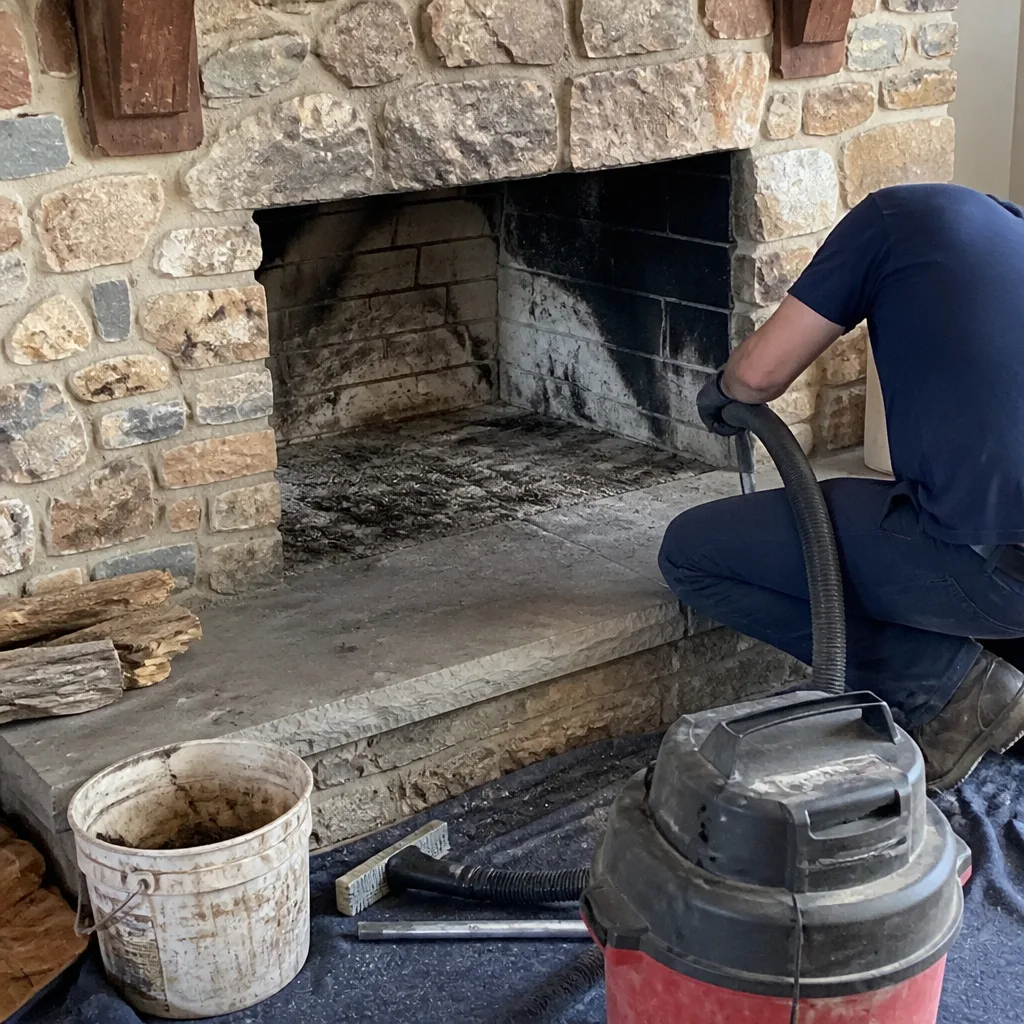 Before
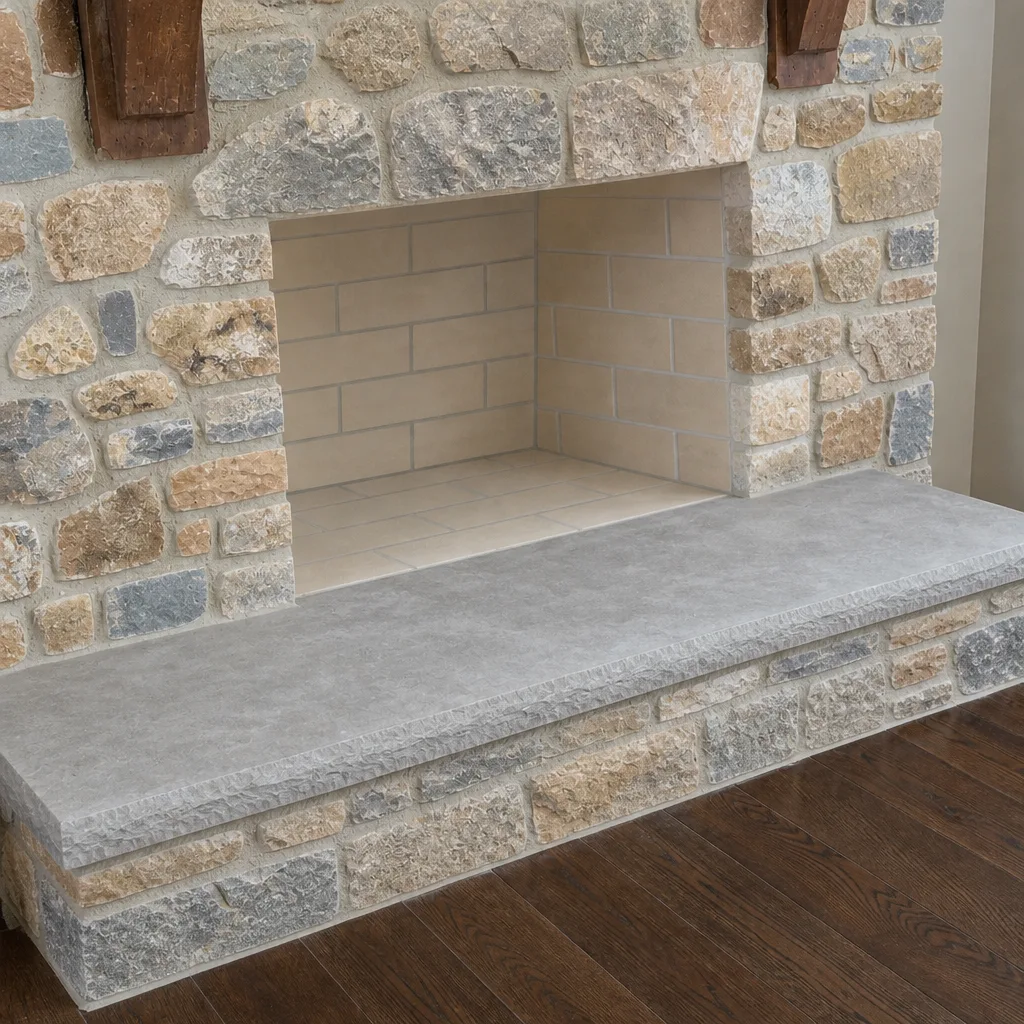 After
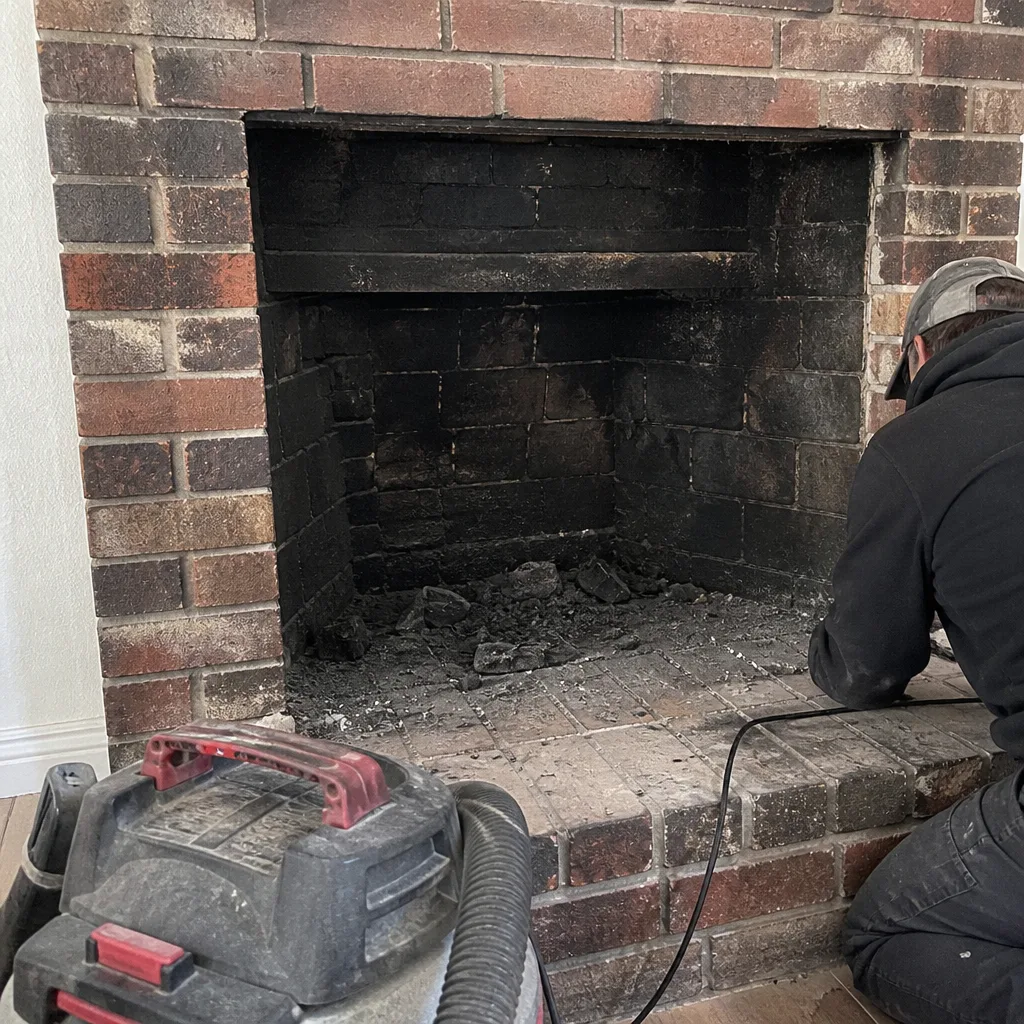 Before
 After
 Before
 After