
Last updated November 24, 2026
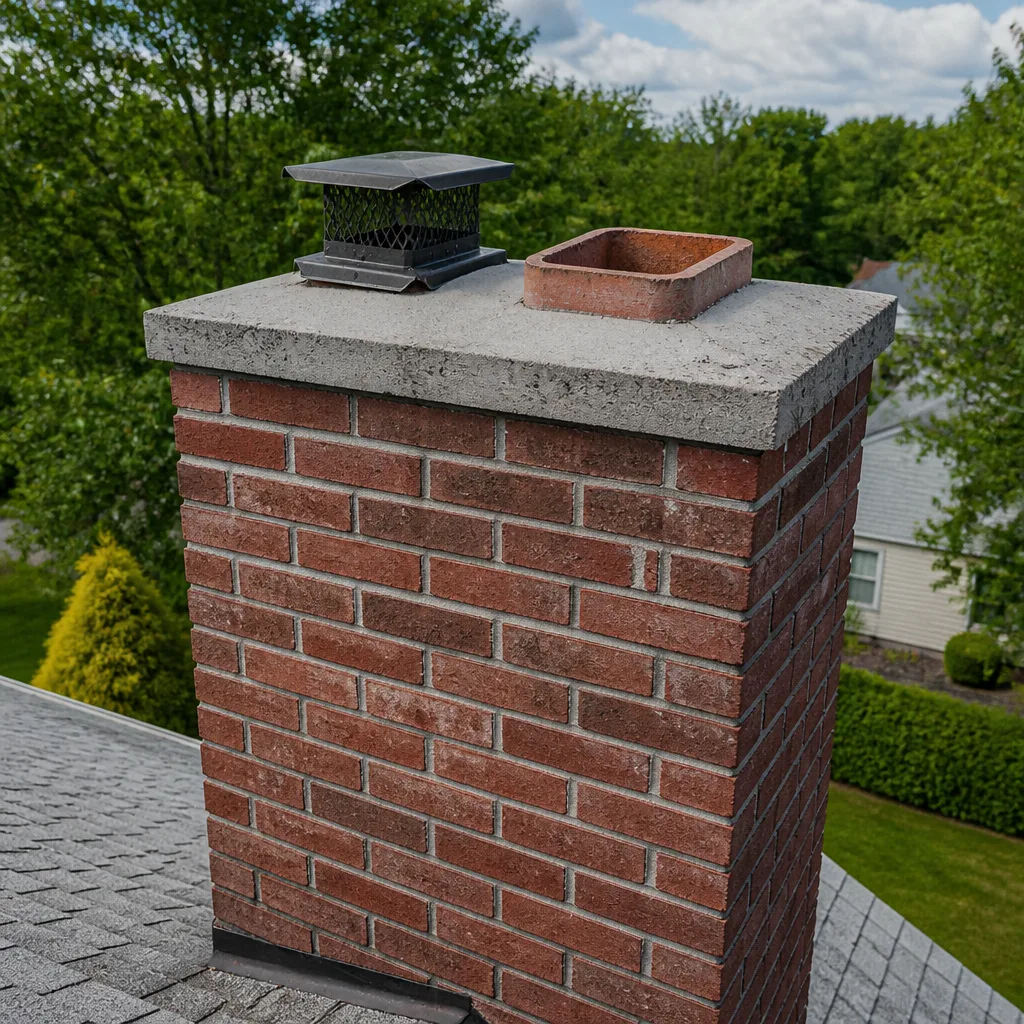 Sweep & inspection
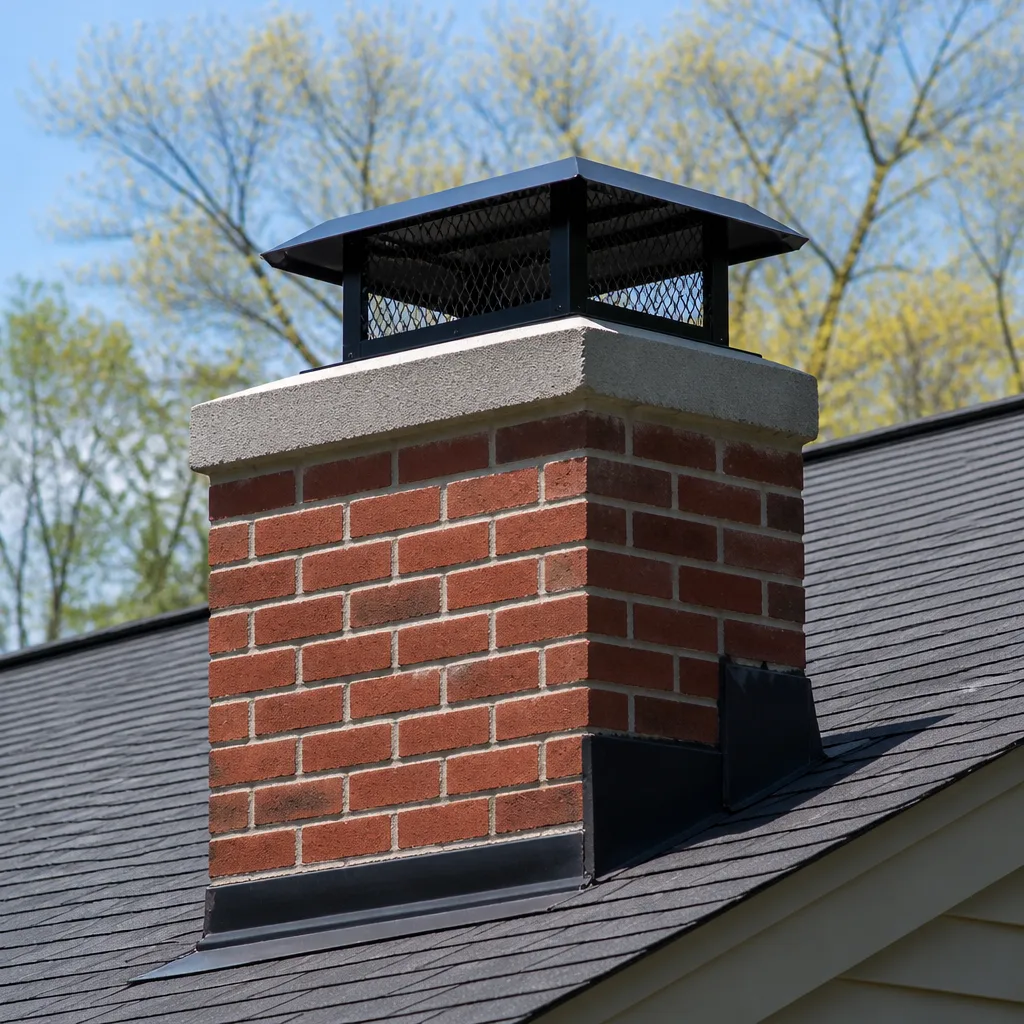 Caps & crowns
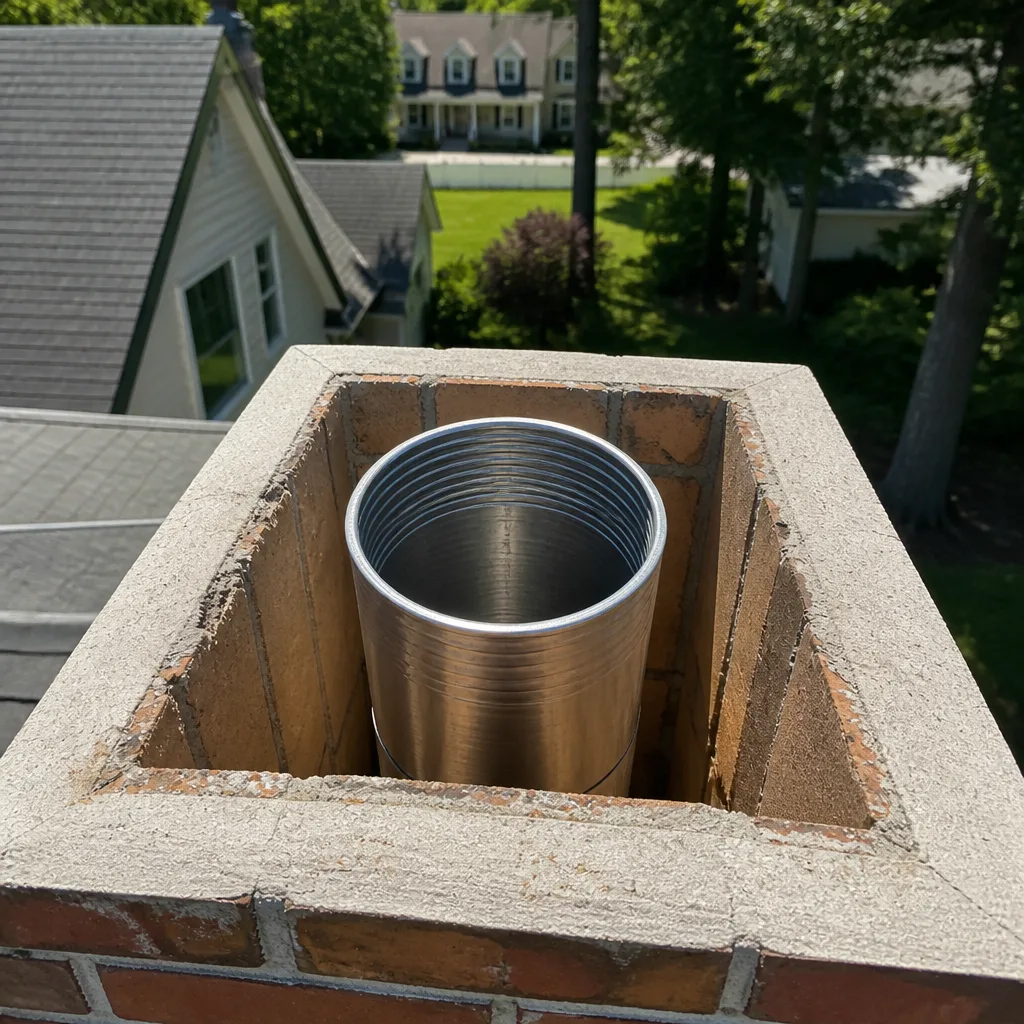 Flue relining
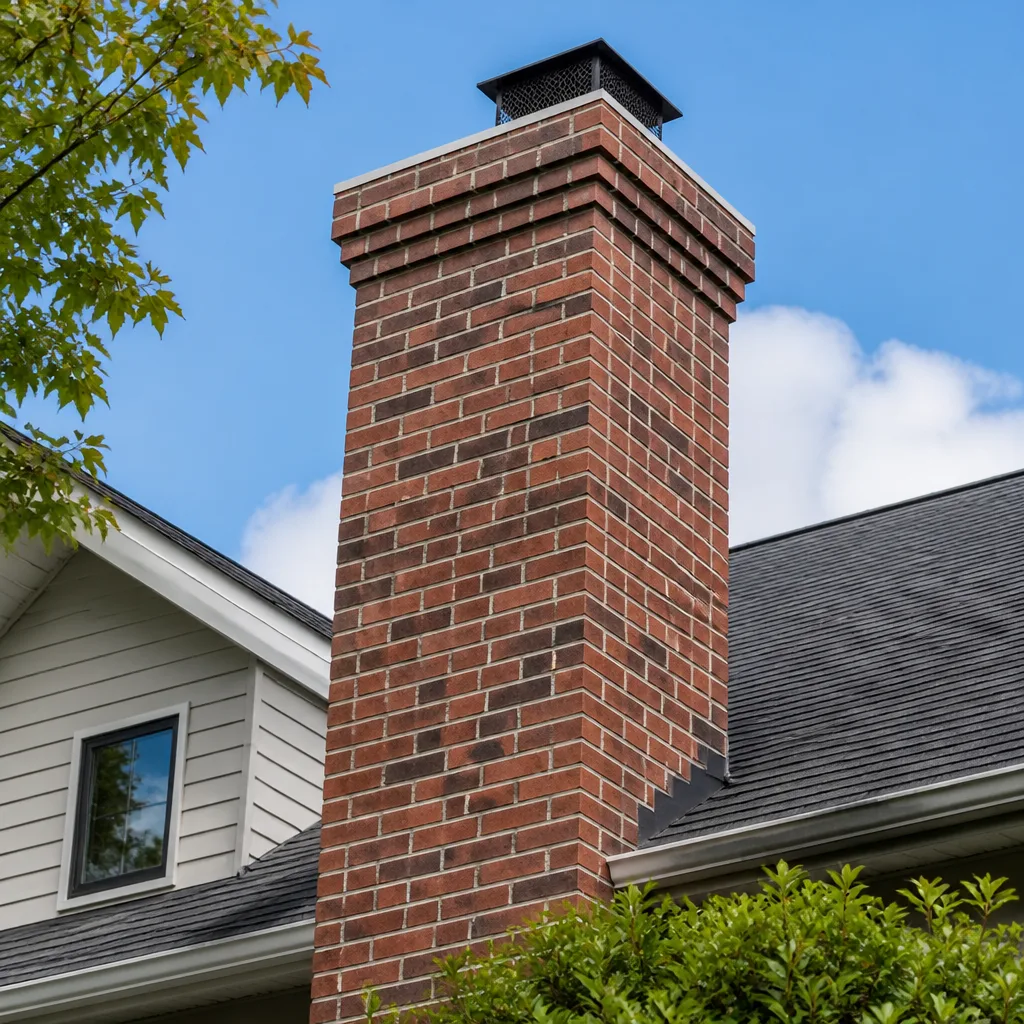 Masonry repair
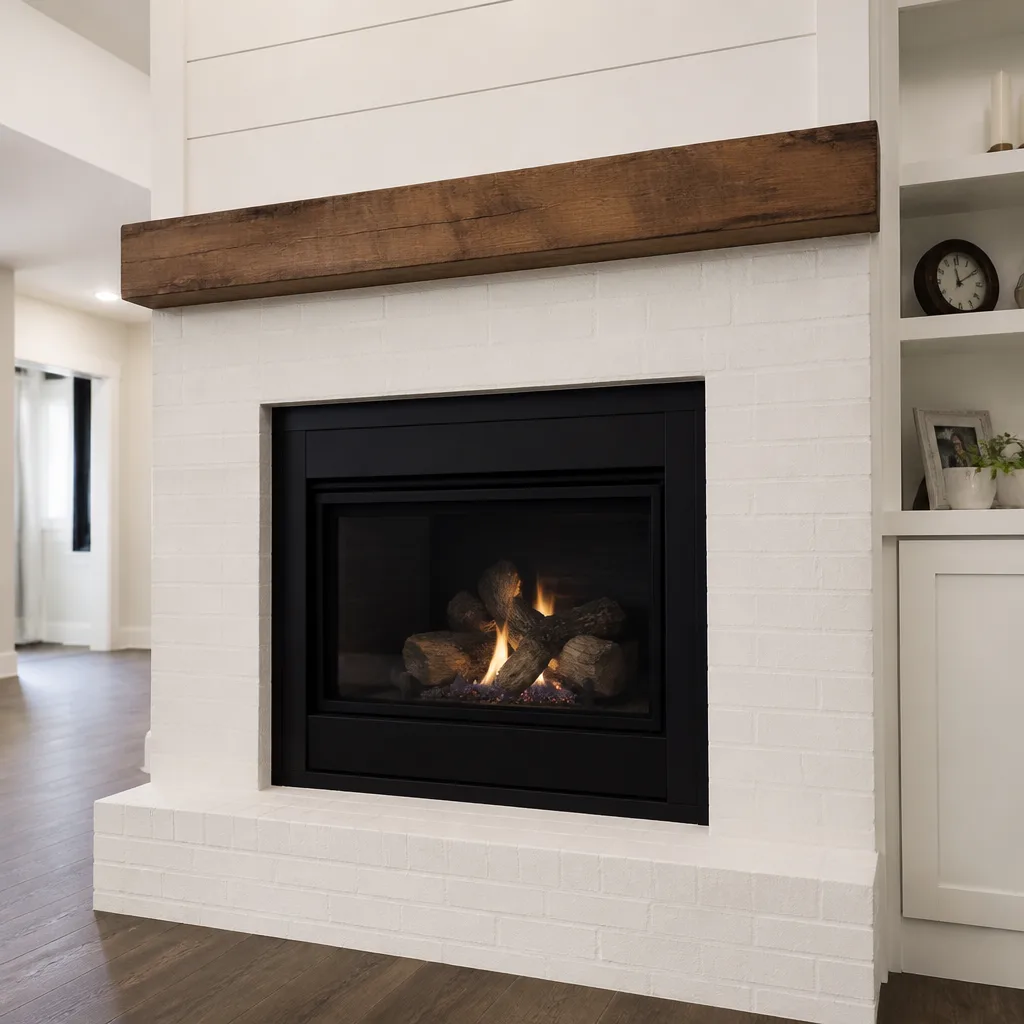 Gas fireplace service
Level 1 sweep and inspection to the NFPA 211 annual standard - flue, crown, cap, and flashing checked and photographed
Chimney sweep logs do not sweep chimneys. They loosen some creosote - which then falls where a brush and vacuum still have to collect it.
Choosing the Right Chimney Cleaning Brand: A Buyer’s Guide for South Jordan
There’s no equivalent of a “UL-listed” sticker on chimney cleaning supplies. The sealant a contractor uses on your crown could be a hardware-store caulk or a professional-grade elastomeric compound, and you’d never know the difference from the invoice. Both come in a tube. Both dry. The difference shows up years later, when one cracks and the other doesn’t. In this guide, we’ll walk through the product categories that actually matter for a chimney in South Jordan, the brand names certified professionals specify, and the questions that separate a trade-level contractor from someone improvising. You’ll learn how to verify materials before work starts, not after.
Quick Answer
The brands that matter for chimney cleaning and repair in South Jordan are the ones certified chimney professionals specify by name: HeatShield for ceramic flue repair, Gelco and Famco for caps, DuraFlex and Olympia Chimney for liner systems, and Copperfield for structural products. A contractor who can name their materials, explain the spec, and show you the product is using professional-grade supplies. One who can’t is guessing, and your chimney pays for the guess.
Styles & brands we work with
- Sweep & inspection
- Caps & crowns
- Flue relining
- Masonry repair
- Gas fireplace service
Table of Contents
- The Four Product Categories That Actually Matter
- Crown Coatings: Elastomeric vs. Standard Sealant
- Creosote Removal: Chemical vs. Mechanical
- Liner Systems and Stainless Steel Gauge Ratings
- Cap Materials: 304 vs. 316 Stainless
- Creosote Sweeping Logs: Supplement or Substitute?
- Questions to Ask Before You Book
- What a Brand-Unaware Answer Tells You
The Four Product Categories That Actually Matter
Chimney work gets pitched as a single service. It’s really four distinct product decisions, and a contractor’s supply chain shows up in all of them. When we quote work in South Jordan, homeowners often ask what products we’ll use before agreeing to anything. That’s the right instinct. Here’s what to look for in each category.
- Crown coatings. The crown is the concrete cap on top of the chimney that sheds water away from the masonry. Coatings range from hardware-store masonry sealer to elastomeric compounds designed for chimney crowns specifically. The pro-grade products flex with freeze-thaw cycles. The cheap ones crack within a season or two.
- Creosote removers. Creosote is the tar-like residue that builds up inside the flue. Mechanical removal (brushes and rods) is the standard. Chemical treatments (ACS-type products) can soften stubborn glaze-stage creosote before sweeping. The two aren’t interchangeable, and a contractor should know when each applies.
- Liner systems. A stainless steel flue liner is the safe channel for exhaust. The gauge of the steel (24 vs. 20 gauge) determines how the liner handles heat and how long the manufacturer’s warranty runs.
- Caps and crowns. Caps keep water, animals, and sparks out. Crowns seal the top of the masonry itself. Both matter, and both have material grades that separate pro-grade from improvisation.
The pattern across all four: the brand name isn’t a marketing flourish. It’s a spec. A contractor who uses chimney repair-grade materials from Gelco, HeatShield, Olympia Chimney, Famco, DuraFlex, or Copperfield is sourcing from the same supply chain that serves certified professionals nationwide.
Crown Coatings: Elastomeric vs. Standard Sealant
Elastomeric crown coatings outperform standard masonry sealant because they flex. A standard sealant cures hard and cracks when the crown expands and contracts through a Utah winter. An elastomeric coating stretches with the movement and keeps the seal. South Jordan sits in a climate with sharp freeze-thaw cycles from November through March. Water gets into the crown during the day and freezes overnight, and that expansion is what destroys weak coatings.
Here’s how to tell the difference when you ask:
- Ask what brand of crown coat they use. A pro-grade answer names a product designed for chimney crowns. A vague answer (“we use a good masonry sealer”) usually means a general-purpose product.
- Ask whether it’s elastomeric. If the contractor doesn’t know the term, they’re not specifying by performance, they’re buying whatever’s on the shelf.
- Ask about surface prep. Proper crown coating requires cleaning, patching cracks, and letting the surface dry before application. A coating over a wet or dirty crown fails regardless of brand.
- Ask how long the coating is rated for. Manufacturer documentation on professional-grade crown coatings typically runs in the multi-year range, not “one season.”
When we inspect a crown in South Jordan, the first thing we check is whether the previous coating was pro-grade or improvised. A crown that’s been sealed with hardware-store caulk shows it: cracks radiating from the mortar joints, water stains below the crown line, and masonry that’s starting to spall. The fix isn’t a bigger tube of the same product. It’s the correct product applied to a properly prepared surface.
Creosote Removal: Chemical vs. Mechanical
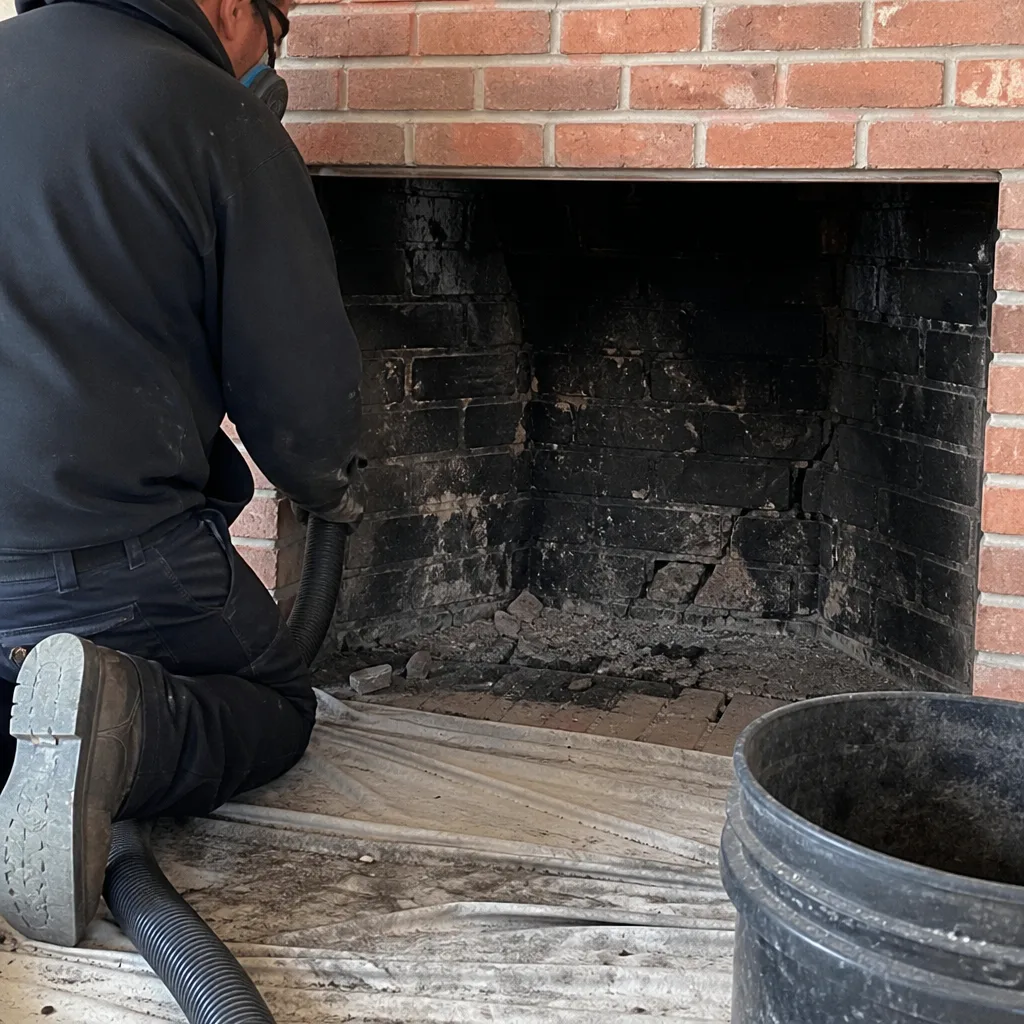
Mechanical removal is the standard. Brushes, rods, and a vacuum remove creosote from the flue walls. Chemical treatments (ACS-type products) soften glaze-stage creosote so it can be brushed out, but they don’t replace brushing. The two methods work together.
Creosote builds up in three stages. Stage one is soot and light flake. Stage two is a crunchy, flaky deposit that brushes off cleanly. Stage three is glaze, a hardened tar that resists brushes and requires either chemical softening or, in severe cases, more aggressive mechanical removal. The stage determines the method. A contractor who runs the same brush through every flue on the same schedule isn’t inspecting; they’re going through the motions.
What a proper sweeping visit looks like:
- Inspection first. A camera check of the flue determines the creosote stage and identifies any defects before the brush goes in.
- Drop cloths and a sealed vacuum. The work area stays contained throughout.
- Brushing with the correct brush for the flue material. A stainless liner gets a different brush than a clay tile liner, and the wrong brush scratches the liner surface.
- Chemical softening only if the creosote is glaze-stage and mechanical brushing alone won’t clear it. The chemical is a tool, not a routine.
- A second camera pass after brushing to confirm the flue is clear and to document the condition of the liner, damper, and firebox.
You can schedule a chimney sweep with confidence when the contractor describes this sequence. If the pitch is “we brush it and you’re good,” that’s the whole visit and it misses the inspection that answers the real question: is anything wrong in there that brushing won’t fix?
Liner Systems and Stainless Steel Gauge Ratings
Liner gauge is one of the most overlooked specs in chimney work. Stainless steel flue liners come in different thicknesses, and 24 gauge is thicker than 20 gauge. The thicker liner handles higher exhaust temperatures and typically carries a longer manufacturer’s warranty. That difference matters in a fireplace that gets regular winter use, which describes most fireplaces in South Jordan.
The professional brands in this category include DuraFlex and Olympia Chimney. Both supply liner systems to certified professionals. When a contractor tells you they’ll install a liner, the follow-up question is simple: what gauge, and what brand?
- 24 gauge – thicker steel, longer warranty, better heat handling. The spec for most residential installations where the fireplace sees regular use.
- 20 gauge – thinner steel, shorter warranty, adequate in some applications but not the first choice for a heavily used flue.
- Flexible vs. rigid – flexible liners navigate offset flues without cutting and patching. Rigid liners can serve straight chases. The flue geometry usually makes the decision.
Liner installation is a structural change to the exhaust path of your chimney, and it’s one of the places where a vague answer is worth pushing back on. A liner that doesn’t match the appliance and the flue is a safety issue, not an inconvenience. The professional-grade products exist because they meet the thermal and corrosion demands of the job. If your contractor can name the brand and the gauge, you’re working with someone who treats the spec as a spec.
For interior flue restoration, South Jordan Chimney Sweep uses HeatShield ceramic repair technology. HeatShield is designed specifically for professional chimney technicians and isn’t available through general retail channels. The point is accountability: the technician who finds a cracked flue during inspection is equipped to repair it in the same relationship, rather than sending you to find a different contractor who may or may not specify the same products.
Cap Materials: 304 vs. 316 Stainless
A chimney cap does two jobs: it keeps water and animals out of the flue, and it acts as a spark arrestor. The material grade determines how long it holds up. 304 stainless steel is the standard grade for residential caps. 316 stainless is a marine-grade alloy with better corrosion resistance, typically specified in coastal installations or where the exhaust chemistry is more aggressive.
In South Jordan, 304 stainless is usually the correct spec for a single-family home’s chimney cap. That’s not a downgrade. It’s the right material for the environment. A contractor who insists on 316 for every job is either upselling or doesn’t understand the local climate conditions. A contractor who offers a galvanized steel cap as the default is cutting a corner that shows up in five years of rust.
The brand names in this category worth asking about are Gelco and Famco. Both supply caps to chimney professionals. When we install a cap in South Jordan, we’re fitting a manufacturer-spec component that matches the flue dimensions and the appliance. Not whatever’s on the truck. A properly fitted cap seats flush, attaches to the flue with the correct hardware, and vents appropriately. An ill-fitting cap creates backdraft problems that show up as smoke in the living room, not as a cap problem, which is why the diagnosis gets expensive.
If you’re having a cap installed, ask:
- What brand and what grade of stainless?
- How does the cap attach to the flue?
- Does the mesh size match a spark arrestor spec for my appliance?
- Will the cap fit the flue as-is, or does the crown need work first?
That last question matters more than most homeowners realize. A cap installed over a cracked crown just hides the problem. If the crown needs repair, the right move is to fix it first, then fit the cap to a sound base.
Creosote Sweeping Logs: Supplement or Substitute?
A creosote sweeping log (CSL) is a chemical supplement, not a cleaning substitute, and the manufacturers’ own product documentation says so. That’s the single most important thing to know before you buy one. The logs release chemicals that soften a light creosote deposit, which can make the next mechanical sweeping more effective. They don’t remove creosote on their own, and they can’t inspect a flue or diagnose a defect.
Here’s the distinction in practical terms:
- What a CSL does: loosens light, flaky creosote so a brush can clear it more easily. Useful as a between-sweeps maintenance aid in a fireplace that’s used regularly.
- What a CSL doesn’t do: remove glaze-stage creosote, replace a camera inspection, identify a cracked flue tile, or tell you whether the liner is still rated for the appliance.
- Where manufacturers draw the line: the product documentation typically describes the log as a maintenance aid and recommends annual professional cleaning alongside use.
We see this come up in South Jordan with homeowners who’ve read about CSLs online and assumed the log replaces the annual sweep. It doesn’t. A fireplace repair need that gets masked by a CSL is one that surfaces later at a higher cost. Think of the log as part of the routine, not the routine itself. A log once a season between professional sweeps is a reasonable supplement. A log instead of a sweep is a maintenance gap.
Questions to Ask Before You Book
The brand-aware buyer’s checklist comes down to five questions. Ask them on the phone before the visit, and pay attention to which ones get direct answers.
- What brand of crown coat do you use for crown repair? The answer should name a professional-grade product, or the contractor should explain why the crown doesn’t need coating.
- If you install a liner, what brand and what gauge? The answer should be a specific brand (DuraFlex and Olympia Chimney are the common professional brands) and a specific gauge (24 or 20).
- What brand of cap do you install, and what grade of stainless? Gelco and Famco are common pro-grade brands. 304 stainless is the usual spec for a South Jordan home.
- Do you do a camera inspection before and after the sweep? The answer should be yes. A sweep without a camera check documents nothing.
- If you find a defect during the sweep, can you repair it? A single-contractor answer is better than a referral to a specialist you have to vet separately.
If you ask these five questions and the contractor answers all five with a name and a spec, you’re working with a professional supply chain. If three of them are shrugged off, you’ve learned something useful before you paid for it. The questions are free to ask. The information they return is what you can’t get from an invoice afterward.
We keep our own supply chain tied to the same professional brands certified technicians specify, because a sweep that finds a problem is only half a service if the fix has to come from somewhere else. Gelco, Olympia Chimney, Famco, Copperfield, DuraFlex, HeatShield. Those names are the accountability.
What a Brand-Unaware Answer Tells You
A contractor who can’t name the brand they use is telling you something about their supply chain. It’s not that they’re incompetent. It’s that they buy materials by price and availability rather than by spec, and they haven’t been asked to justify the choice often enough to have an answer. The materials they install have a spec. They just don’t know what it is.
Three patterns to watch for:
- The generic-answer contractor. “We use a professional-grade product.” Which one? “The good stuff.” That’s not a brand. That’s a category they don’t have a name for.
- The improviser. “We use whatever we have on the truck.” A contractor whose materials vary job to job can’t guarantee the same performance in yours.
- The outsource. “We can refer you to someone.” A sweep that hands off a repair to a contractor with a different supply chain creates a gap where accountability falls through.
None of these are always dishonest. Some are just small operations that haven’t built a supply relationship with a professional brand. But the difference between pro-grade and generic products is measurable in the field. A crown coat that’s rated for multiple freeze-thaw seasons performs differently from one that isn’t. A 24-gauge liner outlasts a 20-gauge liner. A 304 stainless Gelco cap resists rust long past the point where a galvanized cap is done. When you ask about brand and get a vague answer, ask the follow-up: what spec are you buying for? A brand-aware contractor can answer. A brand-unaware one usually can’t.
Common Mistakes to Avoid
- Booking on price alone. The cheapest sweep in South Jordan is often the cheapest because the materials are the cheapest. A $40 crown coat and a pro-grade elastomeric product cost different amounts for a reason.
- Assuming a CSL log replaces the annual sweep. It doesn’t, and the product documentation says so. The log softens. The sweep removes. Both matter, and one doesn’t cover the other.
- Accepting a cap without asking the grade. Galvanized caps rust through. 304 stainless caps hold up. The difference is in the material, not the look.
- Skipping the camera inspection on the invoice. If the visit was “sweep only” with no interior inspection, you don’t know what the flue looked like before or after. Ask for the camera check and the report.
- Letting a crown go unsealed through a Utah winter. The freeze-thaw cycle in South Jordan is hard on concrete. A crown that’s cracked in September is a bigger repair by February.
- Assuming a liner is a liner. The gauge matters. A 20-gauge liner in a heavily used fireplace will outwear its warranty faster than a 24-gauge liner would have.
- Hiring a contractor who can’t name their products. The five-question call takes ten minutes and tells you more about the contractor than the invoice will.
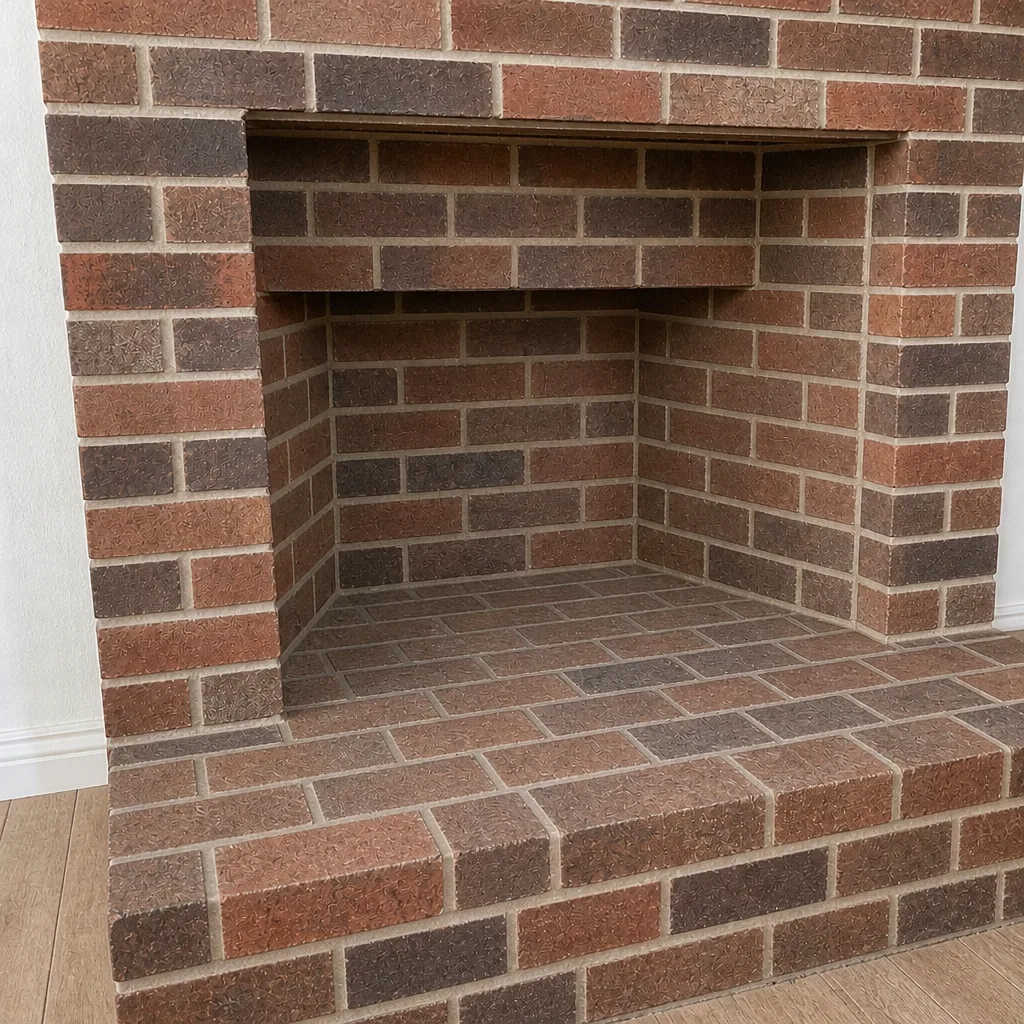
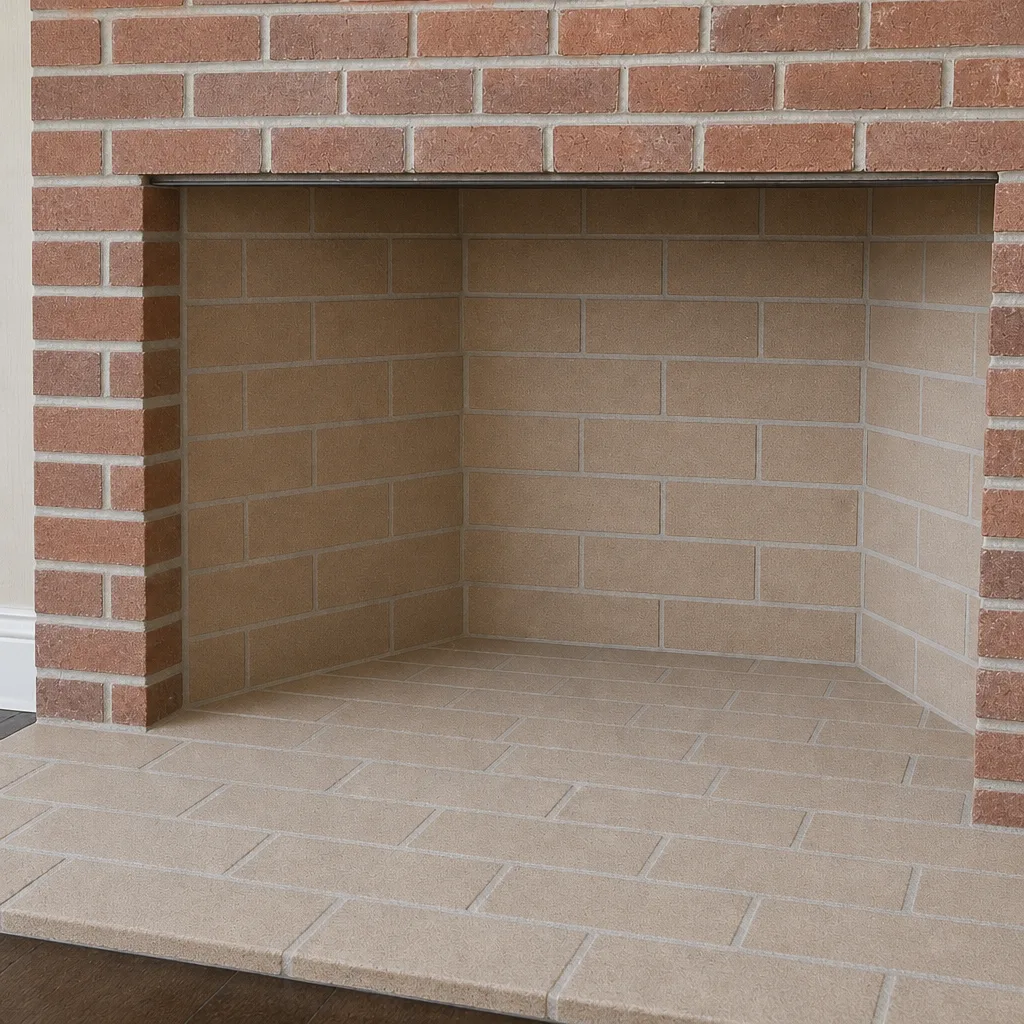
See the difference
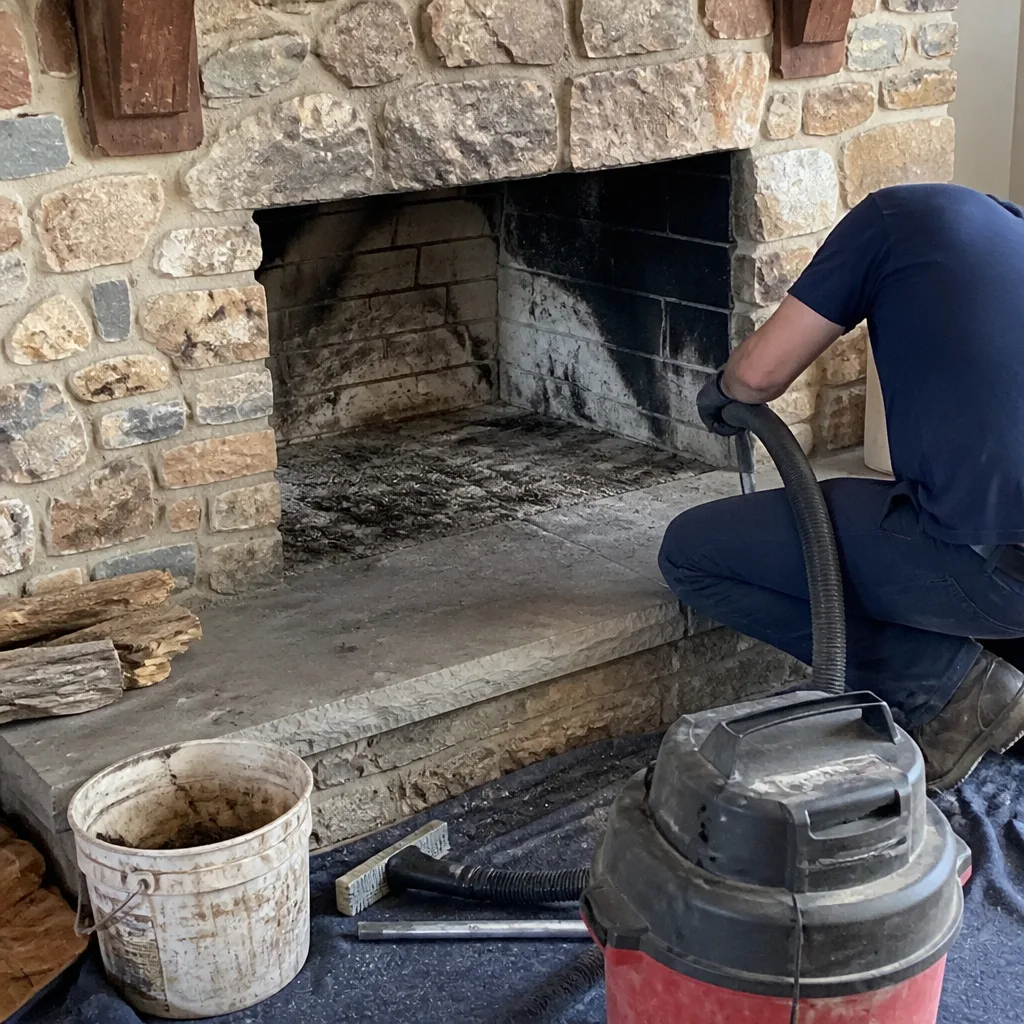 Before
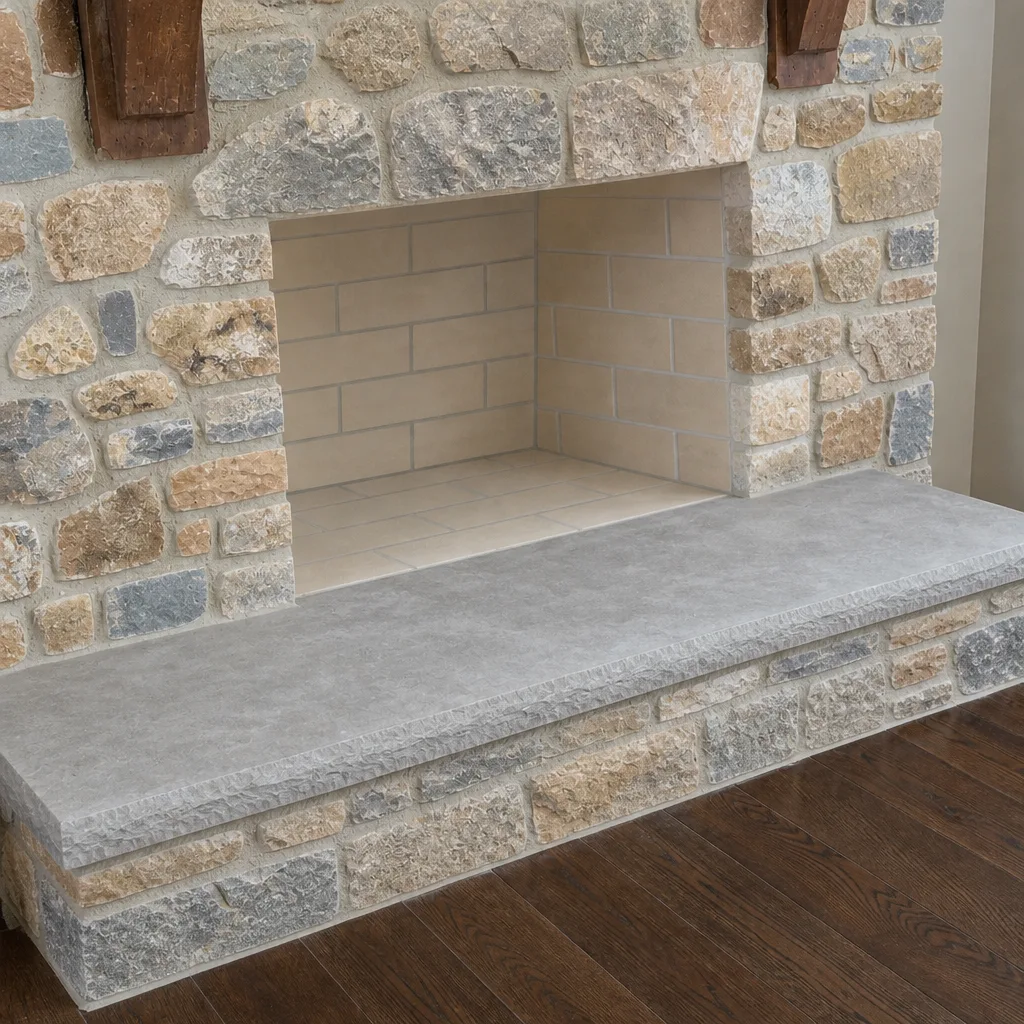 After
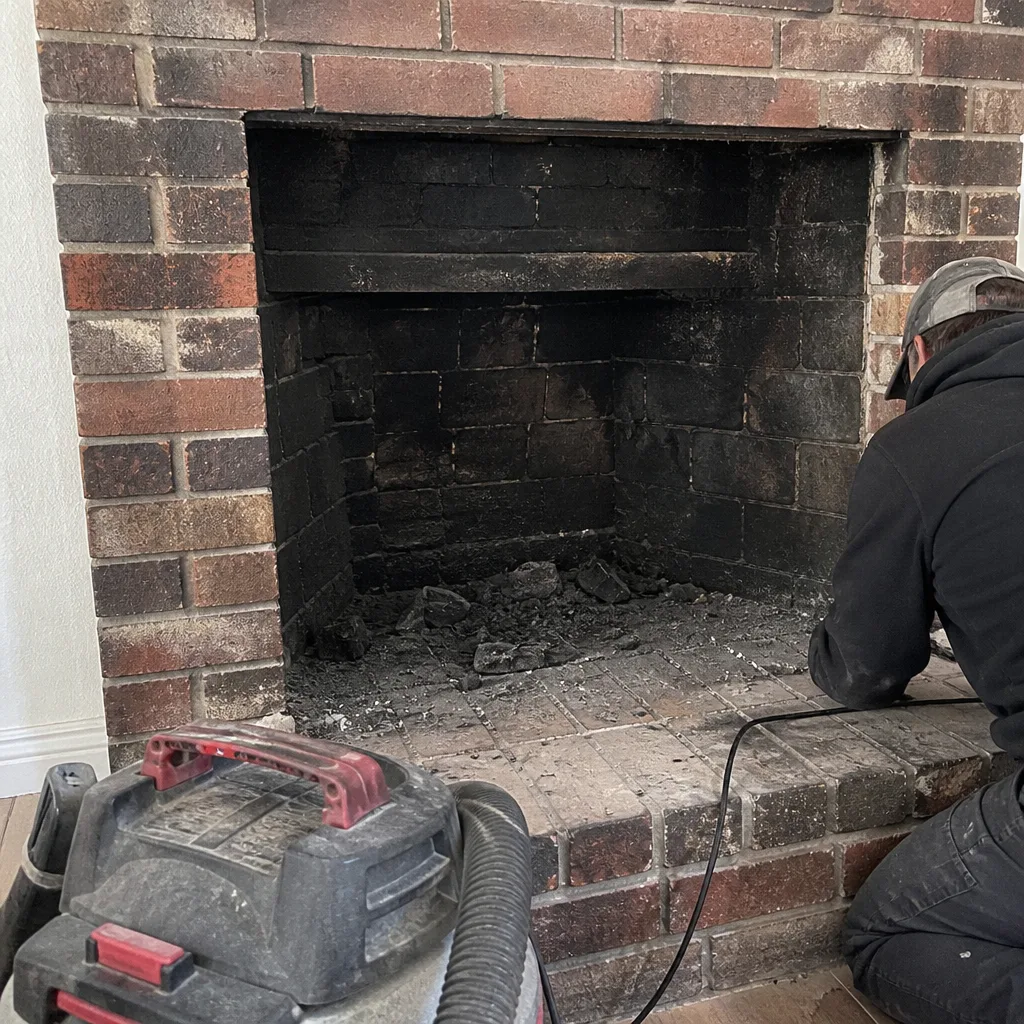 Before
 After
 Before
 After
When to Call a Professional
Not every chimney needs work. But some conditions are phone calls, not DIY checks. If you smell creosote in the house, if smoke backs into the room when you open the damper, if the crown is visibly cracked, if the cap is loose or missing, if the firebox brick has gaps, or if you’ve never had a camera inspection of the flue, that’s the point to call. South Jordan Chimney Sweep offers free estimates in South Jordan. Call (866) 937-8549 to book. We answer 24/7. Fast dispatch from 7am to 7pm, Sunday through Friday.
Our technicians have up to 11 years of experience with the professional-grade products in this guide, and we’re set up to handle the full scope: sweep, inspection, fireplace repair, structural repair, and cap and crown installation under one accountable relationship. The estimate is free. The written price is what you pay. Nothing gets recommended that you can’t see for yourself.
Frequently Asked Questions
Certified professionals specify by product category: HeatShield for ceramic flue restoration, Gelco and Famco for caps, DuraFlex and Olympia Chimney for liner systems, and Copperfield for structural products. These are the brands that supply working chimney technicians nationwide, not the retail aisle. The specific product a contractor uses should match the job. If they can’t name it, ask why. Call (866) 937-8549 for an exact quote on your chimney, and we’ll walk you through what your specific job calls for. Estimates are free.
No. A creosote sweeping log is a supplement, not a substitute. Manufacturers’ own product documentation describes the log as a maintenance aid that softens light creosote deposits so the next mechanical sweeping is more effective. It does not remove creosote on its own, inspect the flue, or diagnose defects. Use the log between sweeps, not instead of one. Call (866) 937-8549 to schedule a camera inspection and sweep.
Yes. A thicker liner handles higher exhaust temperatures and typically carries a longer manufacturer’s warranty. 24 gauge is thicker than 20 gauge, and the gauge is a real spec, not a marketing line. In a South Jordan fireplace that gets regular winter use, 24 gauge is the safer spec. Ask for the gauge in writing before installation. Call (866) 937-8549 to talk through the liner spec for your flue. Estimates are free.
South Jordan’s freeze-thaw cycles are hard on concrete crowns. Water gets into a small crack during the day, freezes overnight, and expands. A standard masonry sealant cures hard and cracks under that movement. An elastomeric crown coating flexes with the crown and keeps the seal across multiple seasons. When a crown is patched with a hardware-store sealer, the failure shows up at the first hard freeze. Call (866) 937-8549 to have your crown checked before winter.
For most single-family homes in South Jordan, 304 stainless steel is the correct spec. It’s rated for residential exhaust and local climate conditions. 316 stainless is a marine-grade alloy typically specified for coastal environments, not inland Utah. A well-fitted 304 stainless cap from Gelco or Famco is the right fit for a typical home here. Call (866) 937-8549 if you’re not sure what’s currently on your chimney.
Ask brand, gauge, and spec. A professional answers all three with names and numbers. A vague answer (“we use professional grade,” “the good stuff”) usually means they’re buying by price, not spec. The five questions in this guide take ten minutes on the phone and tell you more about the contractor than the invoice will. Call (866) 937-8549 for a free estimate and we’ll name every product before it goes on your chimney.
The Bottom Line
Chimney cleaning products don’t come with a consumer-grades label, so the burden of verifying materials falls on the homeowner. The brands certified technicians specify by name are HeatShield for interior flue restoration, Gelco and Famco for caps, DuraFlex and Olympia Chimney for liners, and Copperfield for structural products. Those names matter because the spec behind them matters: elastomeric vs. standard sealant, 24 gauge vs. 20 gauge, 304 stainless vs. 316. Ask the five questions before you book. If a contractor names their materials, you’ve found someone who knows the trade. If they don’t, ask the follow-up. If the follow-up is still vague, call (866) 937-8549 for a free estimate and we’ll answer in specifics. We answer 24/7. Fast dispatch from 7am to 7pm, Sunday through Friday.
Written by the team at South Jordan Chimney Sweep.