
Last updated November 24, 2026
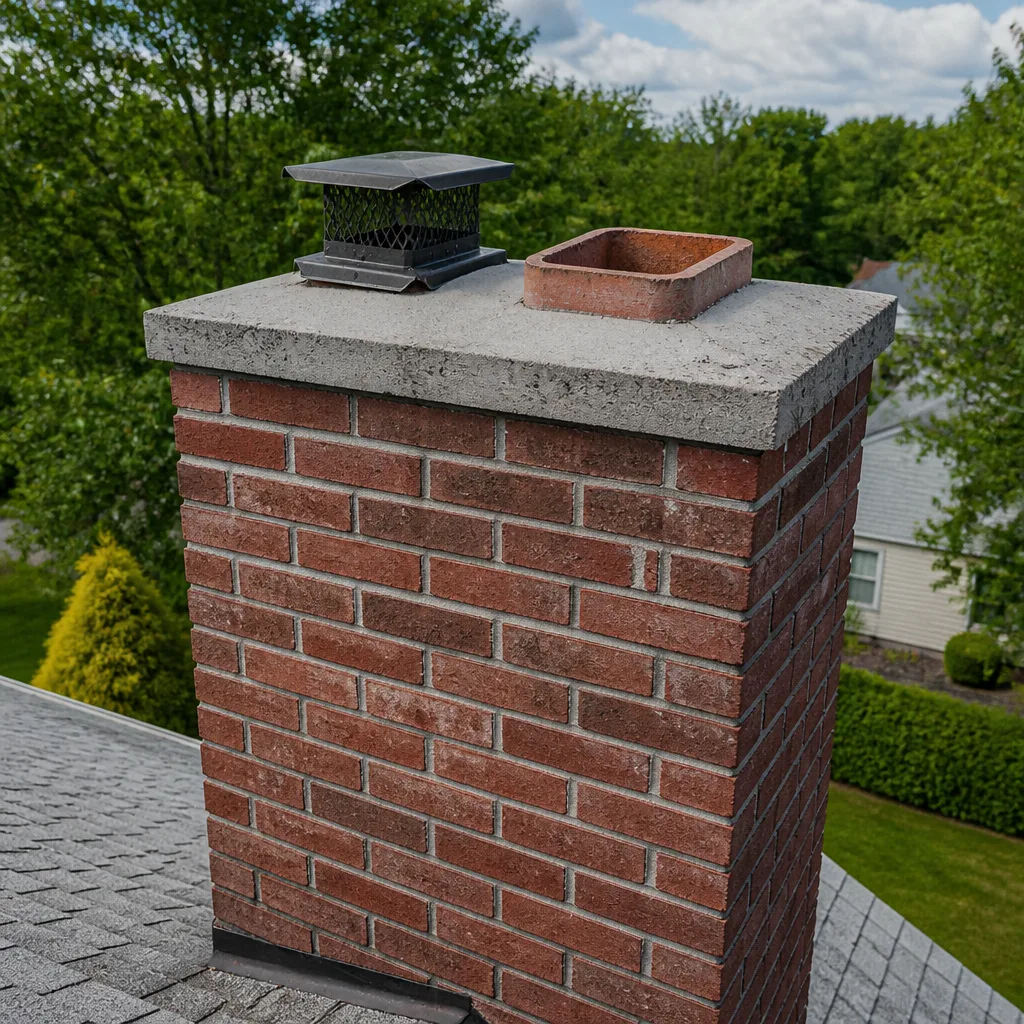 Sweep & inspection
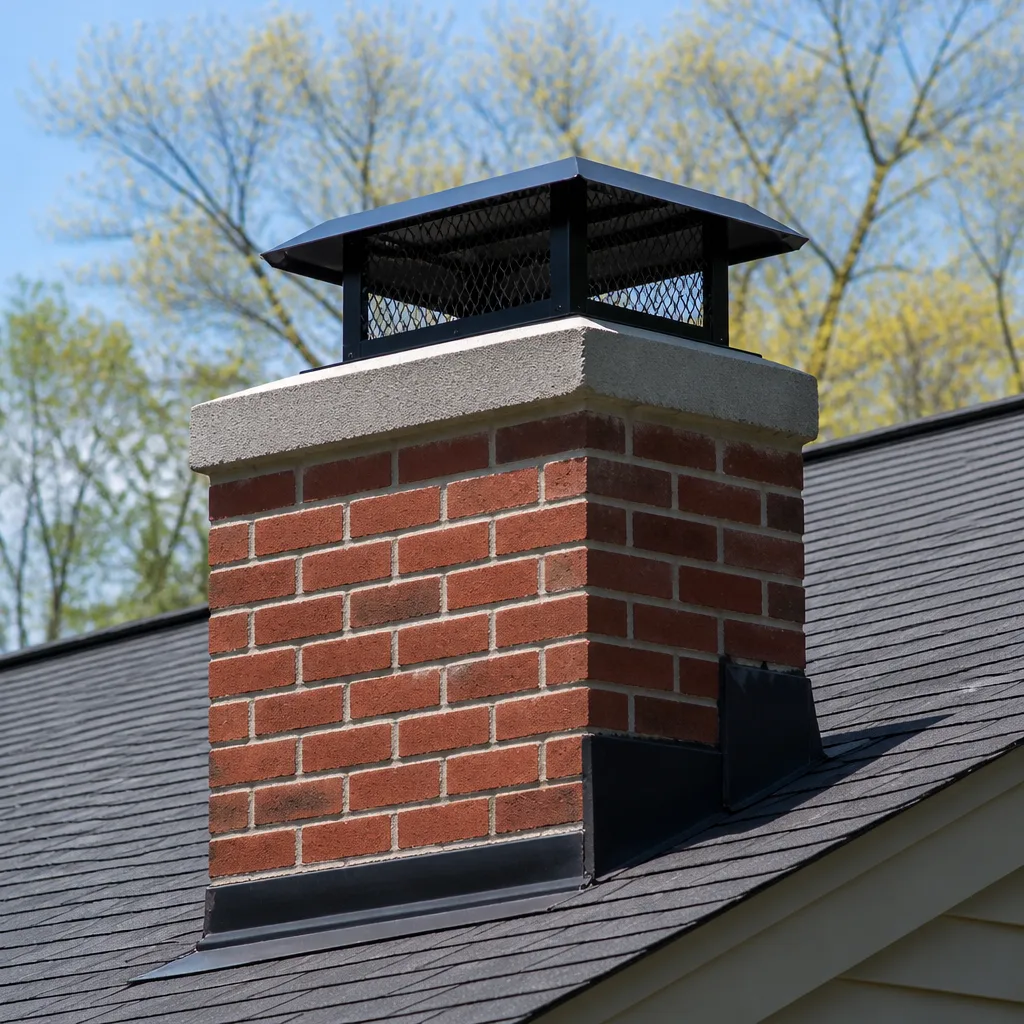 Caps & crowns
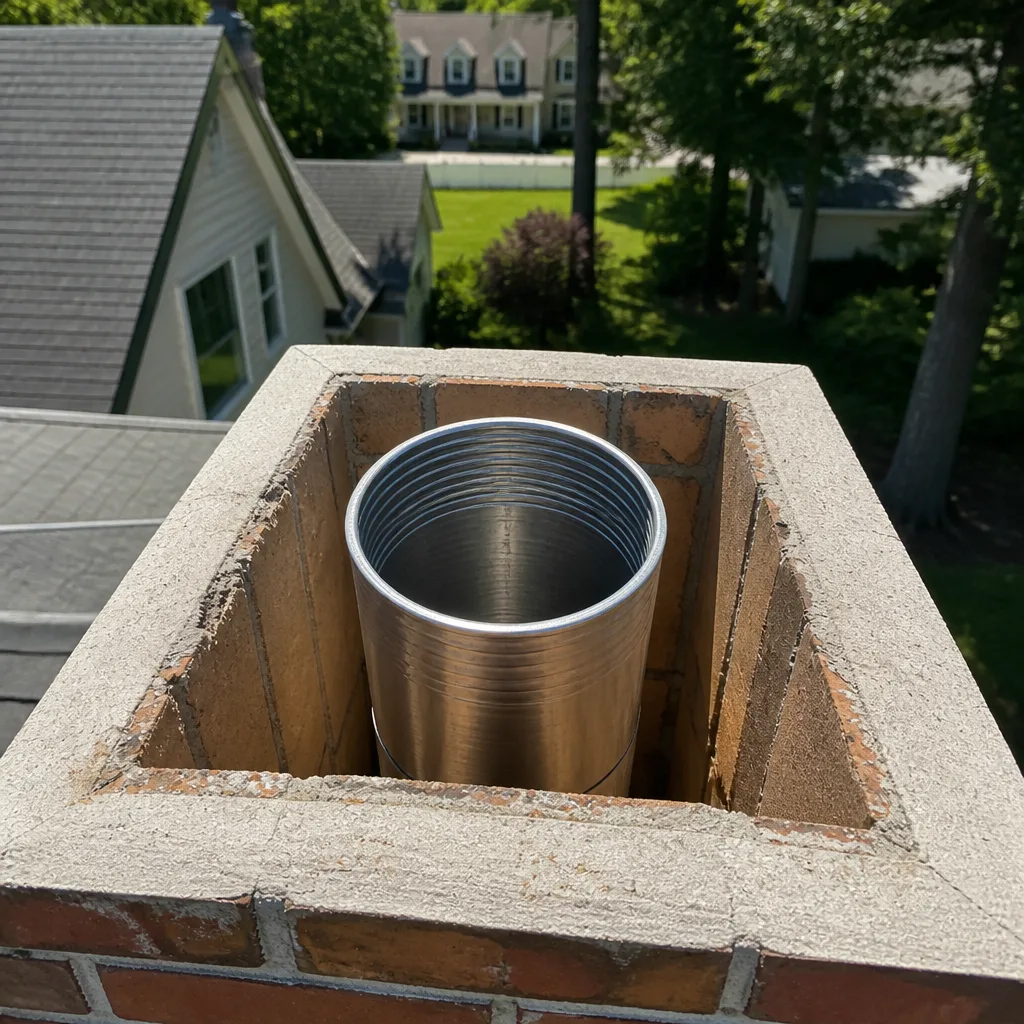 Flue relining
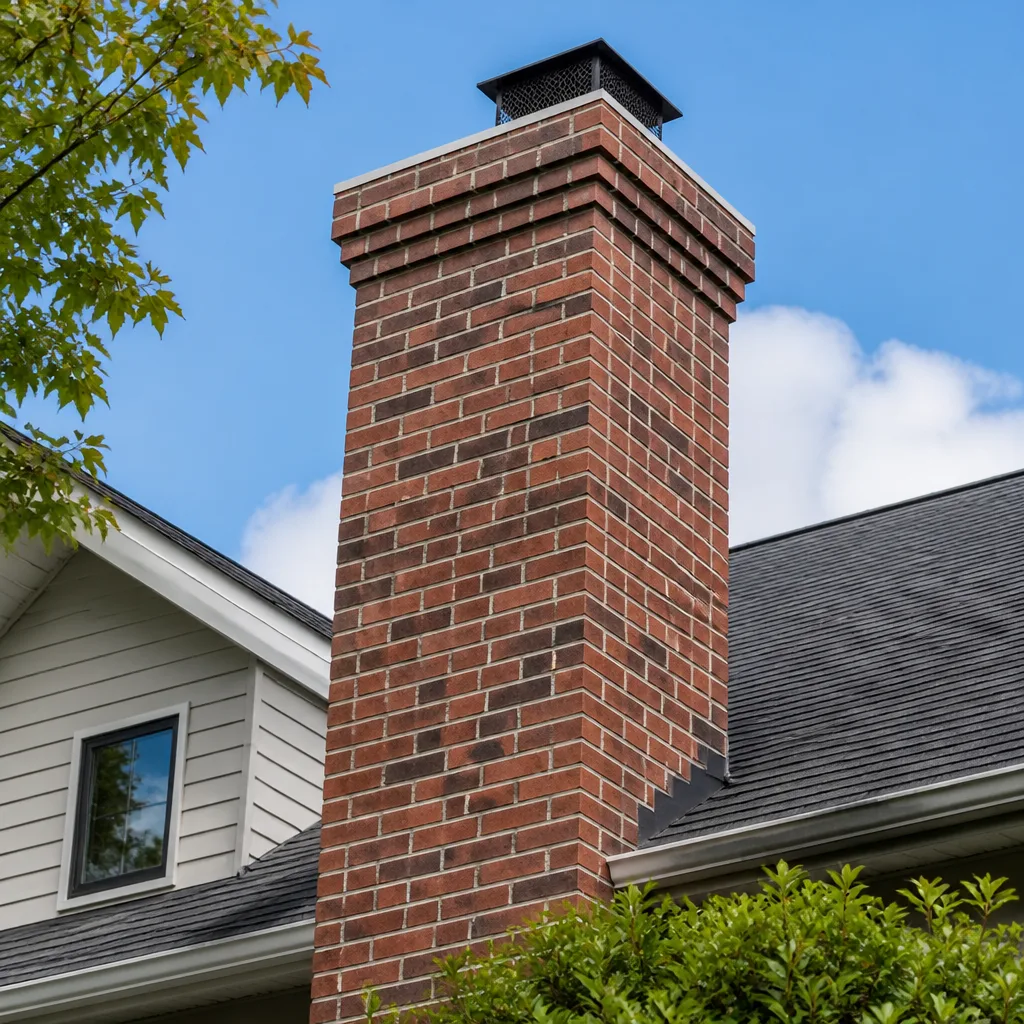 Masonry repair
 Gas fireplace service
Level 1 sweep and inspection to the NFPA 211 annual standard - flue, crown, cap, and flashing checked and photographed
Chimney sweep logs do not sweep chimneys. They loosen some creosote - which then falls where a brush and vacuum still have to collect it.
Chimney Sweep Troubleshooting in South Jordan: Common Problems and How to Fix Them
A smoky fireplace and a fireplace that won’t draft look almost identical from the sofa. That’s the trap. One is a pressure problem, the other is a blockage problem, and the fixes pull in opposite directions. Chase the wrong one and you spend money making the real issue worse. Most of what homeowners write off as bad luck with a chimney is actually a predictable failure pattern, and once you know which pattern you’re looking at, the fix stops being a mystery. In this guide we walk through the problems we see most often in South Jordan, how to tell them apart, and which ones you can watch yourself versus which need a trained sweep. Our technicians have up to 11 years of experience with exactly these calls.
Quick Answer
Most chimney problems in South Jordan come down to four root causes: a flue that’s blocked or coated with creosote, a draft issue caused by pressure or flue height, a masonry or liner defect worsened by Utah’s freeze-thaw cycles, or a missing or failing cap letting water and animals in. Diagnosing which one you have, before you light another fire, tells you whether the fix is a cleaning, a cap, a reline, or a check of your home’s pressure balance. A professional inspection confirms it with camera evidence you can see.
Styles & brands we work with
- Sweep & inspection
- Caps & crowns
- Flue relining
- Masonry repair
- Gas fireplace service
Table of Contents
- Backdraft or Smoke Spillage? Two Problems That Look the Same
- Why South Jordan’s Altitude Changes How Your Chimney Behaves
- Reading Creosote Stages as a Diagnostic Tool
- Freeze-Thaw and the Masonry Failures We See in Utah
- Caps and Crowns: The Cheapest Problem to Fix Early
- The Decision Matrix: Monitor It or Call a Sweep
- Burn Habits That Quietly Cause Chimney Problems
- What to Check Before Your First Fire of the Season
Backdraft or Smoke Spillage? Two Problems That Look the Same
Backdraft and smoke spillage both fill your living room with smoke, but they have opposite fixes, and this is where most homeowners go wrong. Backdraft is a pressure problem: air is being sucked down the flue because something in the house is pulling harder than the chimney can push. Smoke spillage is a flow problem: smoke starts up the flue and then rolls back out because the path is narrowed, blocked, or the damper is partly shut. Applying a draft fix to a blockage, or the reverse, makes the symptom worse and wastes a service call.
You can tell them apart with a paper test before you call anyone.
- Make sure the fire is fully out and the chimney is cold.
- Open the damper and confirm it’s fully open, not hanging partway.
- Crumple a sheet of newspaper, light it near the open damper, and hold it just inside the firebox.
- Watch the smoke. If it rises straight up and out, your draft is working. If it hovers, curls back into the room, or blows down toward you, something is fighting the flue.
- Repeat with the house fan, dryer, or a bathroom vent running. If the smoke behavior changes, you’ve likely found a pressure interaction.
If lighting a fire with no other fans running pulls smoke cleanly but lighting it with the range hood on causes spillage, that points to backdraft. The fix usually involves combustion air, flue height, or cap and termination issues, not a cleaning. If the smoke rolls back even with the house quiet, suspect a partial blockage or a damper problem, and that’s a chimney sweep call. South Jordan homes with tightly sealed modern construction are prime candidates for the pressure version of this because the house is starved for makeup air.
Why South Jordan’s Altitude Changes How Your Chimney Behaves
South Jordan sits at high elevation, and that changes combustion in ways most generic chimney advice ignores. At altitude, air is thinner, so a given fire gets less oxygen per cubic foot of air than the same fire at sea level. That means the fire burns differently, the flue gas temperatures run differently, and the draft your chimney can generate from a given flue height is weaker. A chimney that drafts fine in a lower-altitude city can struggle in South Jordan, and a fire that seems “lazy” may not be a chimney defect at all.
In practice, this shifts the troubleshooting logic. At altitude we look harder at:
- Flue height relative to the roofline. Because draft is weaker at elevation, a flue that’s a bit short or poorly terminated can fail here where it would pass lower down.
- Firebox size versus fire size. Oversized fires in a firebox that can’t supply enough air at elevation smolder, which produces more creosote and more smoke.
- Combustion air. With thinner air, a tightly sealed house has even less margin. Cracking a window or adding a dedicated air source sometimes resolves a “draft problem” outright.
- Burn temperature. A cooler, smoldering fire at altitude deposits creosote faster than a hot, clean burn, so burn habits matter more here.
When we troubleshoot a smoking fireplace in South Jordan, we start by asking how the fire behaves compared to fires the homeowner has had at lower elevations. That single question redirects the diagnosis more often than people expect. If you want the full picture of what a professional cleaning covers, our guide to the South Jordan Chimney Sweep process shows what we check.
Reading Creosote Stages as a Diagnostic Tool
Creosote isn’t just the stuff you clean out. Its stage tells you how the chimney has been running, and that’s a diagnostic clue worth understanding. There are three recognizable stages, and each one points to a different burn pattern.
- Stage 1: soot and light flaky deposits. This is normal buildup from regular burning. It brushes off easily during a routine sweep. A stage 1 flue generally means the fire has been burning hot and clean.
- Stage 2: shiny, hardened black deposits or crunchy flakes. This is a sign the fire has been running cooler than it should, or that the wood has been damp. It’s harder to remove and needs a proper sweep with the right tools. Stage 2 is the most common type we encounter and the one most worth catching early.
- Stage 3: glazed, tar-like creosote. This is the dangerous one. It forms when creosote is repeatedly heated into a hard glaze, and it’s highly combustible. Stage 3 buildup dramatically raises chimney fire risk and often requires more than a standard brush to remove.
Why does this matter for troubleshooting? Because the creosote stage is a readout of your burn habits. If your flue keeps returning stage 2 or stage 3 deposits between cleanings, the problem isn’t the chimney, it’s the fuel or the fire. Damp wood, a cool smoldering fire, or an undersized air supply (common at altitude) all push you toward the glazed end. Fix the burn pattern and the creosote problem shrinks. Ignore it and you’ll be cleaning the same glaze every year until it’s a fire hazard. A trained sweep can tell you which stage you’re at and what’s causing it. Professional-grade sweep tools and materials matter here, and that’s part of why we work with supply brands like Olympia Chimney and Copperfield, the same sources certified chimney professionals nationwide rely on.
Freeze-Thaw and the Masonry Failures We See in Utah
Utah’s freeze-thaw cycles are brutal on masonry, and this is where a small defect becomes a structural problem if it’s left alone through a winter. Water soaks into brick and mortar, freezes, expands, and pushes the material apart from the inside. Then it thaws, the water runs deeper, and the cycle repeats. Each winter takes a bite. The visible signs build in a predictable order, and catching them at the early stage is the difference between repointing a joint and rebuilding a section.
Signs to watch for, roughly in the order they tend to appear:
- White chalky deposits on the brick (efflorescence). Harmless on its own, but it tells you water is moving through the masonry and evaporating on the surface.
- Crumbling, sandy mortar joints. The mortar is softer than the brick, so it fails first. This is the early signal that freeze-thaw is working on the chimney.
- Spalling faces. The front of a brick flakes or pops off. This means the brick itself is saturated and freezing internally.
- Loose or missing bricks near the crown. The top of the chimney takes the most weather and fails earliest.
- Visible leaning, widening cracks, or a crown that’s pulling away. At this stage the chimney needs structural repair, not cosmetic work.
Caps and crowns are the front line against this whole sequence. A properly fitted cap keeps water and animals out of the flue, and a sound crown sheds water off the top of the chimney instead of letting it soak in. When cap work is needed, we install manufacturer-spec caps from brands like Gelco and Famco rather than generic hardware, because the fit is what keeps the water out. For structural failure, the fix belongs in our chimney repair service, where a defect found in inspection can be diagnosed and repaired in the same relationship, without a referral gap.
Caps and Crowns: The Cheapest Problem to Fix Early
A missing or damaged cap is one of the most common problems we find, and it’s also one of the least expensive to fix before it causes bigger damage. Without a cap, rain and snow go straight down the flue, birds and squirrels nest inside, and debris collects where you can’t see it. That debris, combined with moisture, accelerates creosote problems and rust in metal liners. The cap is the first line of defense, and a lot of “smoky chimney” complaints trace back to a blocked flue that a cap would have prevented.
The crown, the sloped mortar cap at the top of the chimney, does the same job at a different scale. A cracked crown lets water soak down through the masonry, which is exactly how the freeze-thaw damage described above gets started. A sound crown sheds water off the top and away from the flue opening. When we install a crown or a cap, we fit it to spec for the flue it sits on, which is why we source caps from brands built for chimney-industry use rather than whatever’s on a hardware-store shelf. A cap that’s the wrong size or sits wrong can actually restrict draft, so fit and termination height matter.
Caps and crowns sit in the same family of work as the rest of our chimney repair service, and it’s the kind of problem a routine inspection catches long before you’d notice it from inside. If you’ve never had your cap checked, that’s a good reason to book an inspection.
The Decision Matrix: Monitor It or Call a Sweep
Not every chimney symptom is a call-a-sweep-today problem, and treating them all that way wastes your money. Not every symptom is safe to ignore, either. Here’s the framework we use to sort them, which you can apply yourself.
- Safe to monitor yourself: White efflorescence on exterior brick with no crumbling. A slightly smoky start-up that clears once the flue warms. Light soot visible at the firebox. These are worth noting and watching at your next inspection.
- Fix before the next fire, but not urgent tonight: A missing or loose cap. A cracked crown that isn’t yet causing interior leaks. Stage 2 creosote that’s building faster than expected. Schedule a sweep or repair before your next burn season.
- Stop burning and call a sweep now: Smoke that rolls back into the room even with the house quiet. Glazed, tar-like creosote visible in the flue. Cracks in the flue liner or a liner that’s pulling away. Any leaning or widening crack in the chimney structure. A strong smoky odor that lingers when the fireplace is cold.
The dividing line is whether the problem could let heat, embers, or carbon monoxide reach parts of the house that weren’t built for it. Smoke spillage, glazed creosote, and liner defects all cross that line, which is why they stop the burn. A missing cap or a cosmetic crack doesn’t, as long as you deal with it before the next cold snap starts another freeze-thaw cycle. When in doubt, an inspection settles it with evidence instead of a guess. That’s the whole reason we lead with camera inspection: nothing gets recommended that you can’t see for yourself.
Burn Habits That Quietly Cause Chimney Problems
Most chimney problems we’re called to aren’t manufacturing defects or bad luck. They’re the result of how the fire is run, season after season. South Jordan’s high altitude tightens the margin on every one of these, so habits that would be minor at sea level matter more here.
- Burning unseasoned wood. Wet wood has to boil off its moisture before it can burn, which runs the fire cool and lays down creosote. Seasoned, dry wood burns hotter and cleaner.
- Running a smoldering fire. A fire that’s starved of air or choked down for a slow burn runs cool, and cool fires are creosote factories. At altitude, the thinner air already limits oxygen, so an undersized air supply makes smoldering more likely.
- Oversized fires. A roaring fire in a firebox that can’t supply enough air at elevation can overfire the flue and stress the liner. Match the fire to the firebox.
- Burning trash, wrapping paper, or treated wood. These deposit corrosive compounds and can create a chimney fire risk. Stick to dry, untreated firewood.
- Leaving the damper partly closed. A half-closed damper narrows the flue and causes the exact smoke spillage we described earlier. Open it fully before you light.
None of these habits alone wrecks a chimney. Run together over a few winters, they’re the difference between a flue that cleans up easily and one that needs a reline. If your wood supply isn’t reliably dry, that’s the first thing to change.
What to Check Before Your First Fire of the Season
A few minutes of checking before the first cold night of the year prevents most of the problems in this guide from ever starting. This is the routine we recommend to every South Jordan homeowner, and it’s the kind of check a professional inspection covers in depth.
- Look up the outside of the chimney. From the ground, check the cap, the crown, and the brick for anything loose, cracked, missing, or leaning. Note anything that wasn’t there last year.
- Open the damper and look up the flue. With a flashlight, check for visible blockage, animal nests, or heavy soot. If you see glazed tar or can’t see up, stop and book a sweep.
- Run the paper test. Light a small piece of newspaper near the open damper and watch the smoke. It should rise cleanly. If it rolls back, don’t light a real fire until it’s diagnosed.
- Clear the firebox of old ash and debris. A clean firebox burns better and lets you see problems clearly.
- Check your smoke and carbon monoxide detectors. Replace batteries, and test that both are working. A chimney problem you can’t see is exactly what these are for.
- Confirm your wood is dry. Split, stacked, and covered, ready before the first burn.
If anything on this list gives you pause, or if it’s been more than a season since your last professional cleaning, that’s the moment to book an inspection. The same goes for fireplace repair if the damper, doors, or firebox itself is showing wear. A documented inspection and a photo report mean you know what you’re dealing with before the first fire, not after.
Common Mistakes to Avoid
- Applying a draft fix to a blockage. If the smoke rolls back even with the house quiet, throwing air at it won’t help. The flue is likely blocked and needs a sweep to clear it.
- Ignoring a cracked crown through the winter. A cracked crown is minor in September and expensive after a Utah freeze-thaw season pushes water into the masonry. Fix it before the cold sets in.
- Burning damp or green wood to save a trip. Wet wood runs a cool fire and lays down creosote faster, especially at South Jordan’s altitude. It’s the most common cause of stage 2 and 3 buildup we see.
- Assuming a cap is a cap. A wrong-sized or poorly terminated cap can restrict draft or fail to keep water out. The cap needs to fit the flue it sits on.
- Burning through a smoky start-up instead of checking it. A little smoke at start-up is normal; smoke that keeps rolling back after the flue warms is a problem worth stopping for.
- Skipping the inspection because the fire “seems fine.” Many of the worst problems, from glazed creosote to liner cracks, show no symptom you can see from the living room. The inspection is how you find them.
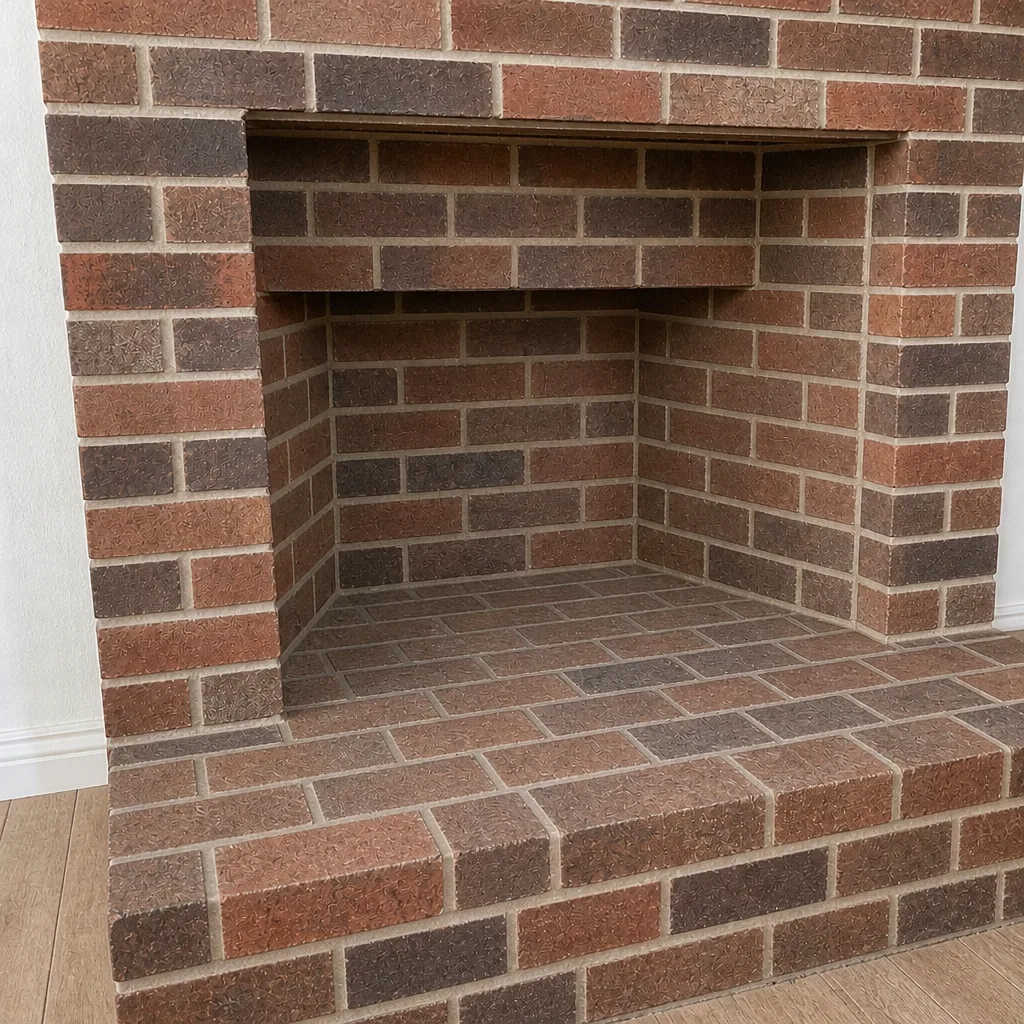
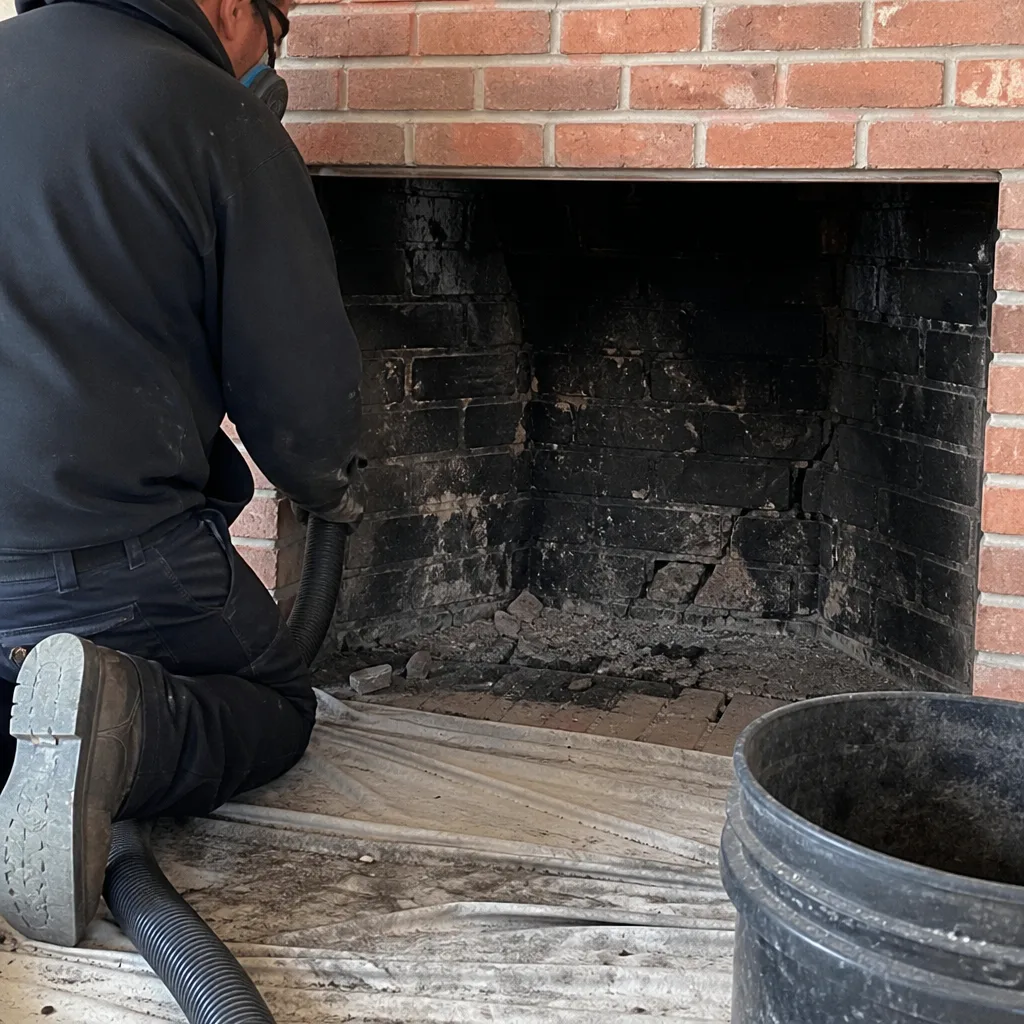
See the difference
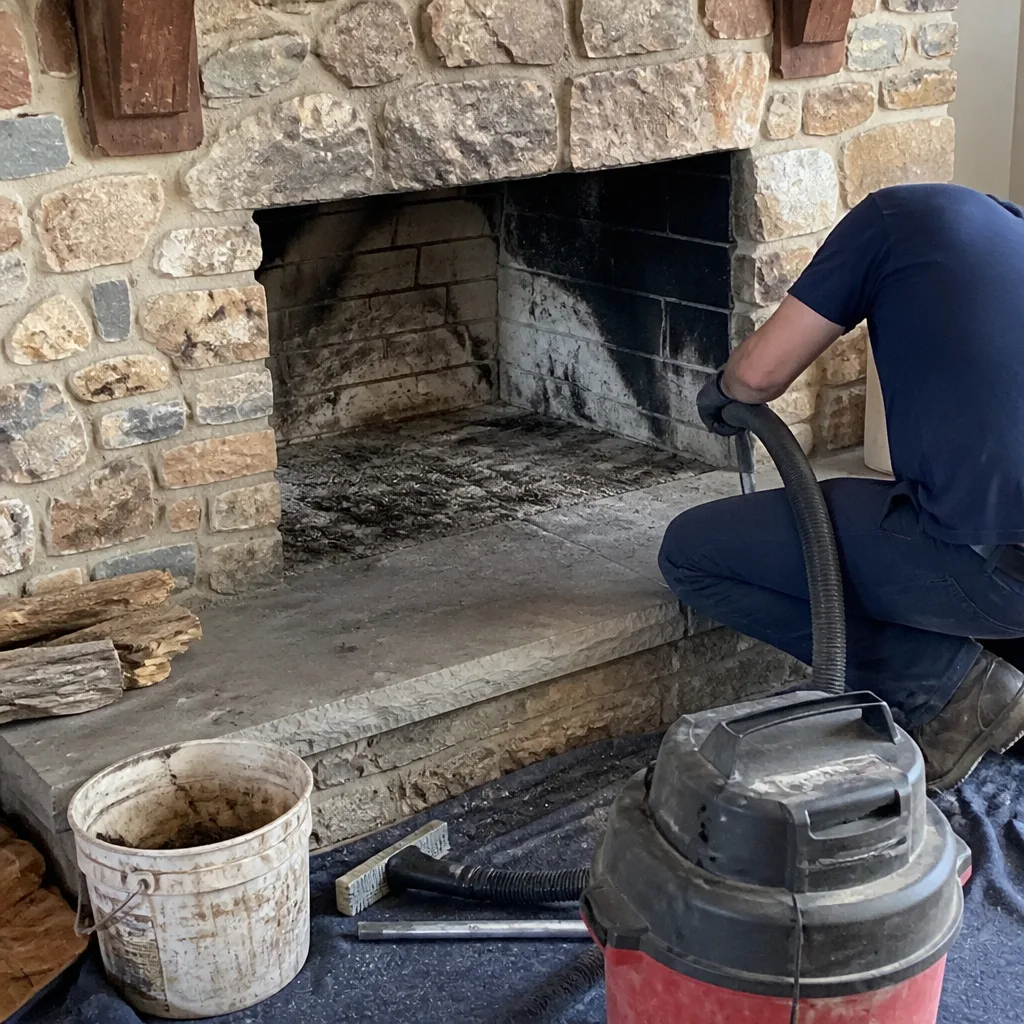 Before
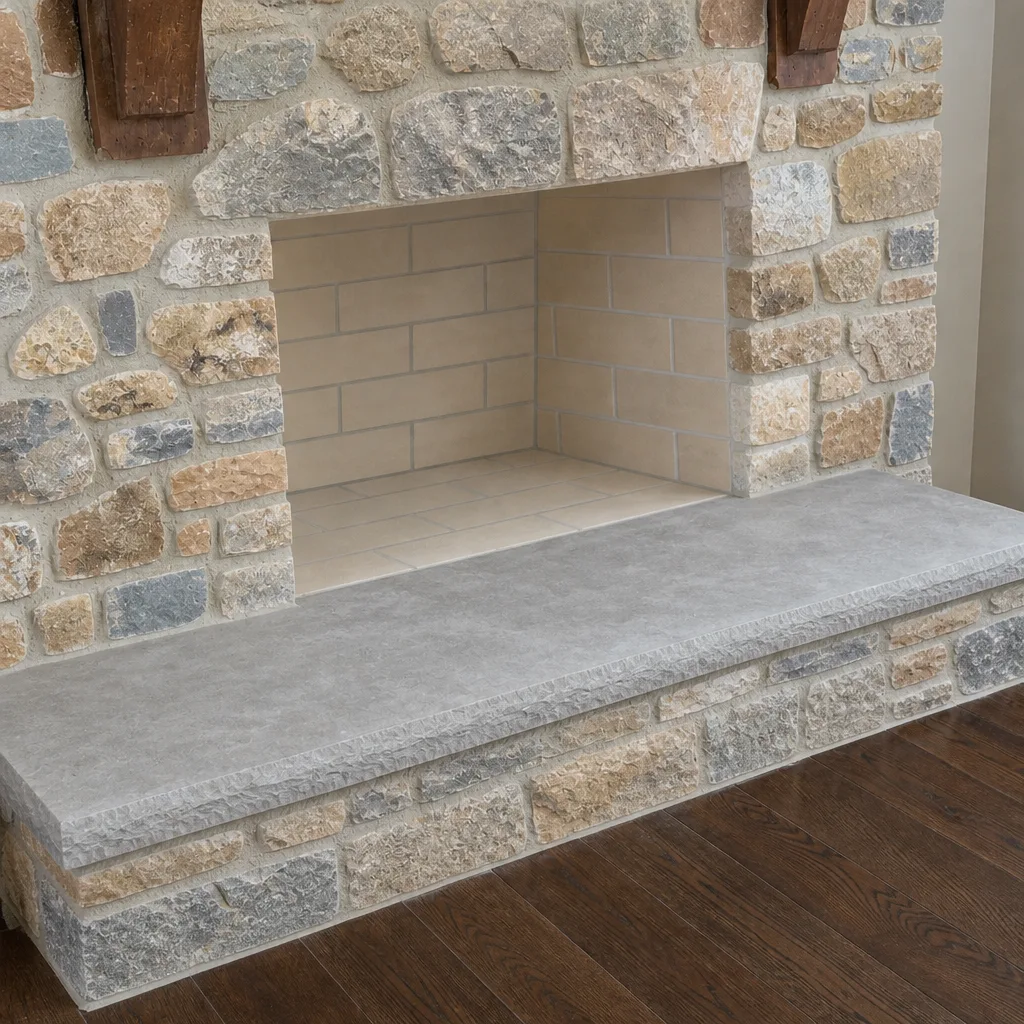 After
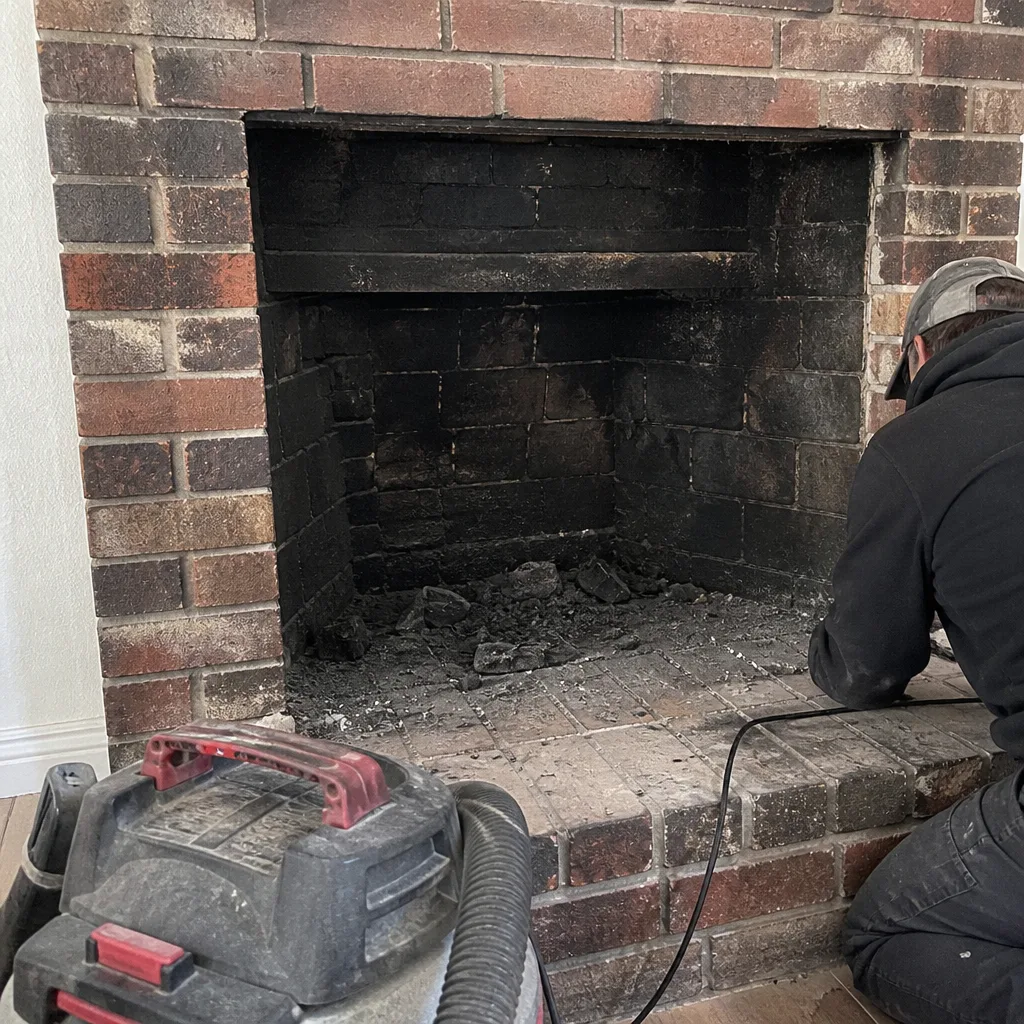 Before
 After
 Before
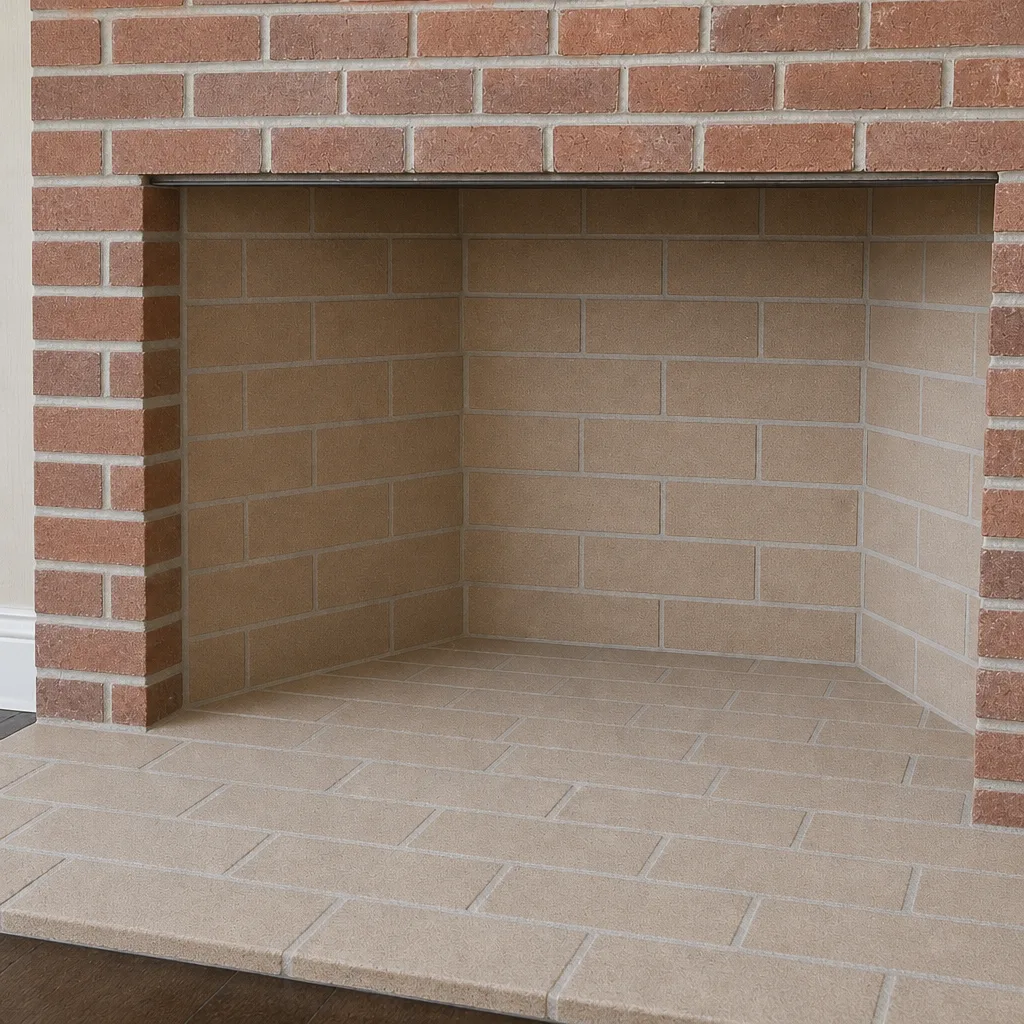 After
When to Call a Professional
Call a trained sweep when smoke rolls back into the room even with the house quiet, when you see glazed or tar-like creosote in the flue, when there are cracks or separation in the liner, or when the exterior masonry shows crumbling mortar, spalling brick, or a leaning structure. Call if a cap is missing or damaged, or if the crown is cracked and letting water in. Call if it’s been more than a season since your last cleaning, if you’ve had a chimney fire, or if you’re moving into a home and don’t know its chimney history. South Jordan Chimney Sweep offers free estimates in South Jordan. We answer 24/7. Fast dispatch from 7am to 7pm, Sunday through Friday. The price is set per job by the written estimate, and nothing gets recommended without camera evidence you can see for yourself. Call (866) 937-8549.
Frequently Asked Questions
Chimneys should be swept once a year when the fireplace is used regularly, or sooner if creosote builds quickly. South Jordan’s high altitude and dry, cold winters tend to produce cooler fires that deposit creosote faster than a lower-altitude home, so an annual inspection that checks creosote stage is worth doing. Call (866) 937-8549 for an exact quote; estimates are free.
Smoke rolling into the room usually means either a blockage in the flue or a pressure/draft problem, and the two need opposite fixes. Run the paper test with the house fans off. If smoke still rolls back, suspect a blockage and book a sweep. If it clears with the fans off, you’ve likely got a pressure issue. Call (866) 937-8549 for an exact quote; estimates are free.
You need a new liner only if the existing liner is cracked, separated, or damaged beyond repair, and that should be proven with camera evidence you can see during the inspection. A liner that’s intact with glazed creosote needs cleaning, not replacement. Ask to see the camera footage before agreeing to anything. Call (866) 937-8549 for an exact quote; estimates are free.
Skipping a sweep lets creosote and soot accumulate, which raises the risk of a chimney fire and can mask a developing structural problem like a cracked crown or liner. The fire may seem fine while the flue behind it is loading up. Call (866) 937-8549 for an exact quote; estimates are free.
White chalky deposits, called efflorescence, are harmless on their own and mean water is passing through the masonry and evaporating on the surface. It’s an early signal worth noting, not a reason to panic, but it’s the first sign of the freeze-thaw damage that South Jordan winters can accelerate. Call (866) 937-8549 for an exact quote; estimates are free.
You can safely run the paper test, check the damper is fully open, look for visible blockages with a flashlight, and inspect the exterior for loose or cracked masonry. What you shouldn’t do is try to clear a blocked or glazed flue yourself, reach inside a flue, or work on the roof. Those are jobs for a trained sweep. Call (866) 937-8549 for an exact quote; estimates are free.
The Bottom Line
Most chimney problems in South Jordan are predictable, not random. Backdraft and smoke spillage look identical but need opposite fixes, so the paper test is worth running before you call anyone. Altitude makes combustion air and fire temperature matter more here, which is why burn habits change how fast creosote builds. Creosote stage tells you how the chimney has been running, and glazed stage 3 is the one that stops a fire. Utah’s freeze-thaw cycles push masonry failures in a predictable order, and caps and crowns are the cheap fix that prevents the expensive one. When a symptom crosses into smoke spillage, glazed creosote, liner cracks, or structural movement, stop burning and call a professional.
Whether you’re troubleshooting a smoky fireplace, booking an annual chimney sweep, or you just want a documented report before the next fire, South Jordan Chimney Sweep is ready to help. We offer the full chimney service spectrum under one company, so a defect found in inspection can be diagnosed and repaired in the same relationship. We work with professional-grade supply brands like Olympia Chimney, DuraFlex, Copperfield, and HeatShield, and we use HeatShield ceramic repair technology for flue restoration. Call (866) 937-8549 for a free estimate. We answer 24/7. Fast dispatch from 7am to 7pm, Sunday through Friday. The price is set per job by the written estimate, with flat prices agreed before booking.
Written by the team at South Jordan Chimney Sweep.