
Last updated November 24, 2026
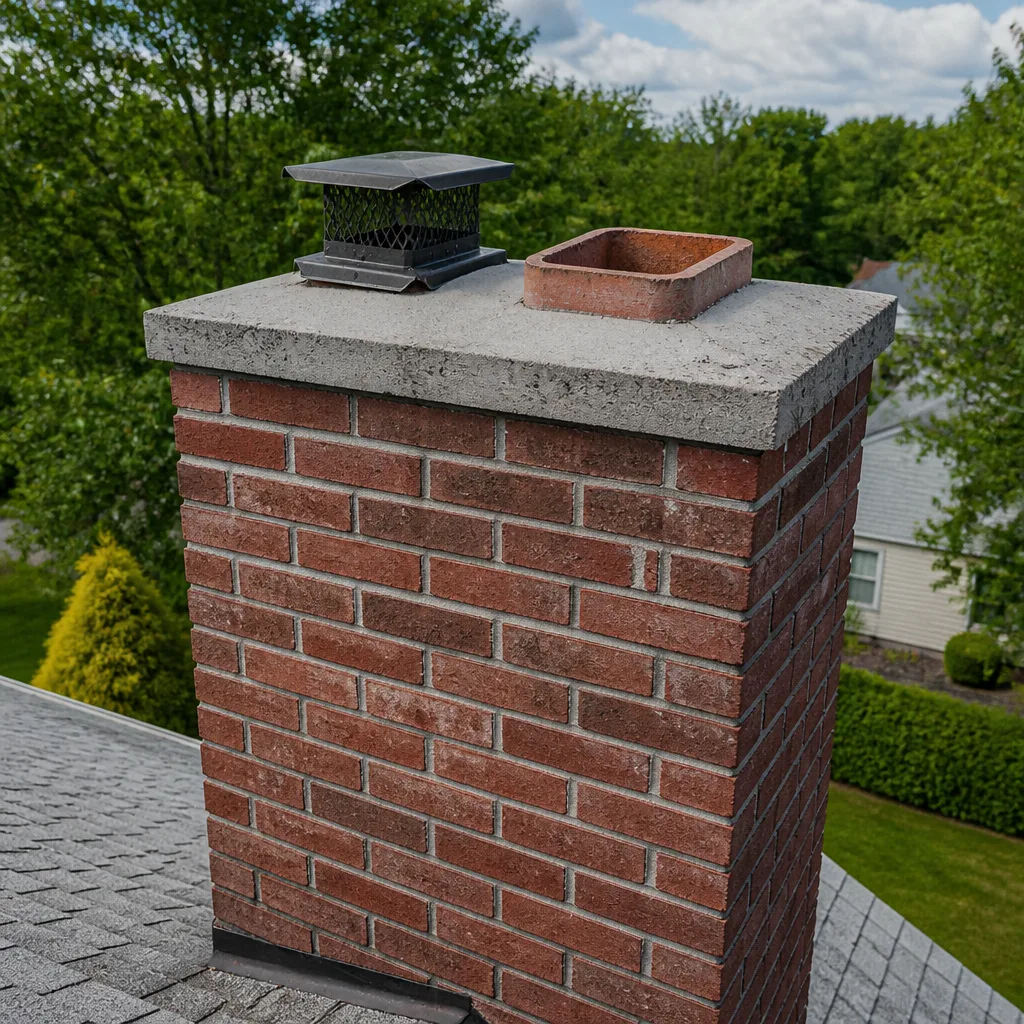 Sweep & inspection
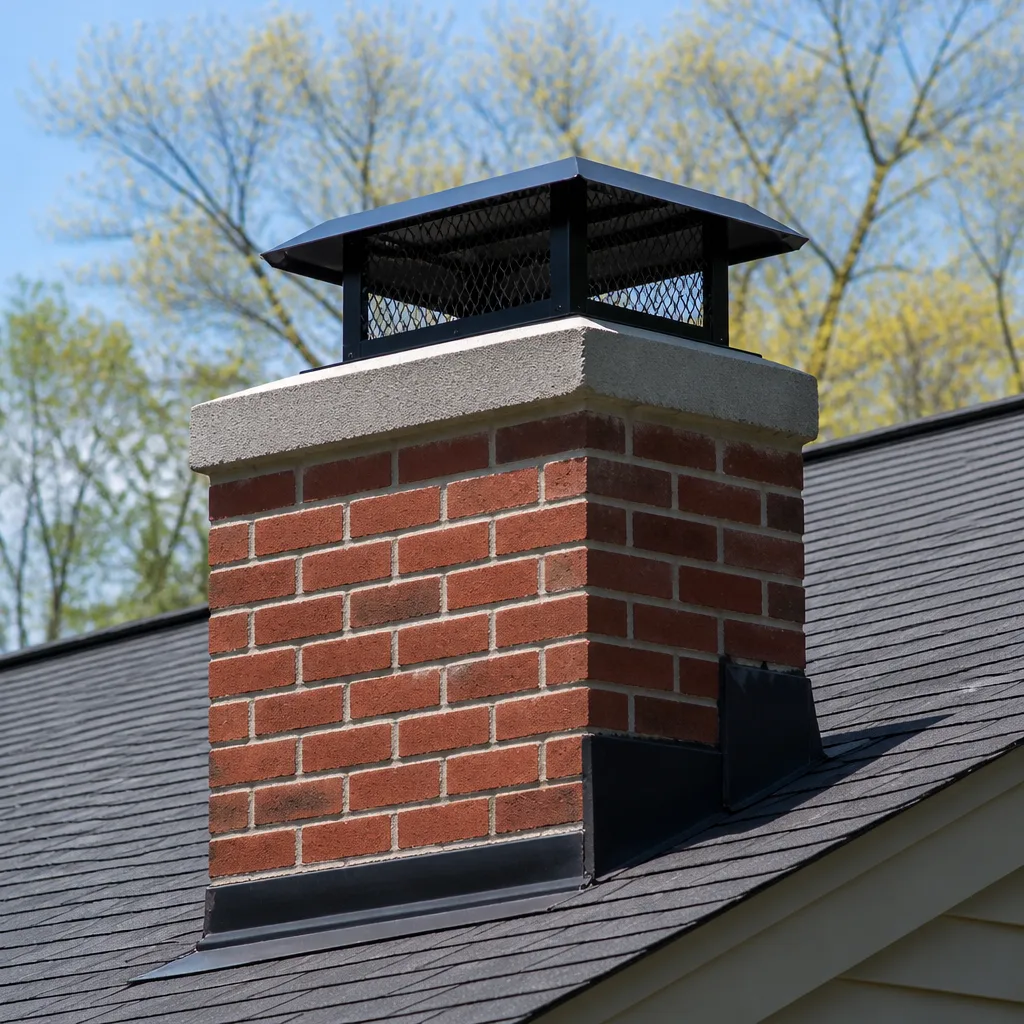 Caps & crowns
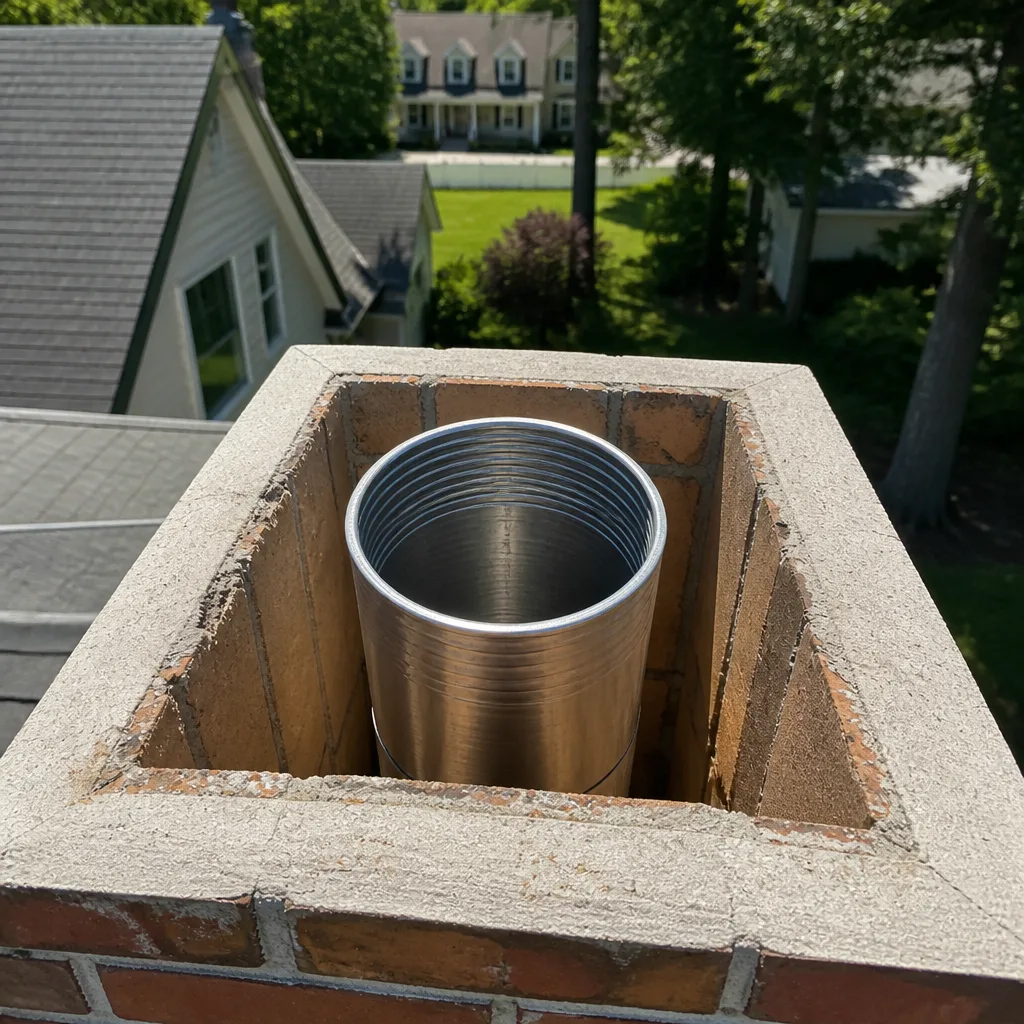 Flue relining
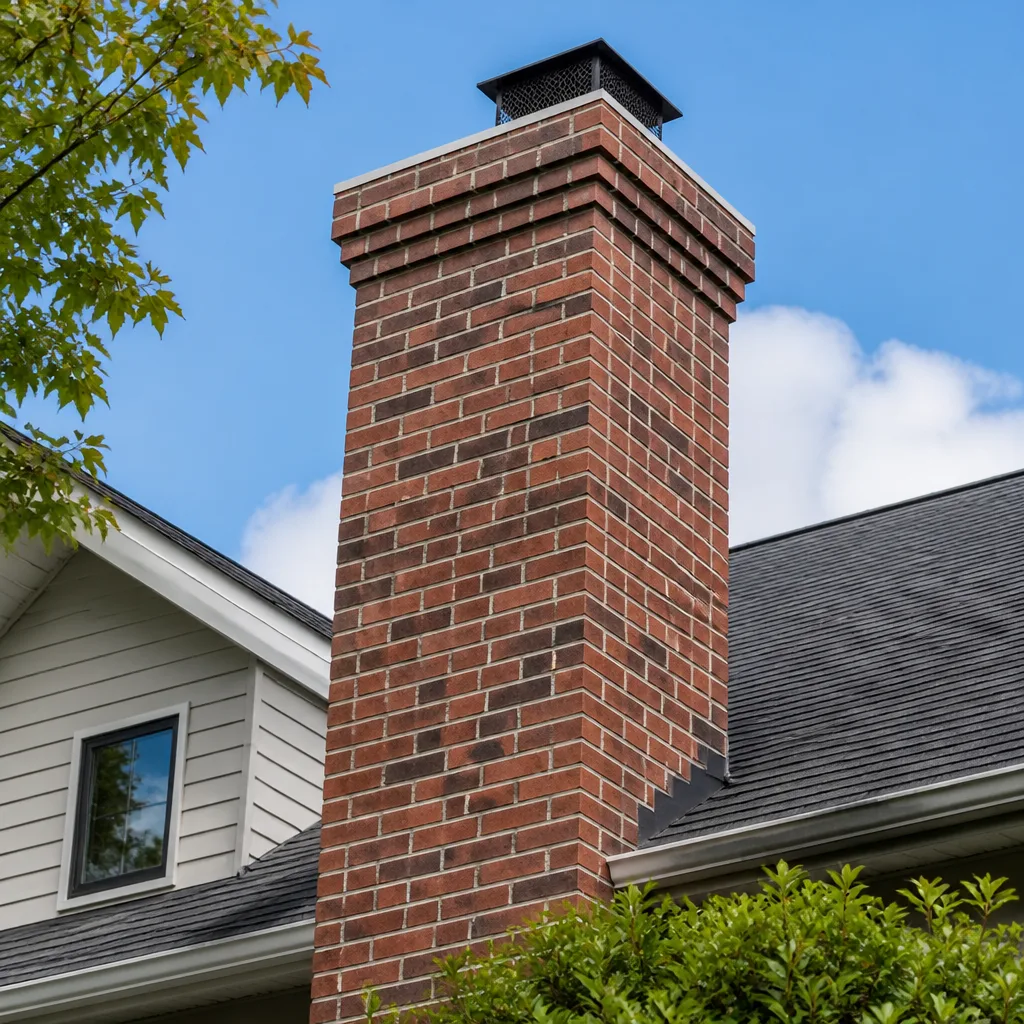 Masonry repair
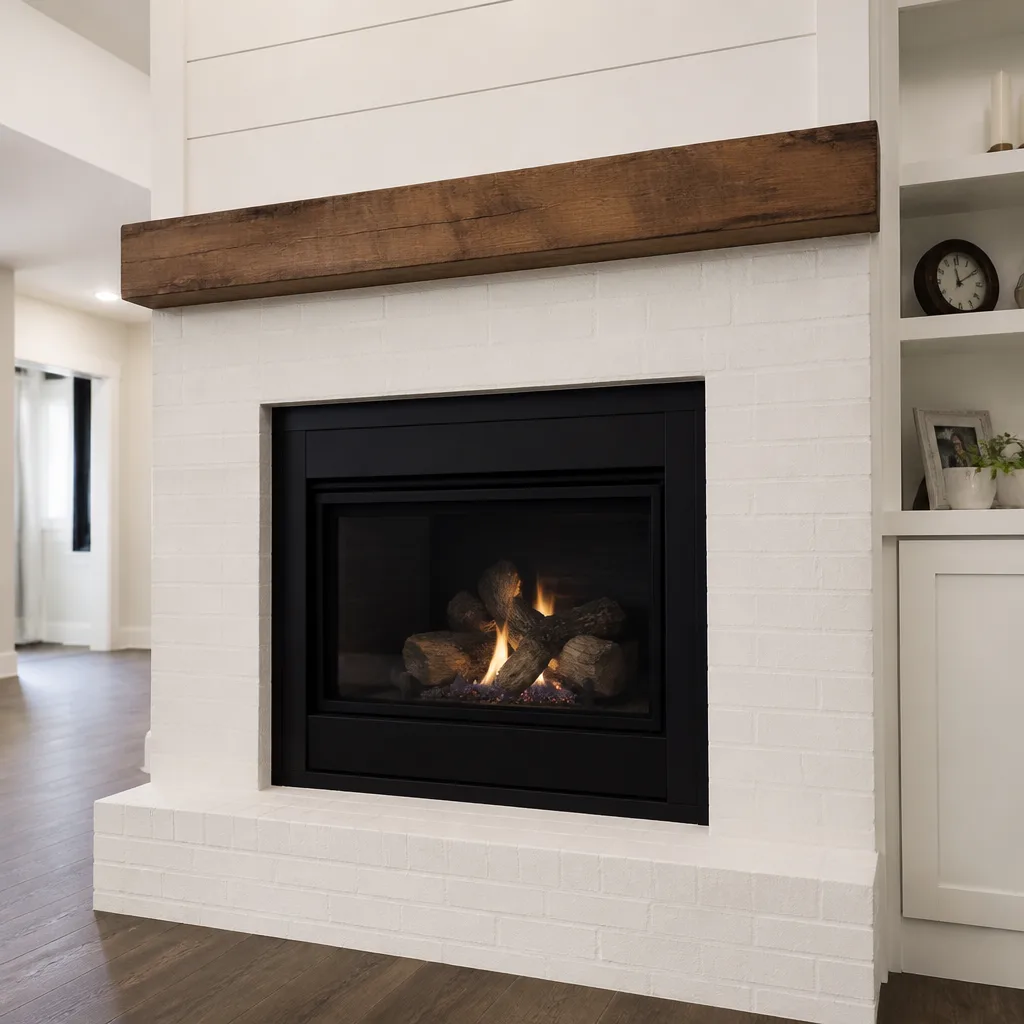 Gas fireplace service
Level 1 sweep and inspection to the NFPA 211 annual standard - flue, crown, cap, and flashing checked and photographed
Chimney sweep logs do not sweep chimneys. They loosen some creosote - which then falls where a brush and vacuum still have to collect it.
Chimney Sweep Maintenance Schedule: What to Do and When
Most homeowners believe one annual sweep covers everything. It doesn’t. A gas fireplace owner who skips inspections because there’s “no wood, no creosote” can end up with a flue liner corroding faster than a wood-burner’s, and a pellet stove running eight months a year needs eyes on it more than once. The right schedule depends on three things: what you burn, how often you burn it, and how old the chimney is. This guide lays out separate maintenance tracks for wood, gas, and pellet appliances, the South Jordan seasonal window that makes scheduling easiest, and the burn-log method that tells you when a mid-season cleaning is actually warranted.
Styles & brands we work with
- Sweep & inspection
- Caps & crowns
- Flue relining
- Masonry repair
- Gas fireplace service
Quick Answer
The baseline chimney maintenance schedule is one professional sweep and Level 1 inspection per year for any appliance you use regularly, done in late summer or early fall before heating season. Wood-burning fireplaces used heavily may need a mid-season cleaning based on creosote buildup, gas appliances still need an annual inspection even without soot, and any chimney that has changed fuel type, survived a chimney fire, or shows visible damage needs a Level 2 inspection. South Jordan’s dry summers and cold winters make late August through early October the sweet spot for booking.
Table of Contents
- Why One Schedule Doesn’t Fit Every Chimney
- The Wood-Burning Maintenance Track
- The Gas Appliance Maintenance Track
- The Pellet Appliance Maintenance Track
- The South Jordan Seasonal Window: Why Late Summer to Early October Matters
- Level 1 vs. Level 2 Inspections: What’s the Difference and When Do You Need Each?
- Cap and Crown Inspection After Utah’s Spring Hail Season
- The Burn-Log Method: Tracking Cords and Knowing When to Call Mid-Season
- Common Mistakes to Avoid
- When to Call a Professional
- Frequently Asked Questions
- The Bottom Line
Why One Schedule Doesn’t Fit Every Chimney
A chimney is a system that reacts to what you put through it. Burn seasoned hardwood and you build up creosote at one rate. Burn pellets and you get a different residue profile entirely. Run a gas log set and you produce almost no visible soot but a steady stream of moisture and mildly acidic condensate that attacks the flue liner from the inside. Treating all three the same is the reason so many homeowners either over-maintain (sweeping a lightly used gas fireplace twice a year) or under-maintain (assuming a gas appliance needs nothing at all).
Add chimney age to the equation and the schedule shifts again. An older masonry chimney with a clay tile liner that’s already seen thirty winters of freeze-thaw cycles needs closer watching than a newer one. A prefabricated metal chimney with a stainless liner from a brand like DuraFlex may hold up better to moisture but still needs its joints and cap checked annually.
Here’s the practical takeaway: build your schedule around three variables:
- Fuel type – wood, gas, or pellet, each with different residue and inspection triggers
- Burn frequency – a fireplace lit three times a season is not the same as one burning five nights a week from November through March
- Chimney age and construction – masonry with clay tile, masonry with a cast-in-place liner, or factory-built metal
When we inspect a chimney in South Jordan, those three questions come first because they determine everything else. The answers tell us whether the homeowner needs the standard annual visit or something more frequent, and they tell us what to look for inside the flue. The South Jordan Chimney Sweep team works across all three fuel types, so the schedule below is built from what we actually see in South Jordan homes, not a generic checklist.
The Wood-Burning Maintenance Track
Wood-burning fireplaces and inserts follow the most familiar schedule: one professional sweep and Level 1 inspection per year, plus a mid-season cleaning if creosote accumulation warrants it. The annual sweep clears soot and creosote from the flue, and the inspection confirms the liner, damper, firebox, and cap are all still sound before you light the first fire of the season.
Creosote is the variable that determines whether one sweep a year is enough. It forms in three stages: a light, flaky soot that brushes off easily; a crusty, tar-like deposit that takes more work; and a glazed, hardened layer that’s genuinely difficult to remove and carries the highest chimney fire risk. How fast you reach stage two or three depends on wood moisture, burn temperature, and how often the fireplace runs.
What drives creosote faster:
- Unseasoned or “green” wood with high moisture content
- Cool, smoldering fires with the damper partly closed
- Dampers left open too long after the fire dies, cooling the flue
- Oversized fireboxes relative to the fire you actually build
Our technicians have up to 11 years of experience, and one pattern comes up repeatedly: homeowners who burn well-seasoned hardwood hot and clean see far less creosote than those who load up a smoldering fire and let it ride. If your wood sizzles or hisses when you put it in, it’s not ready, and it’s costing you a faster buildup.
Wood-burning annual schedule, step by step:
- Late summer (August-September): book your annual sweep and Level 1 inspection
- Before first burn: confirm damper operates freely, cap is intact, no visible cracks in firebox
- Mid-season (January-February, if burning heavily): check for visible creosote flaking at the damper and smoke chamber; call if accumulation looks significant
- End of season: close the damper, check the cap after any late-winter storms, note total cords burned in your log
If your inspection turns up a cracked firebox, deteriorating damper, or damaged refractory panels, that’s fireplace repair territory, and it’s better handled before the next heating season than patched mid-winter. The whole point of an annual schedule is catching these before they become urgent.
The Gas Appliance Maintenance Track
Here’s the misconception that costs gas fireplace owners the most: “No wood, no creosote, so I don’t need a chimney sweep.” Gas appliances still need an annual inspection, and arguably a more careful one than a wood fireplace, because the residues they produce are invisible.
Gas produces water vapor as a byproduct of combustion. That moisture condenses on the inside of the flue, and when it combines with trace combustion byproducts it forms a mildly acidic solution that eats into flue liners, mortar joints, and metal venting over time. On top of that, gas fireplaces and log sets can leave behind dust, insect debris, and rust that a visual check from the firebox alone won’t reveal.
Because there’s no soot to remind you, the annual inspection is the only reliable signal. Skip it for two or three seasons and you can end up with a liner that’s already begun to fail without a single visible sign from the living room.
Gas appliance annual schedule:
- Annual Level 1 inspection: check the flue for moisture damage, corrosion, and obstruction from the firebox up through the cap
- Check the vent termination and cap for nests, debris, and rust
- Confirm the glass doors, logs, and burner assembly are intact (a cracked log or displaced burner can affect combustion)
- If the liner shows signs of corrosion or moisture damage, a Level 2 inspection with a camera follows, and repair using HeatShield or a new liner from a brand like Olympia Chimney may be warranted
Gas appliance owners in South Jordan often ask whether they can stretch the interval to two years. Our answer: an annual inspection is what the schedule calls for, and a camera or visual check is the only way to know whether your specific venting is holding up. When inspection reveals interior liner damage, HeatShield ceramic repair is the kind of professional-grade restoration product we use because it’s designed specifically for flue rehabilitation and isn’t available through general handymen. If the problem is more extensive, a DuraFlex or Olympia Chimney liner replacement restores a safe path for exhaust gases.
The Pellet Appliance Maintenance Track
Pellet stoves and inserts sit between wood and gas in maintenance demands. They burn cleaner than a fireplace but run more hours per season for many owners, often from October through April. Pellet fuel produces less creosote than firewood, but it still produces ash, and the venting system accumulates fly ash that can restrict airflow and cause the appliance to run poorly or shut down.
The annual professional service on a pellet appliance covers two things: the appliance itself (burn pot, auger, ash traps, heat exchanger) and the venting system (flue, cleanout tee, and cap). The manufacturer’s manual governs the exact service interval for the appliance’s mechanical parts, but the chimney side still follows the annual inspection rule.
Pellet appliance annual schedule:
- Before heating season (September-October): professional cleaning of the venting system and Level 1 inspection
- Every 1-2 tons of pellets or per the appliance manual (whichever is sooner): clean the burn pot, ash traps, and heat exchanger
- After the season ends: clean out the firebox and ash pan, inspect the vent cap, and check for ash accumulation in the cleanout tee
- Annually: verify the venting joints are sealed and secured, no gaps, no terminations that have drifted loose
Pellet venting is often horizontal or has a cleanout tee, and those configurations collect fly ash faster than a straight vertical flue. In our experience with South Jordan pellet stoves, the cleanout tee is the most common spot for a restriction that no one notices until the stove starts burning lazy or shutting off mid-cycle. A camera inspection at the annual visit catches it before it becomes a mid-winter problem.
The South Jordan Seasonal Window: Why Late Summer to Early October Matters
Late August through early October is the best scheduling window for a chimney sweep in South Jordan, and the reason is straightforward: demand hasn’t spiked yet. Once the first cold snap hits and homeowners start thinking about lighting fires, appointment calendars across the valley fill up quickly. Book in late summer and you get the visit you want on the date you want, and any repairs found during inspection have time to be completed before heating season.
The South Jordan climate adds a few specifics. Summers here are hot and dry, which means the chimney has typically been idle for months and any moisture damage from winter has had time to dry and show itself clearly. It’s a good condition for inspection: cracks in the crown, spalling in the firebox, and liner damage that might be hidden behind active use become easier to evaluate.
Fall is also when the temperature swings sharply between day and night, and those swings accelerate freeze-thaw cycles on masonry. The crown, in particular, takes a beating during the first cold nights of October when daytime moisture in the masonry freezes overnight and shifts the material. Checking the crown in September, before those cycles start in earnest, lets you address any cracks before they widen over the winter.
South Jordan scheduling priority order:
- Late August-September: prime window for annual sweep and inspection
- Early October: still workable, before the heavy-rush begins
- November onward: expect longer waits, and repairs may need to be scheduled around active use
- March-April: the secondary window after heating season closes, good for post-winter damage assessment and cap inspection
The post-season check in spring matters here because South Jordan sees hail storms in late spring that can crack a masonry crown or dent a metal cap. If your annual sweep is booked in late summer, you’re seeing the aftermath of any spring storm damage before the next heating season starts. That sequencing is deliberate.
Level 1 vs. Level 2 Inspections: What’s the Difference and When Do You Need Each?
Most homeowners don’t realize that chimney inspections come in defined levels, and the level matters because it determines how much of the chimney is actually evaluated. The three levels are recognized industry standards: Level 1 is a visual check of accessible portions, Level 2 adds a video camera inspection of the flue interior, and Level 3 is a full diagnostic that may require opening walls. For most annual maintenance, Level 1 is the right call. For specific events in the chimney’s history, you need Level 2.
Level 1 inspection covers the readily accessible portions of the chimney and venting system: the firebox, damper, smoke chamber base, visible flue from the top and from the firebox, and the exterior at ground level. It’s what’s included in a routine annual sweep. It’s appropriate when:
- The appliance and chimney are unchanged from prior years
- The fuel type hasn’t changed
- You’re maintaining the annual schedule without a specific concern
Level 2 inspection adds a video camera scan of the entire flue interior, plus access to attic and crawl spaces where venting passes through. It’s the right call when any of these apply:
- You’ve changed fuel type (gas to wood, wood to pellet, or vice versa)
- The chimney has survived a chimney fire
- There’s been a structural event (earthquake, chimney strike, roof damage)
- You’re buying or selling a home
- You’ve installed or replaced an appliance
- You’ve seen visible signs of liner damage from a Level 1
Level 3 inspection is rare and usually diagnostic: it’s called for when Level 1 and Level 2 findings suggest a hidden defect that requires opening walls or dismantling part of the chimney to investigate. In our experience, a Level 3 is almost always preceded by a Level 2 camera finding that points to a specific problem.
When we sweep a chimney in South Jordan, the Level 1 is the default and the camera goes in whenever there’s a reason. HeatShield ceramic repair, which we use for interior liner restoration, only makes sense once the exact extent of the damage is known, and that’s a Level 2 camera finding, not a guess. Same reasoning for new liner installation: DuraFlex and Olympia Chimney liners are sized and spec’d based on what the camera actually shows.
The chimney sweep visit is also the natural point to raise the inspection level question. If any of the triggers above apply, say so when booking so the technician brings the camera and doesn’t have to come back.
Cap and Crown Inspection After Utah’s Spring Hail Season
The cap and crown are the chimney’s first line of defense against water, and they’re also the two components most likely to be damaged by weather. In South Jordan, late-spring hailstorms are a regular occurrence, and a hail event can crack a masonry crown, chip mortar at the top of the stack, or dent the top of a metal cap. That’s why cap and crown inspection belongs in the annual schedule, not just in the “if something goes wrong” column.
What to check on the cap:
- No dents or deformation from hail impact
- No rust on the metal hood or mesh spark arrestor
- All fasteners and tabs secure, no wobble in wind
- No bird nests, debris, or animal intrusion visible from below
- Mesh intact (screens out sparks but also keeps out animals and debris)
What to check on the crown:
- No visible cracks radiating from the flue opening
- No spalling or crumbling concrete at the edges
- No gap between the crown and the flue tile (that gap lets water straight into the masonry)
- Correct slope for drainage away from the flue
A failed cap or a cracked crown allows water into the masonry, and in South Jordan that water goes through repeated freeze-thaw cycles each winter. Freeze-thaw is the primary cause of progressive masonry damage in this climate: water seeps in, freezes, expands, and widens the crack a little more each cycle. What starts as a hairline crown crack in October can become a spalled crown and mortar damage by April. Catching it in the fall scheduling window and repairing it before the first hard freeze is far cheaper than repairing the damage afterward.
We install caps from Gelco and Famco because cap work should be done with manufacturer-spec components, not a generic piece of hardware from a home improvement aisle. A cap that doesn’t fit or isn’t properly secured becomes a bigger problem than no cap, especially when wind and snow loads hit it. Crown repair uses HeatShield restoration material where the interior joint needs resealing, and the same inspection that finds a crown problem can flag whether the flue tile or liner beneath it needs attention too.
If you’re due for chimney repair on the crown or cap, the annual inspection is where it usually surfaces. Spring hail damage shows up in the late summer visit, before the heating season, which is exactly when you want it addressed.
The Burn-Log Method: Tracking Cords and Knowing When to Call Mid-Season
One of the simplest things a homeowner can do to improve the accuracy of their maintenance schedule is keep a burn log. It takes thirty seconds per fire, and it turns “I don’t remember how much we burned this year” into a specific number that tells you whether a mid-season cleaning is warranted.
What to record:
- Date of each fire (or a count per week, if you burn nightly)
- Approximate hours per fire (even “2-3 hours” or “all evening” works)
- Fuel type and source (cordwood variety, pellet brand, or gas appliance)
- Notable observations: unusual smoke, smell, poor draft, visible creosote at the damper
The threshold that matters:
For a cordwood fireplace, the annual sweep interval is essentially one cord per season’s burn for a typical household. If your log shows you’ve burned through roughly half that (or more) by mid-January and the damper area shows visible creosote accumulation, that’s when a mid-season cleaning is worth scheduling rather than waiting until late summer.
For a pellet appliance, the burn log tracks tonnage. Most pellet owners get a reasonable picture from counting bags. A pellet firebox with visible ash accumulation at the halfway point of a ton is an indication the venting may need attention sooner than the annual visit.
For gas, there’s no burn log in the creosote sense, but tracking the hours your gas fireplace ran helps in one specific way: a gas appliance that runs four to six hours a day through the entire winter produces more moisture than one that runs a few evenings a season. Higher use accelerates moisture damage, and a homeowner tracking that knows to be more attentive to the annual inspection findings.
What the log does more than anything is give the technician a starting point. “I burn about two cords a year, five nights a week, in a fireplace I’ve had for eight years” is far more useful than “I don’t know.” The annual sweep and inspection can be tailored to what you report, and mid-season decisions have a factual basis instead of a guess.
Common Mistakes to Avoid
- Assuming a gas fireplace needs no inspection. Gas combustion produces moisture and mildly corrosive residue that can damage a liner over years with no visible soot to remind you. Annual Level 1 inspections apply to gas appliances the same way they apply to wood.
- Waiting for the first cold snap to book. South Jordan’s heating-season rush starts around October, and late-summer booking gets you the date you want. Booking in August also means any repairs found during inspection can be completed before use.
- Stretching the annual visit to two or three years. The yearly sweep-and-inspect is the floor, not the ceiling. Stretching intervals to save a visit is the most common reason we find advanced liner or firebox damage during what should have been a routine sweep.
- Burning green or unseasoned wood. Unseasoned wood sizzles, smolders, and deposits creosote faster than dry wood. If you can’t source well-seasoned hardwood, keep the fire hot and clean, and plan on inspecting creosote earlier than the annual mark.
- Ignoring the cap after a spring hail event. A hail-dented metal cap or cracked masonry crown lets water in and, in South Jordan, freeze-thaw cycles do the rest. The spring hail damage shows up at the late-summer inspection, so add “cap check” to your list of what to look for after any significant storm.
- Confusing a Level 1 with a Level 2. A Level 1 doesn’t use a camera, and if you’ve changed fuel type, bought the home, or had a chimney fire, you need a Level 2. Telling the scheduler in advance means the right equipment is on the visit.
- Skipping the burn log. Without a record of cords burned or hours used, “is a mid-season cleaning necessary?” becomes a guess. A short log gives the answer.
When to Call a Professional
Call for your annual sweep and inspection in the late summer or early fall, ideally late August through early October, before the South Jordan heating-season rush. Book sooner if any of these apply: a chimney fire (even a small one), a change in fuel type, visible creosote flaking, a purchase or sale of the home, a new appliance installation, signs of water intrusion at the firebox or damper, or visible cap damage after a spring hail event. If you’ve noticed draft problems, smoke rolling into the room, or a fire that’s harder to get going than it used to be, that’s worth a call regardless of the calendar. South Jordan Chimney Sweep offers free estimates in South Jordan. Call (866) 937-8549. We answer 24/7. Fast dispatch from 7am to 7pm, Sunday through Friday.
Frequently Asked Questions
Once a year for any chimney you use regularly, whether it burns wood, gas, or pellets. Wood-burning fireplaces used heavily may need a mid-season cleaning based on visible creosote accumulation around the damper and smoke chamber; gas and pellet appliances follow the annual interval but still need the inspection because their residue is often invisible. Call (866) 937-8549 to schedule a sweep before heating season.
Yes. Gas combustion produces water vapor and trace acidic byproducts that can corrode a flue liner from the inside out with no visible soot to warn you. The annual Level 1 inspection catches moisture damage, corrosion, and obstruction before they become expensive. If your gas appliance has run for more than a year without inspection, call (866) 937-8549 to book one.
A Level 1 is a visual check of accessible portions of the chimney during a routine annual sweep. A Level 2 adds a video camera inspection of the entire flue interior and access to attic or crawl spaces, and it’s required after a fuel change, chimney fire, home purchase, or appliance installation. If you’re unsure which applies, mention it when you call (866) 937-8549.
Late August through early October. Booking before the heating-season rush gets you the appointment date you want and leaves time for any repairs found during inspection. South Jordan’s hot, dry summers also mean the chimney has been idle long enough for winter moisture damage to show clearly at inspection time. Call (866) 937-8549 to book ahead.
Keep a burn log of cords burned, hours used, and any visible creosote at the damper. For a wood fireplace, if you’ve burned roughly half a cord by mid-January and see visible flaking or crusting at the damper, a mid-season cleaning is worth scheduling. Pellet appliance owners should watch for ash accumulation in the cleanout tee. If you’re seeing buildup, call (866) 937-8549.
No, but the level of service can be scaled to your usage. A fireplace lit three times a season still needs an annual Level 1 inspection, but the sweep itself is typically quicker. Skipping inspection entirely leaves the cap, crown, and liner unexamined for a full year. For an honest assessment of what your specific usage warrants, call (866) 937-8549 for a free estimate.
The Bottom Line
One annual sweep is the floor, not the ceiling. Match your schedule to what you burn: wood fireplaces get annual sweep and Level 1 inspection plus a mid-season cleaning if creosote builds; gas appliances get annual inspection because their residue is invisible; pellet appliances get annual venting service with attention to the cleanout tee. Book South Jordan visits in late August through early October, add a cap and crown check after spring hail, and keep a burn log so mid-season decisions aren’t guesses. When your inspection shows liner or structural damage, that’s when a full-service chimney specialist earns their keep, because the same visit that finds the problem can quote the repair.
Written by the team at South Jordan Chimney Sweep.
See the difference
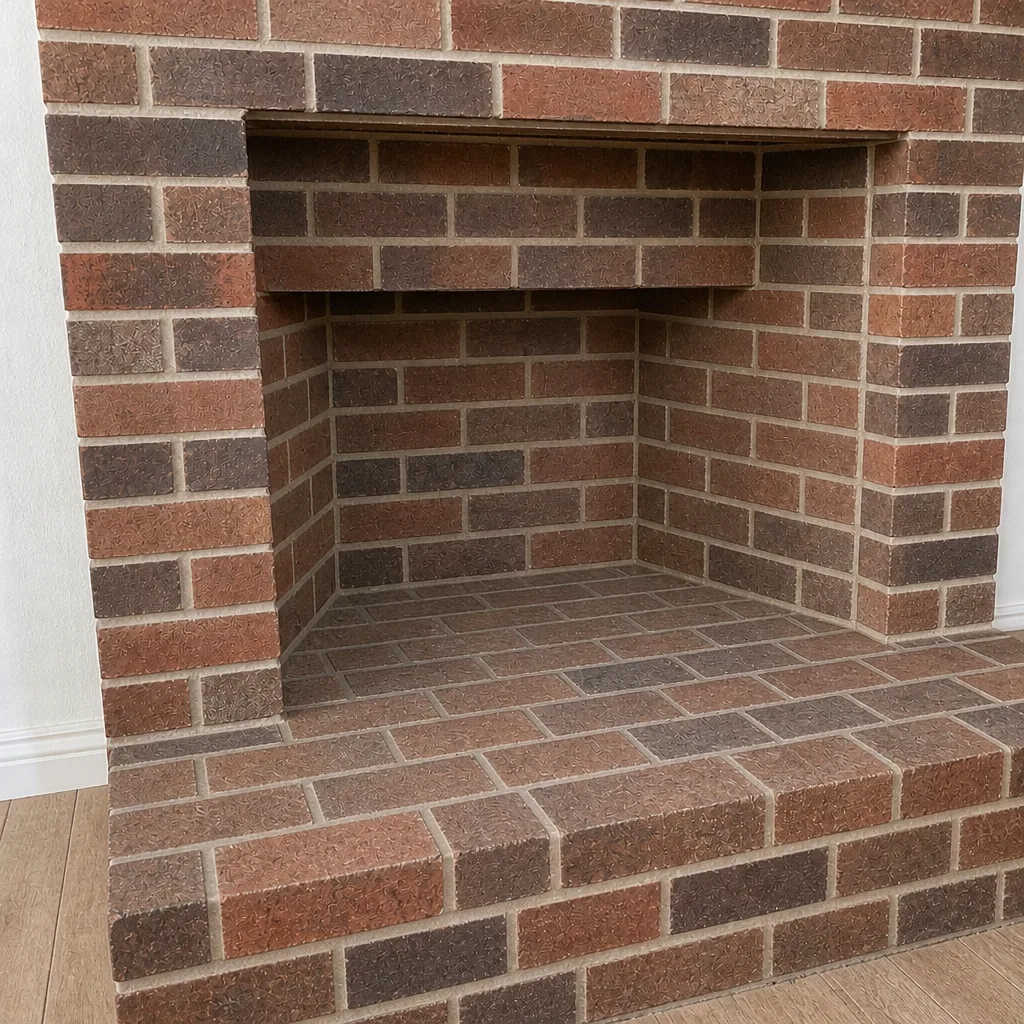
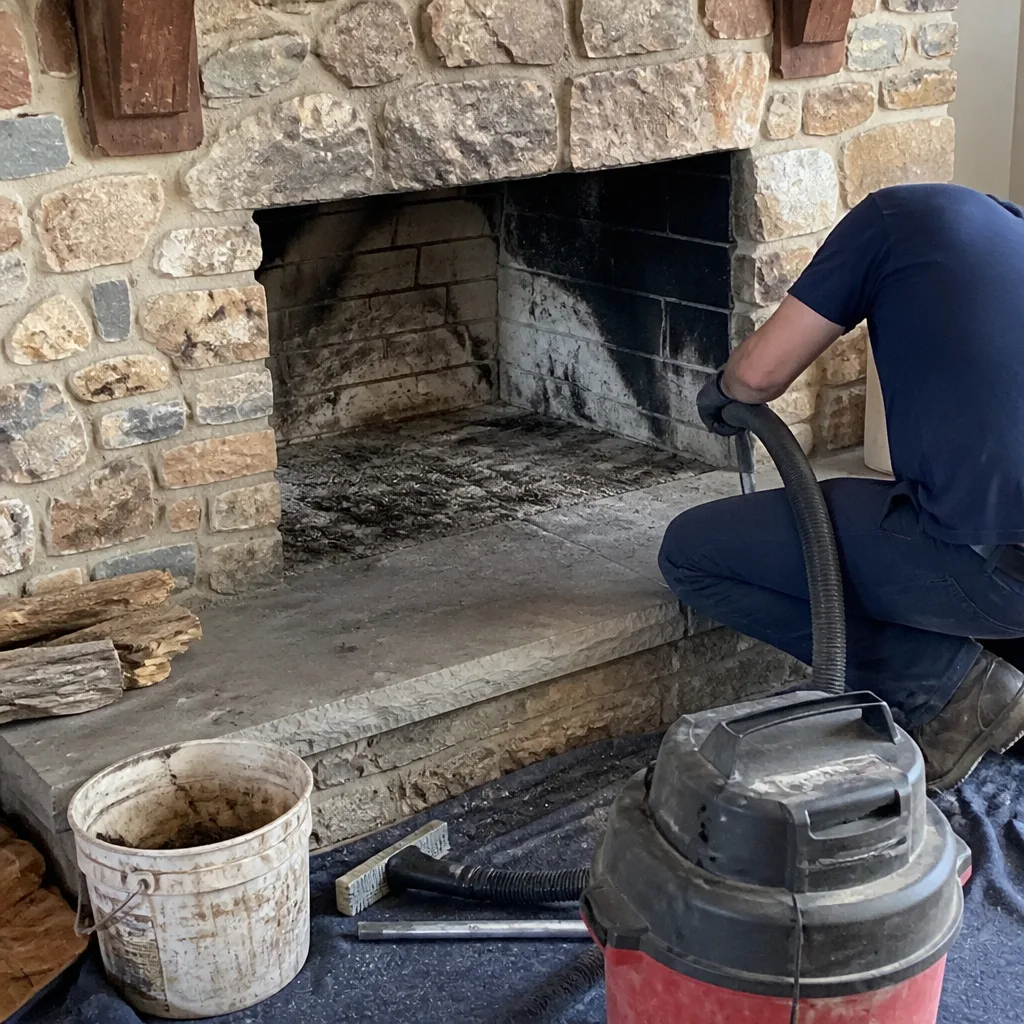 Before
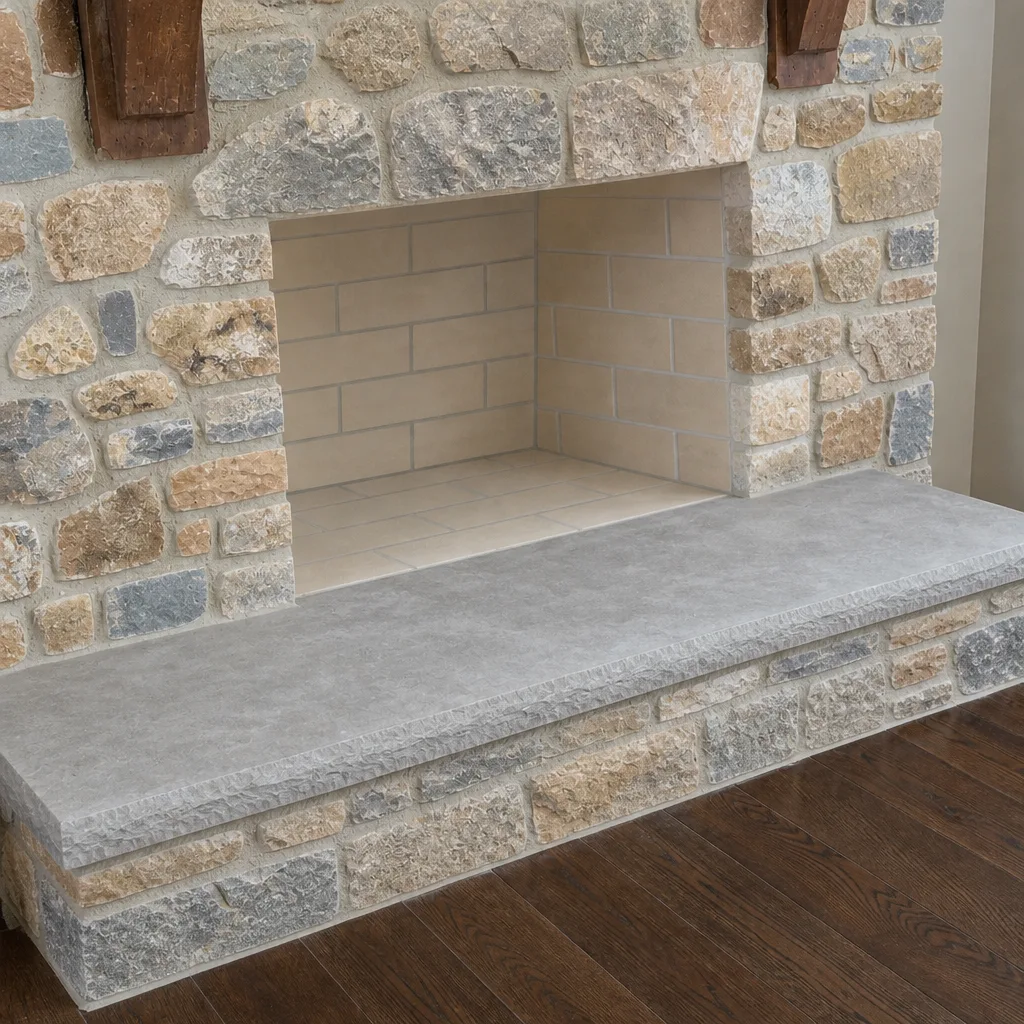 After
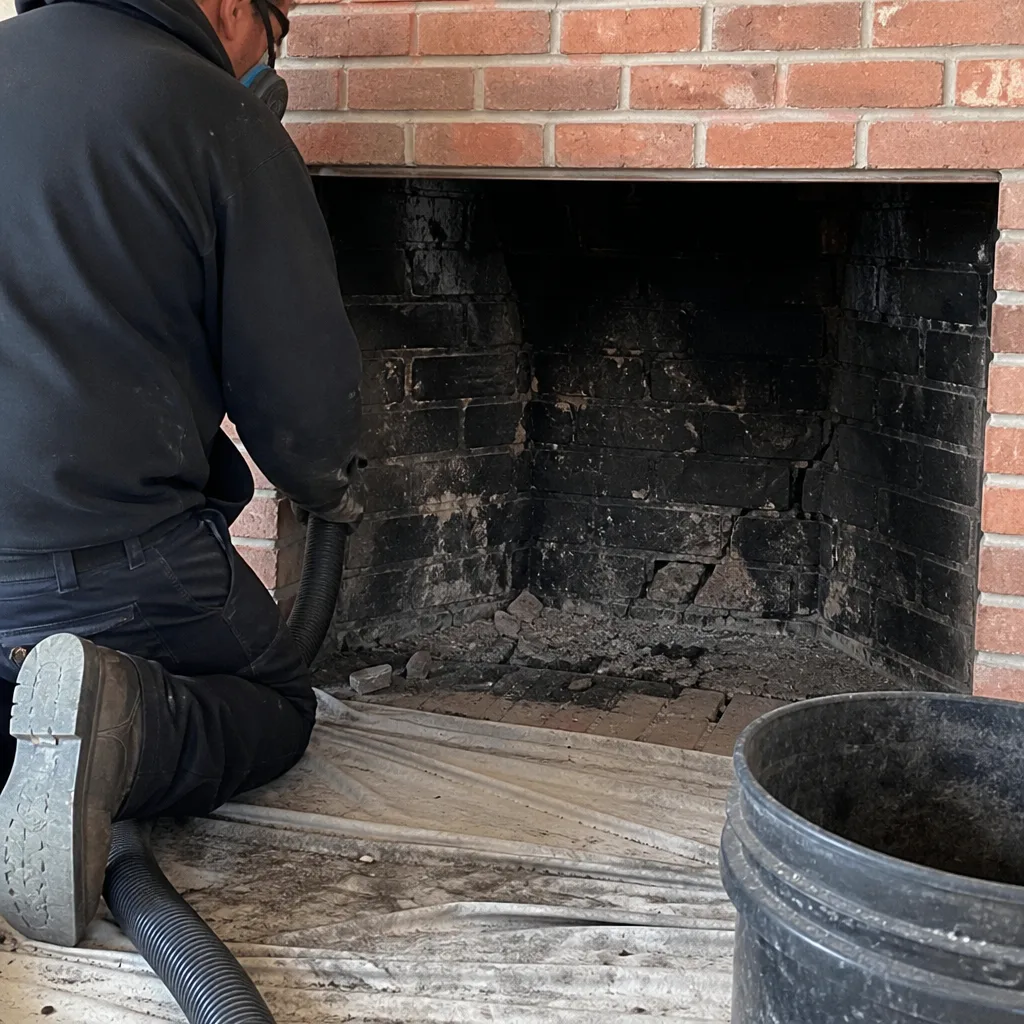
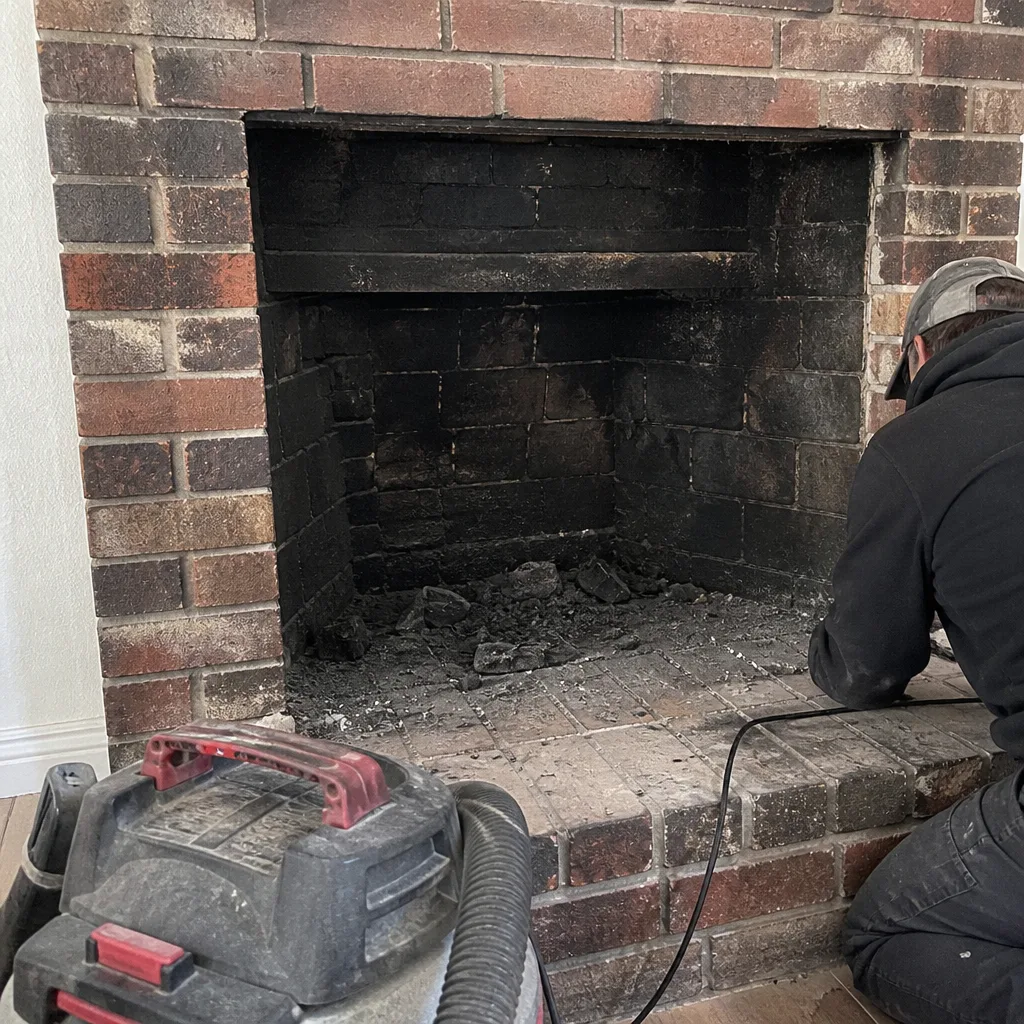 Before
 After
 Before
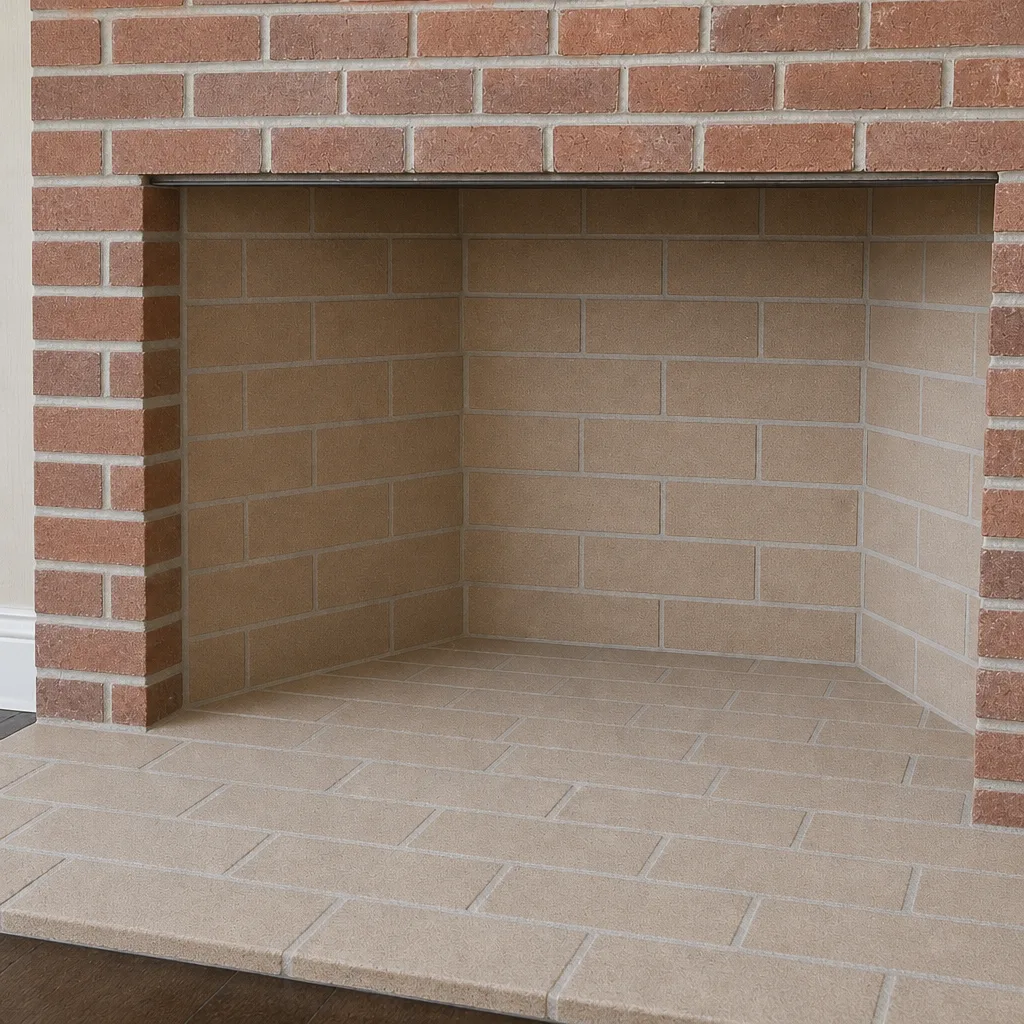 After