
Last updated November 24, 2026
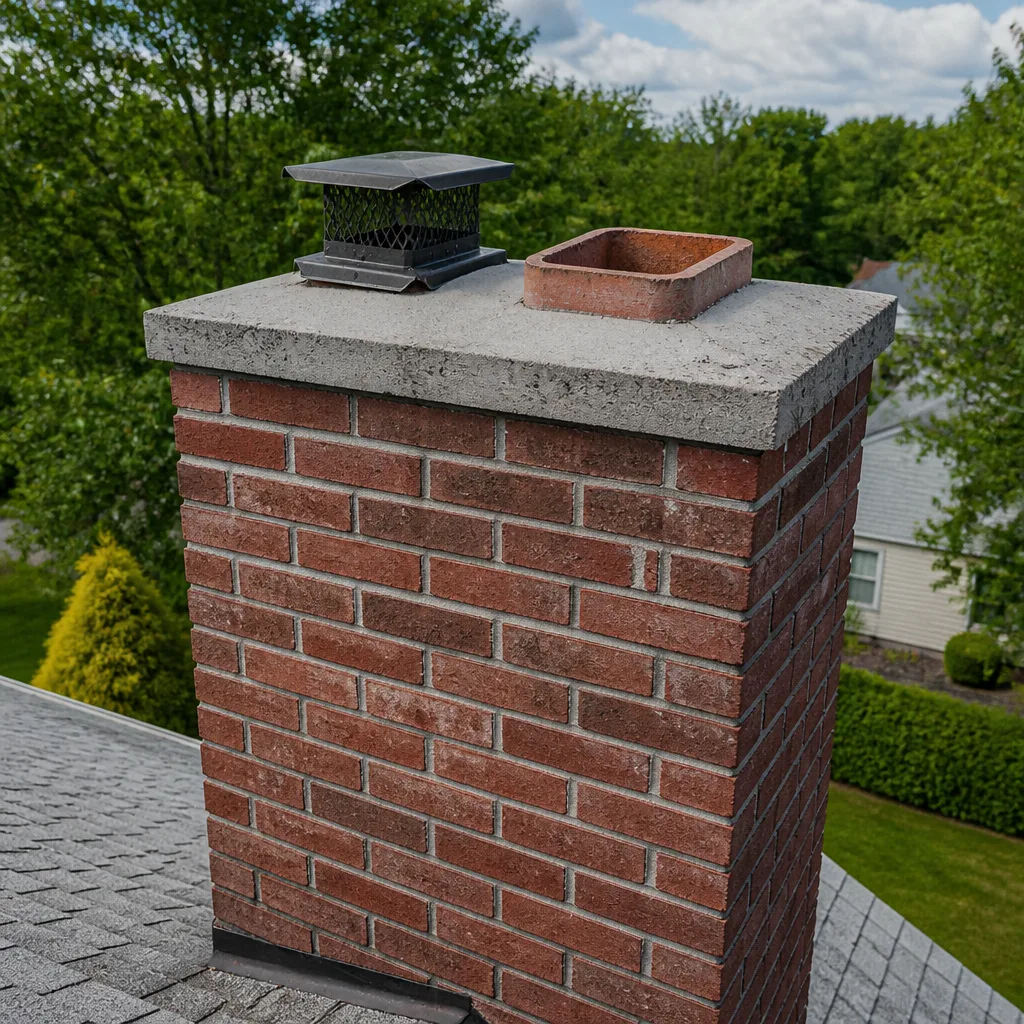 Sweep & inspection
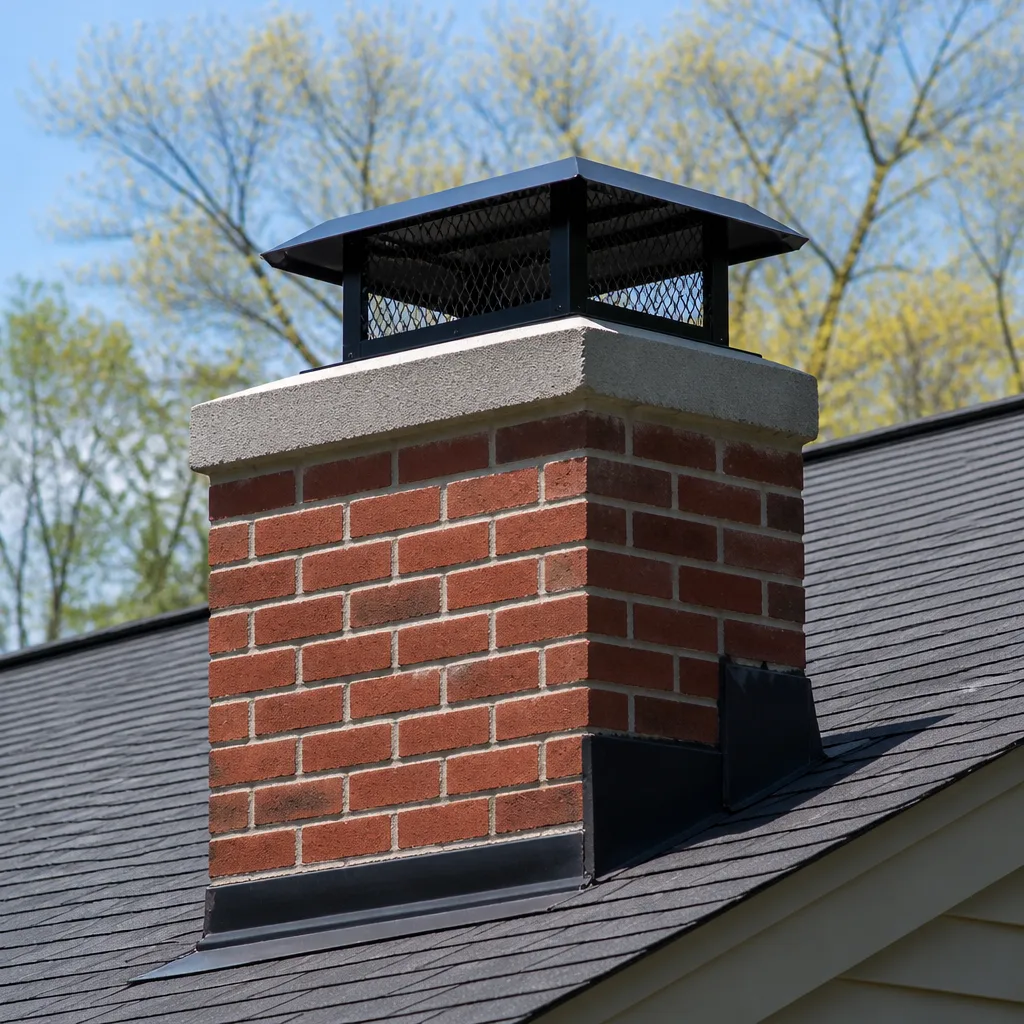 Caps & crowns
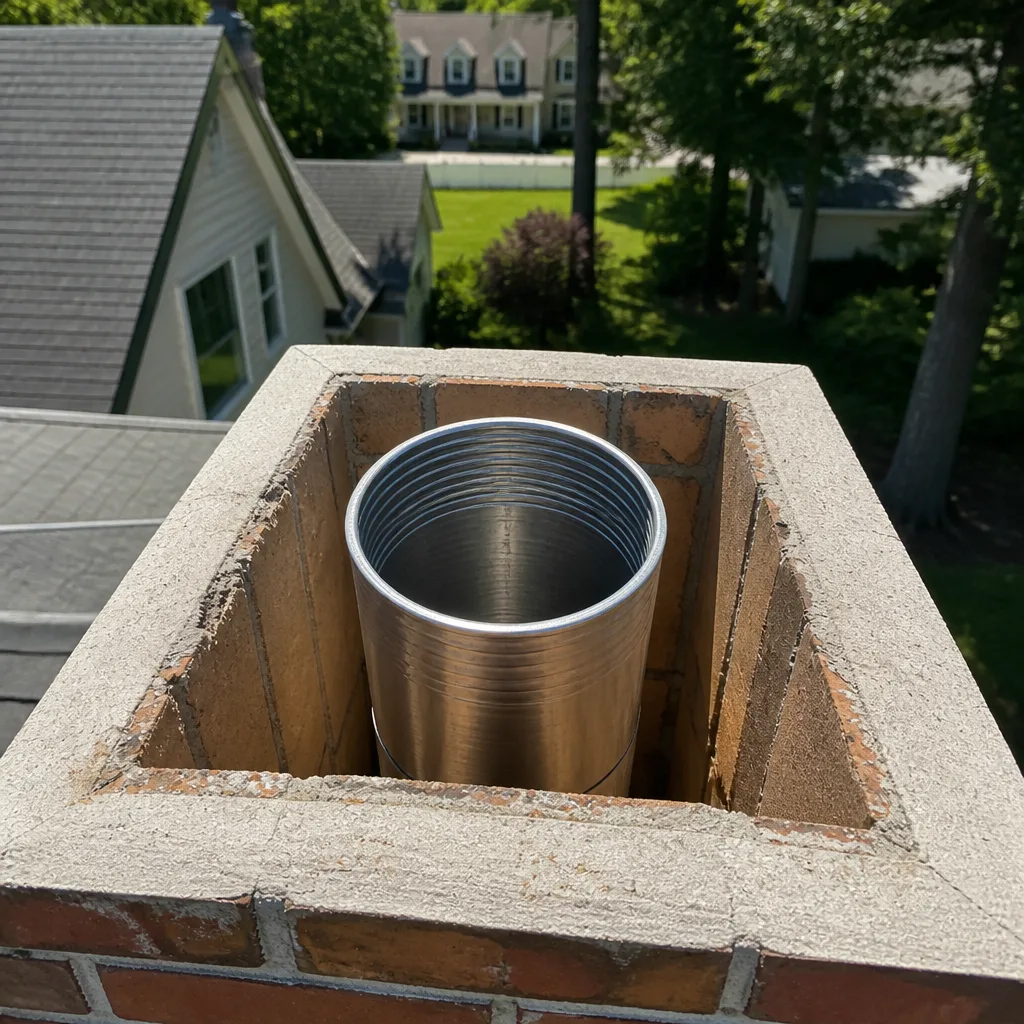 Flue relining
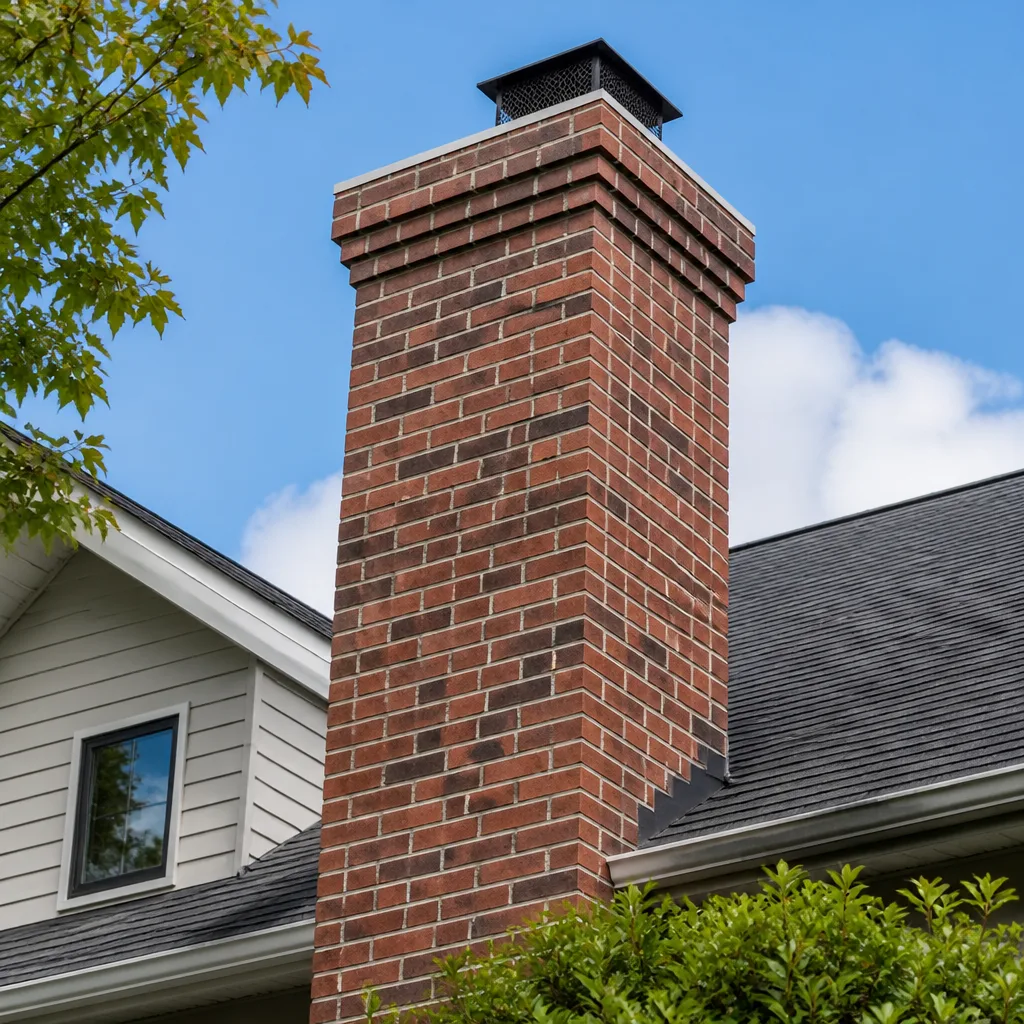 Masonry repair
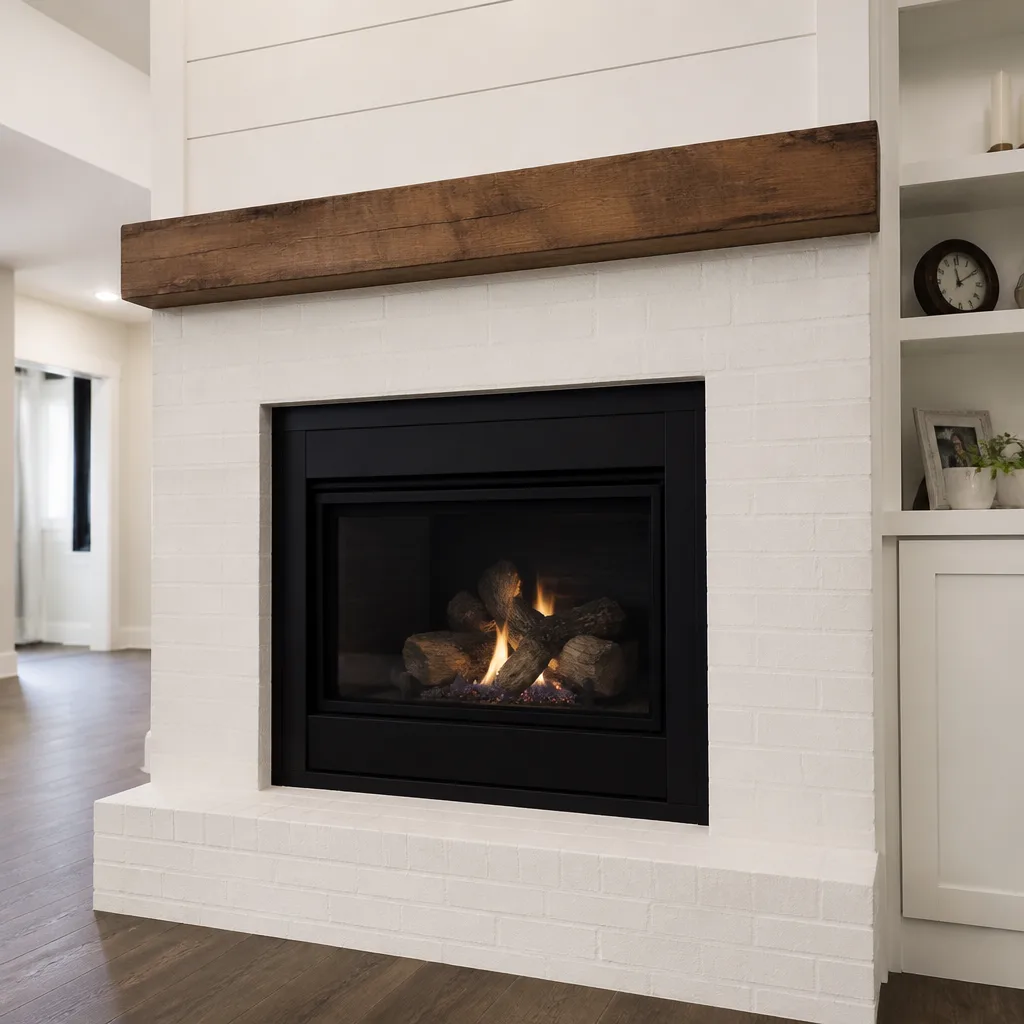 Gas fireplace service
Level 1 sweep and inspection to the NFPA 211 annual standard - flue, crown, cap, and flashing checked and photographed
Chimney sweep logs do not sweep chimneys. They loosen some creosote - which then falls where a brush and vacuum still have to collect it.
Chimney Cleaning Permits, Codes & Inspections in South Jordan, UT: What You Need to Know
Most homeowners assume the permit question starts and ends with the cleaning itself. It doesn’t. A sweep is maintenance, and maintenance doesn’t need a permit anywhere in South Jordan. But the work a sweep uncovers often does – a cracked flue liner, a firebox that needs rebuilding, a new insert going into an old fireplace. That’s where the permit line falls, and it’s a line most people don’t know exists until they’re selling a house or filing a claim. This guide maps that line clearly: what needs a permit, what doesn’t, how NFPA 211 and the building code apply to your chimney, and why the paperwork from an inspection matters long after the soot is gone.
Quick Answer
Chimney cleaning does not require a building permit in South Jordan, Utah. Relining, firebox reconstruction, and appliance insert installation generally do require a permit from South Jordan City, because they alter the structure or venting system of the home. Annual cleaning and inspection are maintenance tasks with no permit requirement, but the inspection report they produce is what protects you at resale, at insurance claim time, and during a Daybreak HOA review.
Styles & brands we work with
- Sweep & inspection
- Caps & crowns
- Flue relining
- Masonry repair
- Gas fireplace service
Table of Contents
- Where the Permit Line Falls in South Jordan
- How NFPA 211 and IRC Section R1001 Apply to Your Chimney
- The Three Levels of Chimney Inspection and When You Need Each
- What a Passed Inspection Means for Utah Resale Disclosure
- How Daybreak HOA Standards Affect Cap and Crown Work
- Why Insurers Want Level 2 Documentation Before Paying a Claim
- South Jordan Climate and What It Does to Chimneys
- A Step-by-Step Walk Through Permit-to-Inspection
Where the Permit Line Falls in South Jordan
The simplest way to think about it: a permit is triggered when the work changes the chimney’s structure, its venting capacity, or the appliance connected to it. Cleaning doesn’t do any of those things. Repair and replacement usually do. South Jordan City’s building department reviews chimney permits under the same residential code framework it applies to the rest of the house, and the reviewing inspector is looking for one thing above all – that the finished chimney will vent combustion gases safely and meet clearance requirements to combustible materials.
Here’s how the work sorts out in practice:
Work that typically does NOT require a permit
- Annual chimney sweeping and creosote removal
- Level 1, 2, or 3 inspection
- Chimney cap replacement with a manufacturer-spec cap
- Minor mortar repointing on the exterior crown or joints
- Removing a bird nest, debris, or a stuck cap screen
- Routine fireplace cleaning and ash removal
Work that generally DOES require a permit
- Relining a flue, whether with a stainless liner or a cast-in-place ceramic system
- Firebox reconstruction or masonry repair that changes the firebox dimensions
- Installing a wood, gas, or pellet insert into an existing fireplace
- Adding a new chimney or extending an existing one
- Changing the flue’s diameter, height, or termination point
- Structural repair to a chimney that has separated from the house
The distinction matters because a homeowner who hires out a relining job without a permit can end up with work that functions but fails an inspection years later. When a South Jordan home goes on the market, a buyer’s inspector will often flag an unpermitted liner as a defect that needs correction before closing. The correction costs more than the permit would have.
If you’re unsure whether your specific job crosses the line, call South Jordan City’s building department directly and describe the work. They answer that question every week. You can also ask us during a chimney sweep – we’ll tell you plainly whether what we found needs a permit.
How NFPA 211 and IRC Section R1001 Apply to Your Chimney
Two standards govern residential chimneys in Utah, and they work together. NFPA 211 is the National Fire Protection Association’s standard for chimneys, fireplaces, vents, and solid fuel-burning appliances. IRC Section R1001 is the International Residential Code’s chapter on chimneys and fireplaces, which Utah adopts as part of its statewide residential code. When a South Jordan building inspector reviews a chimney permit, these are the documents behind the checklist.
NFPA 211 sets the maintenance and inspection framework. It’s the standard that defines the three inspection levels, requires that chimneys be inspected before being put back into service after a chimney fire or a significant event, and specifies how clearances to combustibles must be maintained. It also addresses liner integrity – the requirement that a flue have a continuous, sound lining from the appliance connection to the termination point.
IRC Section R1001 covers construction and installation. Among the requirements most relevant to South Jordan homeowners:
- Chimneys must be lined with an approved material appropriate to the appliance and fuel type
- Clearances to combustible framing must be maintained – typically 2 inches from the outside face of a masonry chimney to combustible material, or the listed clearance for a factory-built system
- Chimney height above the roof and adjacent structures must meet the code minimums for proper draft
- Flue liners must be continuous and undamaged
- Spark arrestors and caps must meet the manufacturer’s specifications
What this means for a homeowner is straightforward. If you’re relining a flue, the new liner must run continuous from top to bottom, be listed for the fuel you burn, and be installed per the manufacturer’s instructions. A liner installed correctly with DuraFlex stainless components and documented on a permit will meet R1001. One installed by a general handyman without a permit, without a listed component, and without clearances verified may not – and the difference isn’t visible from the living room.
The clearance requirement is where we see the most problems in older South Jordan homes. A chimney that was framed in short of the required clearance may have functioned safely for years because nothing was hot enough to ignite the framing. But a heavier use pattern, a different appliance, or a fire in the flue can change that. IRC R1001 exists to prevent that scenario, and the inspection is what catches it before it happens.
The Three Levels of Chimney Inspection and When You Need Each
NFPA 211 defines three inspection levels, and the level you need depends on what’s happening with the chimney, not on how much you want to spend. Most South Jordan homeowners need a Level 1 once a year. A Level 2 shows up at sale time, after an event, or when the appliance changes. A Level 3 is rare and usually follows a known problem.
Level 1 Inspection
A Level 1 is the standard annual inspection, performed during a routine cleaning. It covers the readily accessible portions of the chimney – the firebox, the damper, the flue from the appliance connection up to what’s visible, and the exterior at ground level. It confirms that the chimney is sound and free of obstructions. If your appliance hasn’t changed and your chimney is in known good condition, this is what you need.
Level 2 Inspection
A Level 2 adds a video camera inspection of the entire flue interior, plus accessible portions of attics, crawlspaces, and the chimney exterior. It’s required when an appliance is replaced or changed, when a property is being sold, after a chimney fire or a seismic event, or when a Level 1 raises a question it can’t answer. The video inspection is the piece most homeowners care about, because it produces photographic evidence of liner condition that they can hold in their hands.
Level 3 Inspection
A Level 3 is a Level 2 plus the removal of portions of the chimney, walls, or other building components to access hidden areas. It’s only performed when a serious hazard is suspected. In practice, this is rare, and it’s always driven by a specific concern the earlier inspection couldn’t resolve.
For most South Jordan homes burning wood seasonally, the pattern looks like this: Level 1 each fall before burning season, Level 2 anytime the property changes hands or the appliance changes, Level 3 only if something unusual turns up. If your chimney has never had a camera inspection and you don’t know what the liner looks like, a Level 2 in South Jordan is a reasonable starting point – it tells you what you actually have.
What a Passed Inspection Means for Utah Resale Disclosure
Utah’s real estate disclosure framework requires sellers to disclose known material defects. A chimney with a deteriorated flue liner, a separated crown, or unpermitted structural work is a material defect, and a seller who knows about it and doesn’t disclose it can face consequences after closing. This is why the inspection report matters as much as the inspection itself.
Here’s the practical chain:
- A Level 2 inspection is performed before or during the listing period. It produces a written report with photographs of the flue interior, the firebox, the crown, and the exterior.
- The report documents condition. If the liner is sound and the chimney is clear, the report says so. If it’s not, the report says what’s wrong and what it takes to fix it.
- The seller discloses. Any known defect goes on the seller’s disclosure. A documented clean bill of health answers the question before the buyer asks it.
- The buyer’s inspection compares. A buyer’s inspector will look at the same chimney and often recommends a Level 2 if the seller hasn’t provided one. Having it already done removes the negotiation window.
In South Jordan, where home sales often move quickly, a chimney report attached to the listing saves days of back-and-forth. It also protects the seller from a surprise finding at the buyer’s inspection that becomes a price negotiation. And it protects the buyer, who gets a real look at the flue rather than a visual impression from the driveway.
If your chimney needs repair before a sale, we handle chimney repair as part of the same relationship, so you’re not coordinating a sweep company and a mason and a roofer on a closing timeline. The technician who found the problem is the one who fixes it.
How Daybreak HOA Standards Affect Cap and Crown Work
Planned communities in South Jordan, Daybreak most visibly, enforce architectural standards that reach the roofline. Chimney caps and crowns are visible from the street and from neighboring properties, which puts them under HOA review. This doesn’t usually block the work, but it can shape what materials and finishes are allowed.
The most common issues we see in HOA-governed South Jordan neighborhoods:
- Cap style. Some architectural standards specify a low-profile cap or a single-flue style over a multi-port cap that reads as clutter from the street. A standard manufacturer-spec cap from Gelco or Famco can usually be selected to fit the standards.
- Crown finish. A new mortar crown is often required to match the existing color and texture. A crown that’s structurally sound but visually mismatched can trigger an HOA notice.
- Chase covers. Factory-built fireplaces in newer construction have chase covers rather than masonry crowns. Replacing a chase cover with a generic part can fail both the HOA standard and the manufacturer’s listing.
- Permit documentation. Some HOAs ask for proof that structural work was permitted. A permit and final inspection record satisfies that request.
The safe move in Daybreak and similar communities is to check the architectural standards before the cap goes on, not after. We work with manufacturer-spec components from Gelco and Famco, which means the cap being installed matches the manufacturer’s specifications for the chimney – not whatever was available at a hardware store. That’s the version that holds up to an HOA review and to a home inspection years later.
Why Insurers Want Level 2 Documentation Before Paying a Claim
Homeowner’s insurance carriers have gotten more specific about chimney claims in recent years. When a chimney fire or a carbon monoxide incident leads to a claim, the adjuster’s first question is usually about maintenance history and inspection documentation. A Level 2 report with photographs of the flue is the document that answers that question.
What carriers are looking at:
- Was the chimney maintained? A record of annual cleaning shows the homeowner took the maintenance obligation seriously.
- Was the liner sound? Photographic evidence of liner condition before the event is the strongest defense against a claim denial based on pre-existing deterioration.
- Was the work permitted? Unpermitted relining or insert installation is a red flag. A carrier may treat unpermitted work as a material misrepresentation on the policy.
- Was the appliance installed to code? Insert installations that don’t meet IRC R1001 clearance requirements can become the basis for a denial.
The unpermitted relining scenario is the one that surprises homeowners most. A liner installed without a South Jordan building permit may function perfectly well for a decade, and then a chimney fire happens, and the carrier’s investigation finds unpermitted structural work on the venting system. Whether or not the carrier denies the claim outright, the conversation becomes about coverage rather than about repair – and that’s a bad place to be.
The way to avoid this is boring and effective: permit the work that needs a permit, inspect annually, and keep the reports. If you’re not sure of your chimney’s history, a Level 2 inspection is the fastest way to establish a documented baseline. We provide camera inspection and a photo report as part of the inspection, so you have something in writing that an adjuster can read.
South Jordan Climate and What It Does to Chimneys
South Jordan sits in the Salt Lake Valley, where the burning season runs roughly from October into March and the shoulder months bring repeated freeze-thaw cycles. Those cycles are hard on masonry. Water gets into a hairline crack in the crown, freezes overnight, expands, and widens the crack. Repeat that across a winter and a small defect becomes a real one. This is why exterior chimney inspections in South Jordan matter more than they do in a milder climate – the damage accelerates in the cold months.
Winter inversions play a role too. During an inversion, the valley traps cold air under a warmer layer above, and chimney draft can weaken. A chimney that drafts poorly on a normal day can smoke into the room during an inversion. Most of the time the cause is a flue that’s partially blocked with creosote, a cap that’s clogged with debris, or a liner that’s deteriorated enough to disrupt the flow. The fix is usually a cleaning and a liner inspection, not a new chimney.
Wood is the other local variable. Many South Jordan homeowners burn a mix of hardwoods and whatever’s available, and unseasoned wood produces more creosote than dry wood. The difference between a chimney that needs sweeping once a year and one that needs it twice is often just how dry the wood was. If you’re not sure of your wood’s moisture content, sweep annually and let the inspection tell you whether you can stretch the interval.
We’ve seen the same pattern across South Jordan neighborhoods – the chimneys that hold up best are the ones with a sound crown, a properly fitted cap, and an annual inspection that catches small problems while they’re still small. Our technicians have up to 11 years of experience with exactly these conditions.
A Step-by-Step Walk Through Permit-to-Inspection
If you’re facing a relining, an insert installation, or firebox reconstruction, here’s how the process runs from start to finish in South Jordan.
- Get the inspection first. Before anything is designed or quoted, a Level 2 inspection tells you what the flue actually needs. Skipping this step is how homeowners end up paying for a liner they didn’t need or missing one they did.
- Confirm whether a permit is required. Call South Jordan City’s building department and describe the work. Relining, firebox reconstruction, and insert installation generally require a permit. Cleaning and cap replacement generally don’t.
- Get a written scope and estimate. The estimate describes the work, the materials, and the permit responsibility. The final price is set by that written estimate, not by a verbal number.
- Pull the permit. Depending on the job, the contractor or the homeowner pulls the permit. The permit number should appear on the final inspection record.
- Install to manufacturer specification. A liner goes in as a continuous run, clearances are verified, and the appliance connection is made to the manufacturer’s instructions. This is where the brand matters – a liner installed with DuraFlex components and a ceramic repair system like HeatShield is installed to the specification the manufacturer designed for.
- Schedule the inspection. The city inspector reviews the work against IRC R1001. Clearances, liner continuity, and termination height are the checkpoints.
- Get the sign-off and keep the paperwork. The final inspection record and the Level 2 report are the two documents that protect you at resale and at claim time.
In our experience, the step homeowners most often skip is the first one – the pre-work inspection. It’s also the one that prevents the most expense. Nothing gets recommended without camera evidence you can see for yourself, and if the work can safely wait, we say so.
If you’re managing a broader fireplace project alongside the chimney work, our fireplace repair service covers the firebox and damper, so the venting system and the appliance are handled by the same specialist. That matters for the permit, because the inspector is looking at the whole system.
Common Mistakes to Avoid
- Skipping the permit on a relining job. A liner installed without a South Jordan building permit can function for years, then become a claim-denial issue after a fire. The permit is not the expensive part of the job.
- Treating the annual cleaning as the whole story. A sweep removes creosote. It doesn’t tell you what the liner looks like unless a camera goes in. Ask for the camera inspection during the sweep, not after a problem appears.
- Replacing a cap with a generic hardware-store part. A cap that isn’t fitted to the chimney’s manufacturer specification can block draft, admit water, or fail an HOA review. Gelco and Famco components fit the chimney as designed.
- Selling a home without a chimney report. Utah disclosure rules make known defects a seller’s obligation. A Level 2 report done before listing is the cleanest way to satisfy that obligation.
- Assuming the HOA review happens before the work. In Daybreak and similar South Jordan communities, the architectural standards should be checked before the cap or crown goes on. A mismatch after installation means redoing the work.
- Burning unseasoned wood and blaming the chimney. Wet wood produces more creosote and a weaker draft. If your chimney smokes during an inversion, the wood may be the reason.
- Filing a claim without the inspection record. An adjuster’s first question is about maintenance and documentation. If you don’t have it, the conversation gets harder.
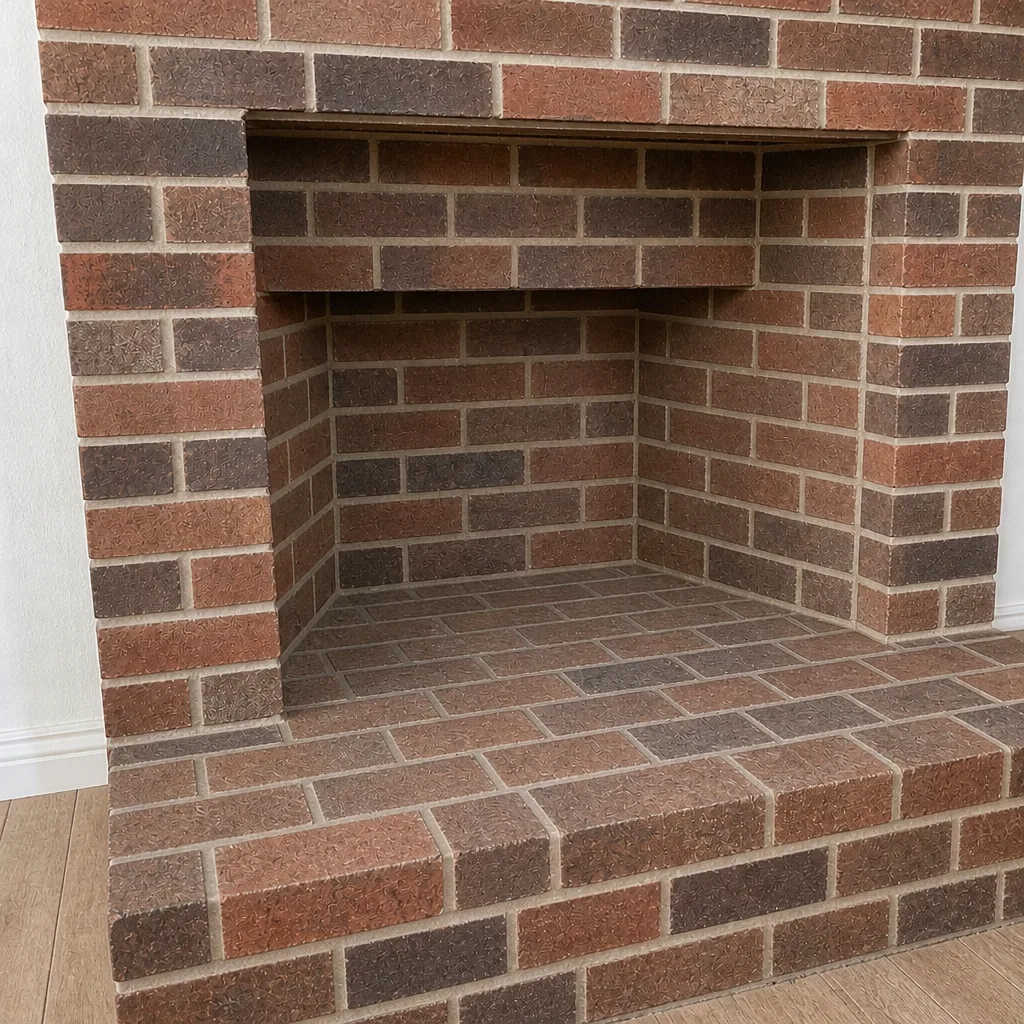
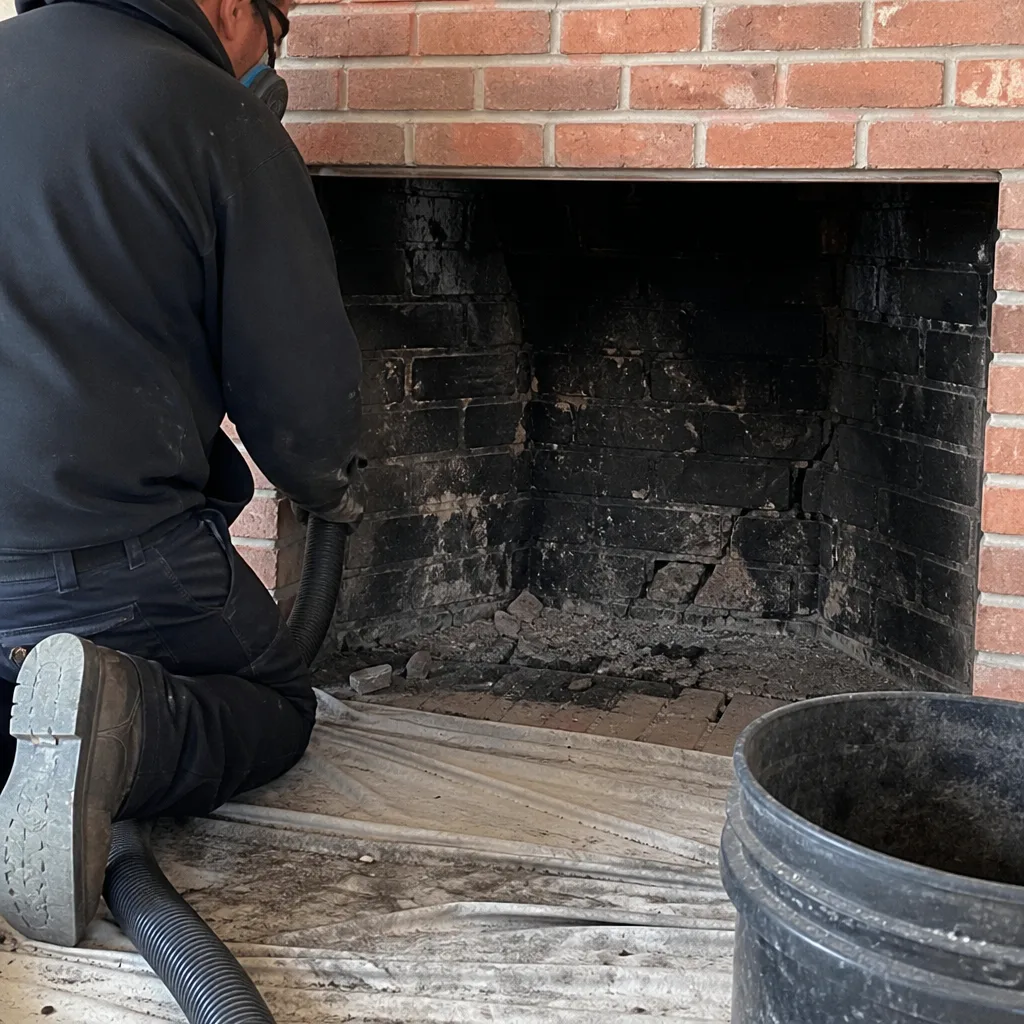
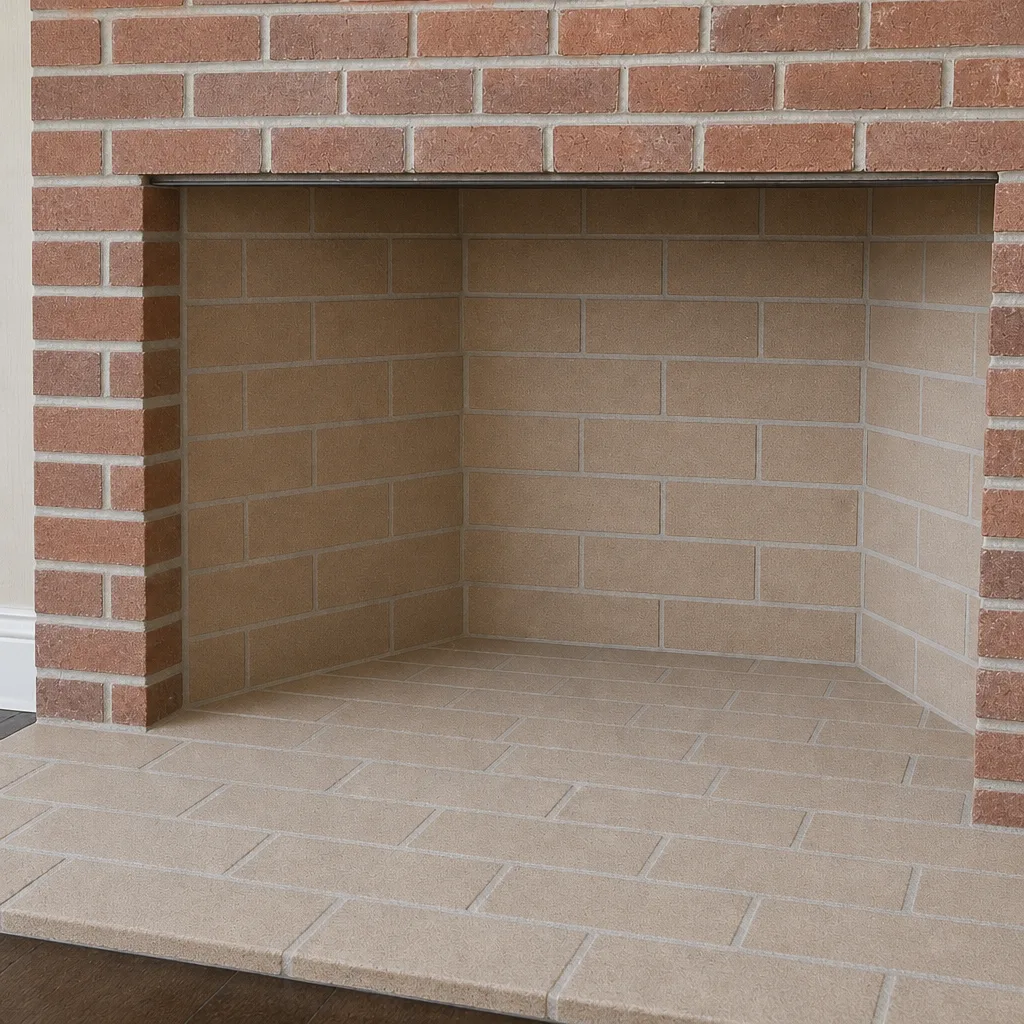
See the difference
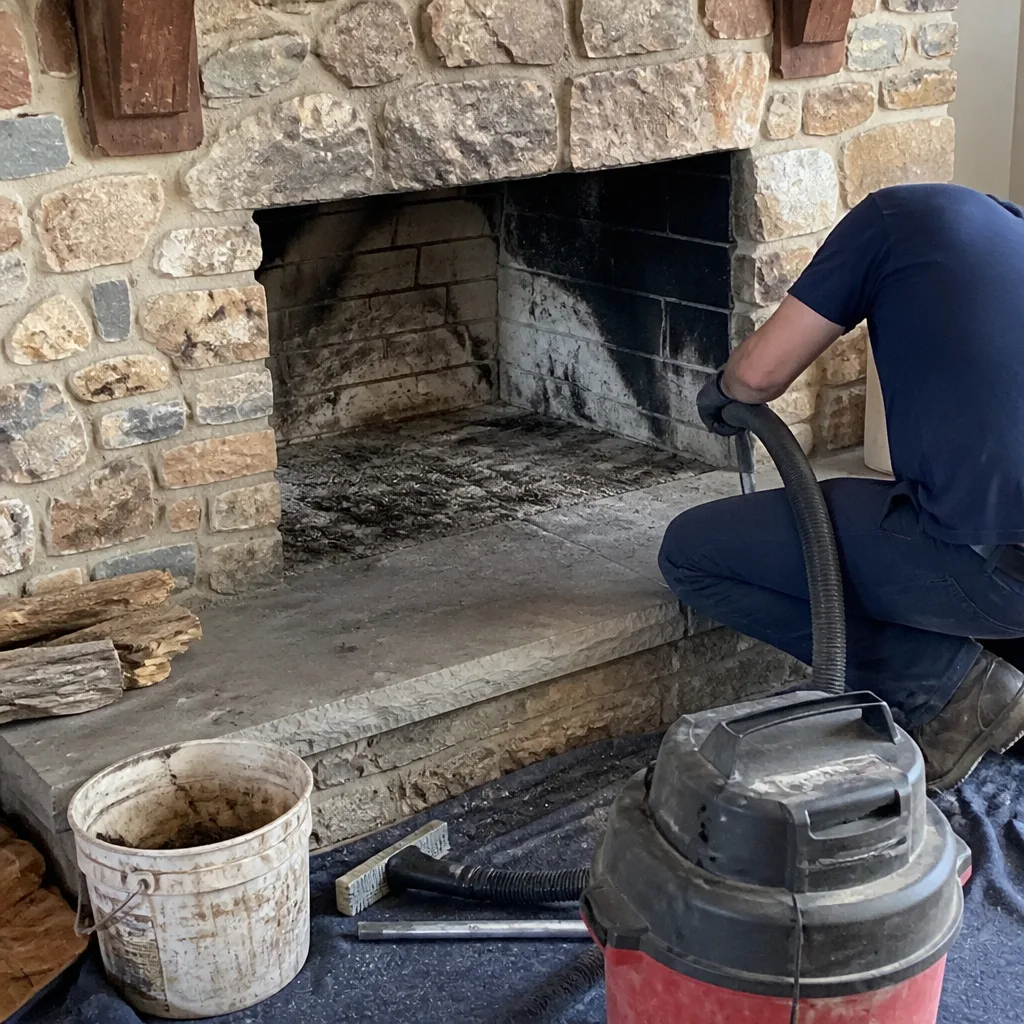 Before
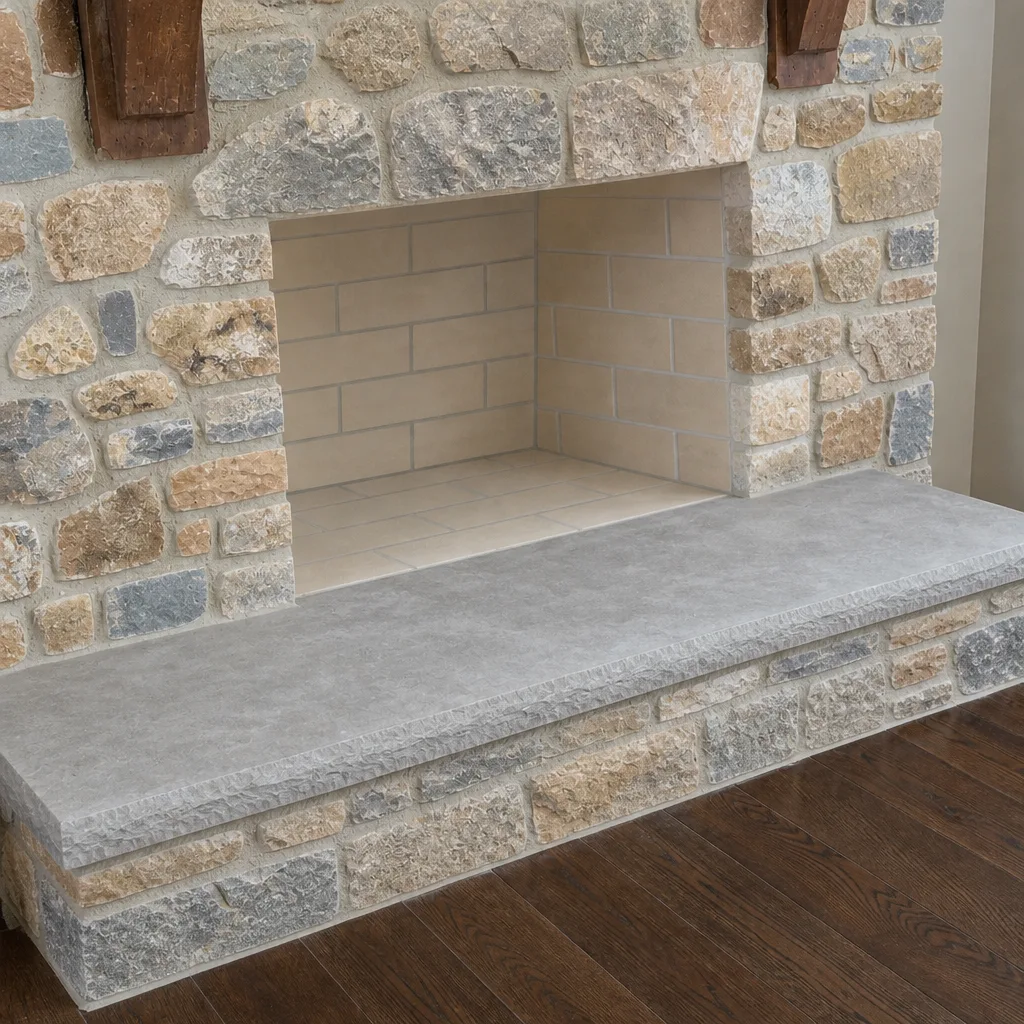 After
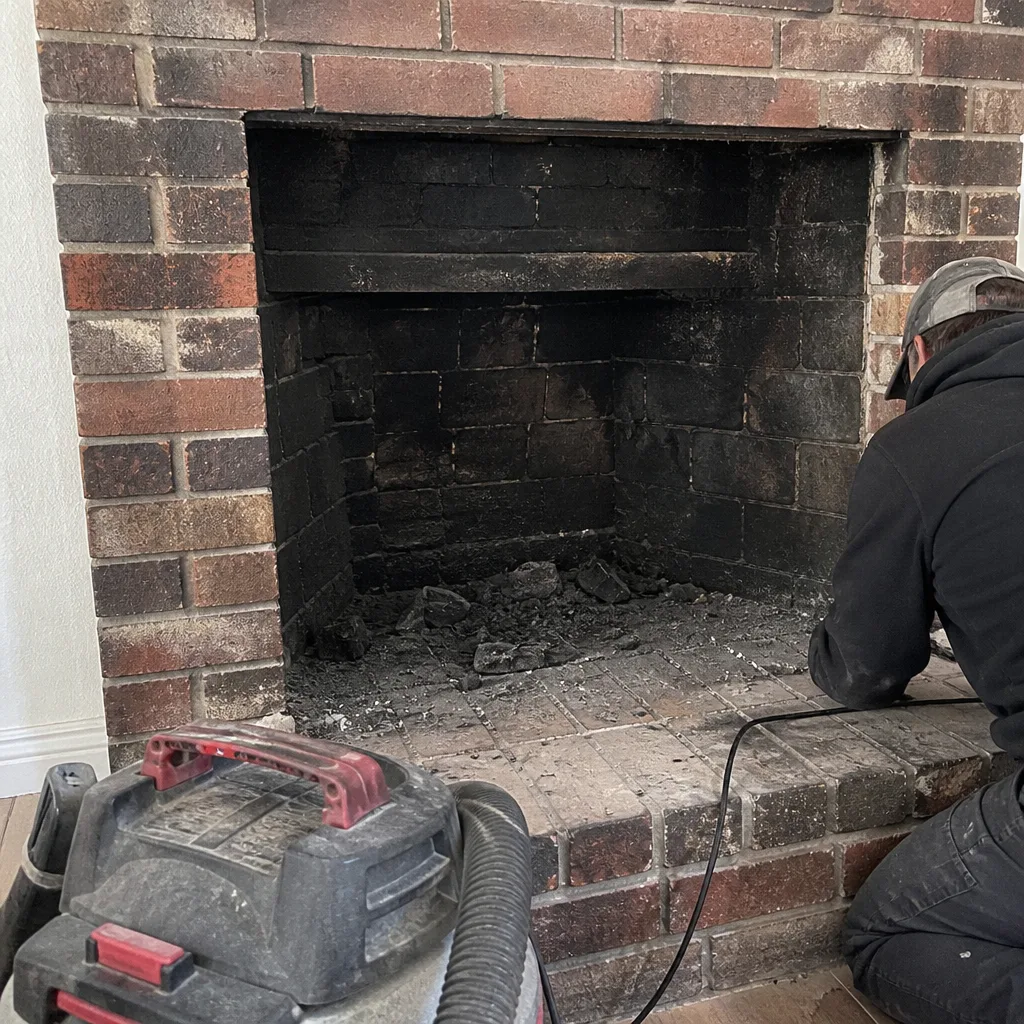 Before
 After
 Before
 After
When to Call a Professional
Call a professional when the chimney work crosses from cleaning into anything structural. That means relining, firebox reconstruction, insert installation, a chimney that’s separated from the house, a crown that’s cracked or crumbling, or a flue that’s failed a camera inspection. It also means any time a chimney fire has occurred, any time you smell smoke in the house when the fireplace isn’t burning, and any time you’re preparing to sell a South Jordan home and don’t have a current inspection report. A trained technician can confirm in an afternoon what would take a homeowner weeks of guessing. The work involves combustion gases, clearances to framing, and structural loading, and those are not things to learn on your own chimney.
South Jordan Chimney Sweep offers free estimates in South Jordan – call (866) 937-8549. We answer 24/7. Fast dispatch from 7am to 7pm, Sunday through Friday.
Frequently Asked Questions
No. Chimney cleaning and inspection are maintenance tasks and do not require a South Jordan City building permit. Permits are required for work that changes the chimney’s structure or venting, such as relining, firebox reconstruction, or installing an insert. Call us at (866) 937-8549 and we’ll tell you whether what we find during a sweep crosses into permit territory.
Yes, generally. Relining changes the venting system of the home, which puts it under South Jordan City permitting and IRC Section R1001 review. The permit is a small part of the job cost, and it’s the document that protects you at resale and at insurance claim time. Call (866) 937-8549 for an exact quote – estimates are free.
A Level 1 is the annual visual inspection performed during a routine cleaning. A Level 2 adds a video camera inspection of the entire flue interior and is required when a property is sold, an appliance is changed, or after a chimney fire. If you don’t know the condition of your liner, a Level 2 is the place to start.
Once a year during the burning season is the standard for most wood-burning South Jordan homes. Homes that burn frequently or burn unseasoned wood may need it twice. The inspection tells you whether the interval is right for your chimney. Call (866) 937-8549 to book a sweep before burning season.
It can. A carrier investigating a chimney fire often looks at whether structural work on the venting system was permitted. Unpermitted relining can complicate coverage even if the work itself was done well. If your chimney’s history is unknown, a Level 2 inspection establishes a documented baseline.
It can. Daybreak’s architectural standards reach roofline components that are visible from the street, including cap style and crown finish. Checking the standards before the cap goes on avoids redoing the work. We fit manufacturer-spec caps from Gelco and Famco, which makes matching the standards simpler.
The Bottom Line
Chimney cleaning doesn’t need a permit in South Jordan. Relining, firebox reconstruction, and insert installation do. NFPA 211 and IRC Section R1001 are the standards behind the inspection, and a documented Level 2 report is the piece that protects you at resale, at claim time, and during a Daybreak HOA review. Keep the paperwork. Sweep annually. Inspect with a camera before you assume anything about the liner. And when the work crosses into structural territory, bring in a specialist who works with professional-grade materials from brands like DuraFlex, HeatShield, Gelco, and Copperfield – the same brands that supply certified chimney professionals. A chimney is a venting system with a house attached to it, and it deserves to be treated that way.
If you’re ready to establish a documented baseline for your chimney, start with a South Jordan Chimney Sweep and a written report you can keep.
Contact South Jordan Chimney Sweep for a free estimate at (866) 937-8549. We answer 24/7. Fast dispatch from 7am to 7pm, Sunday through Friday.
Written by the team at South Jordan Chimney Sweep.