
Last updated November 24, 2026
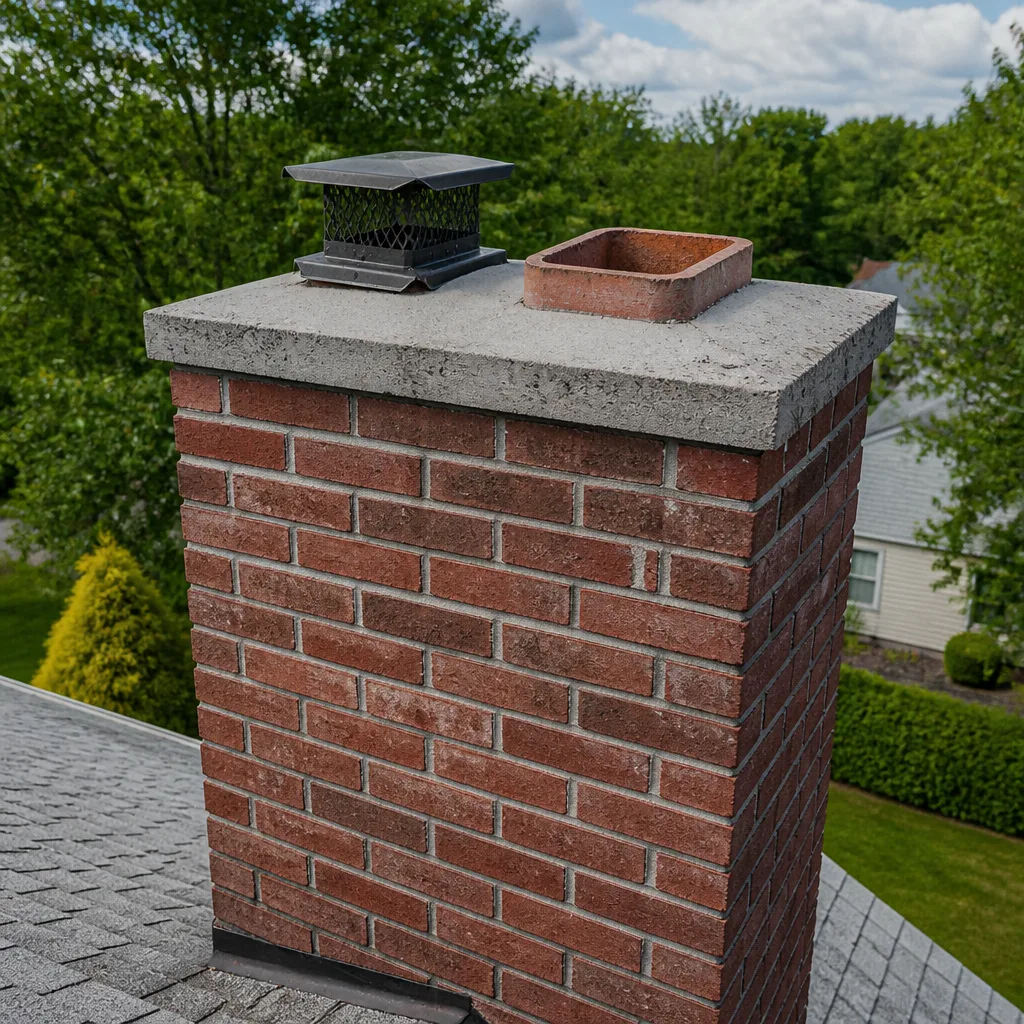 Sweep & inspection
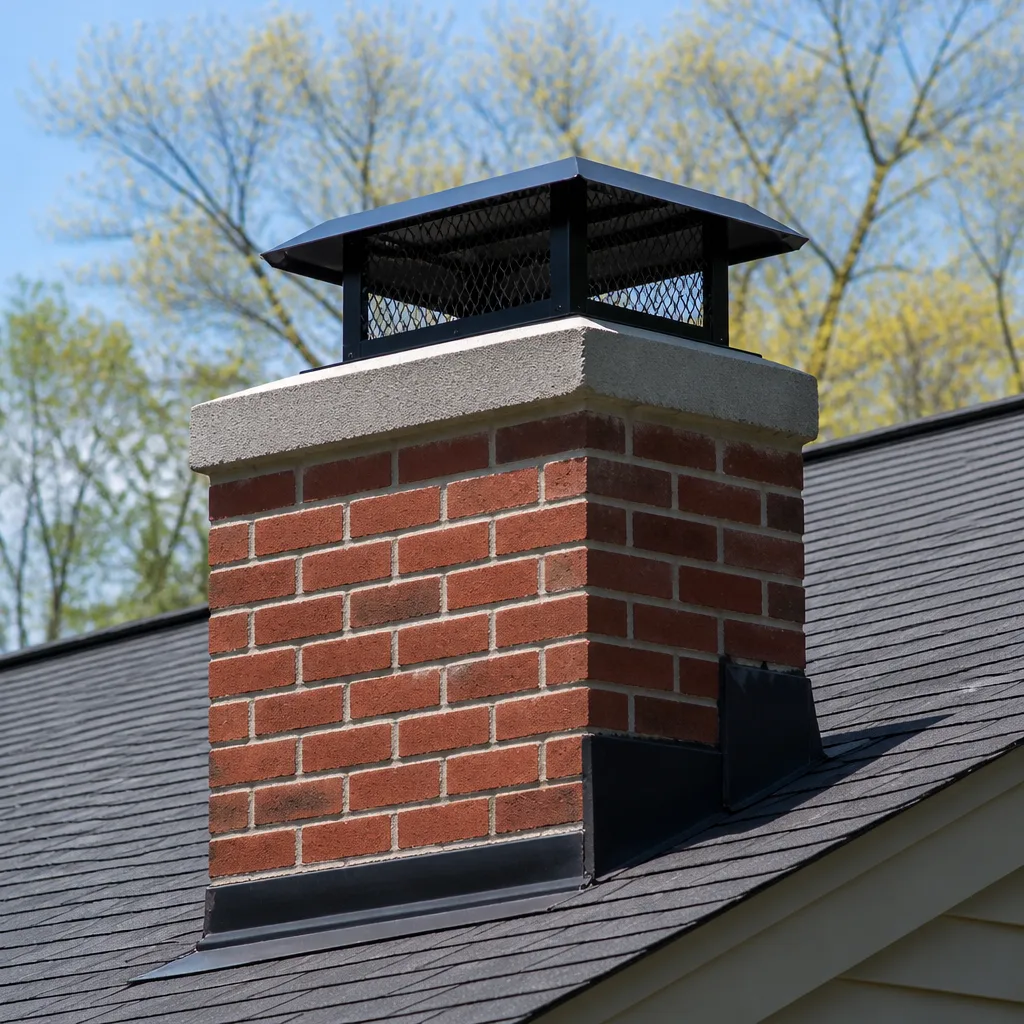 Caps & crowns
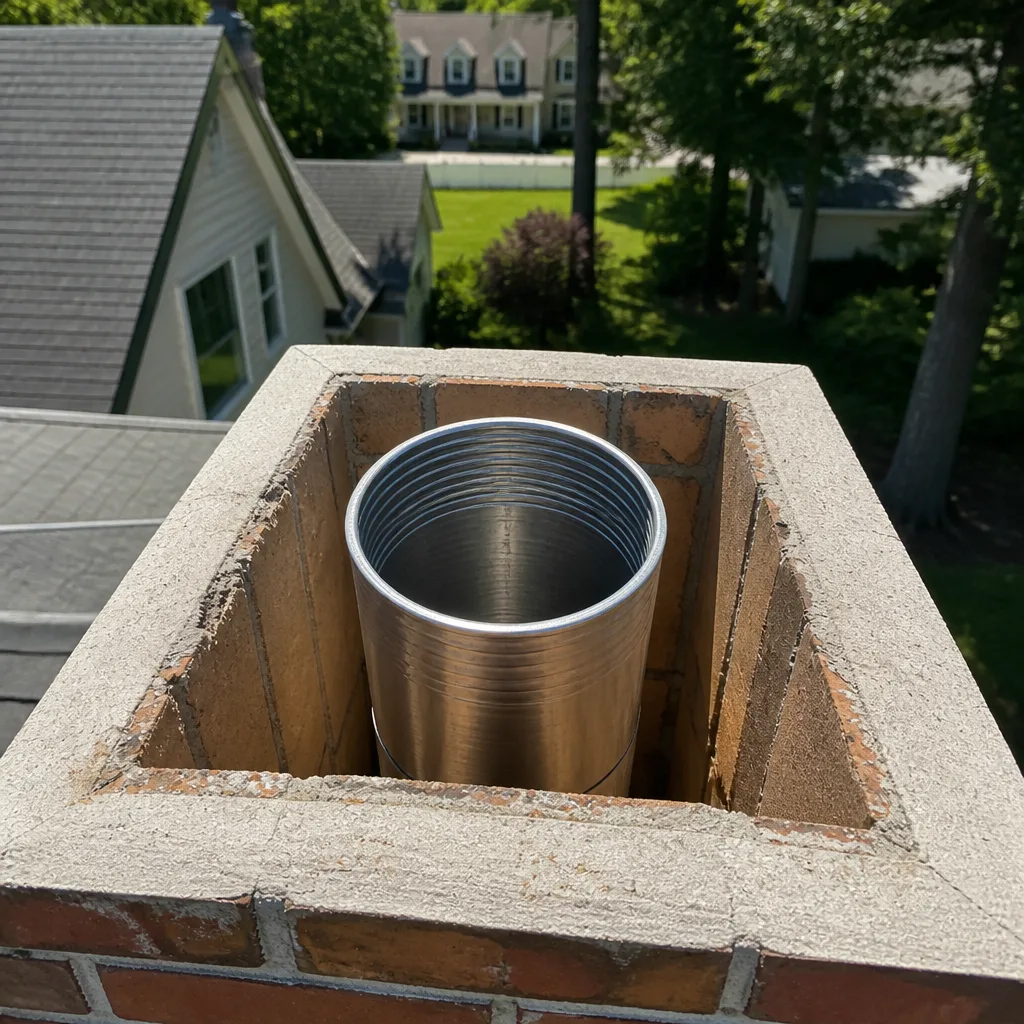 Flue relining
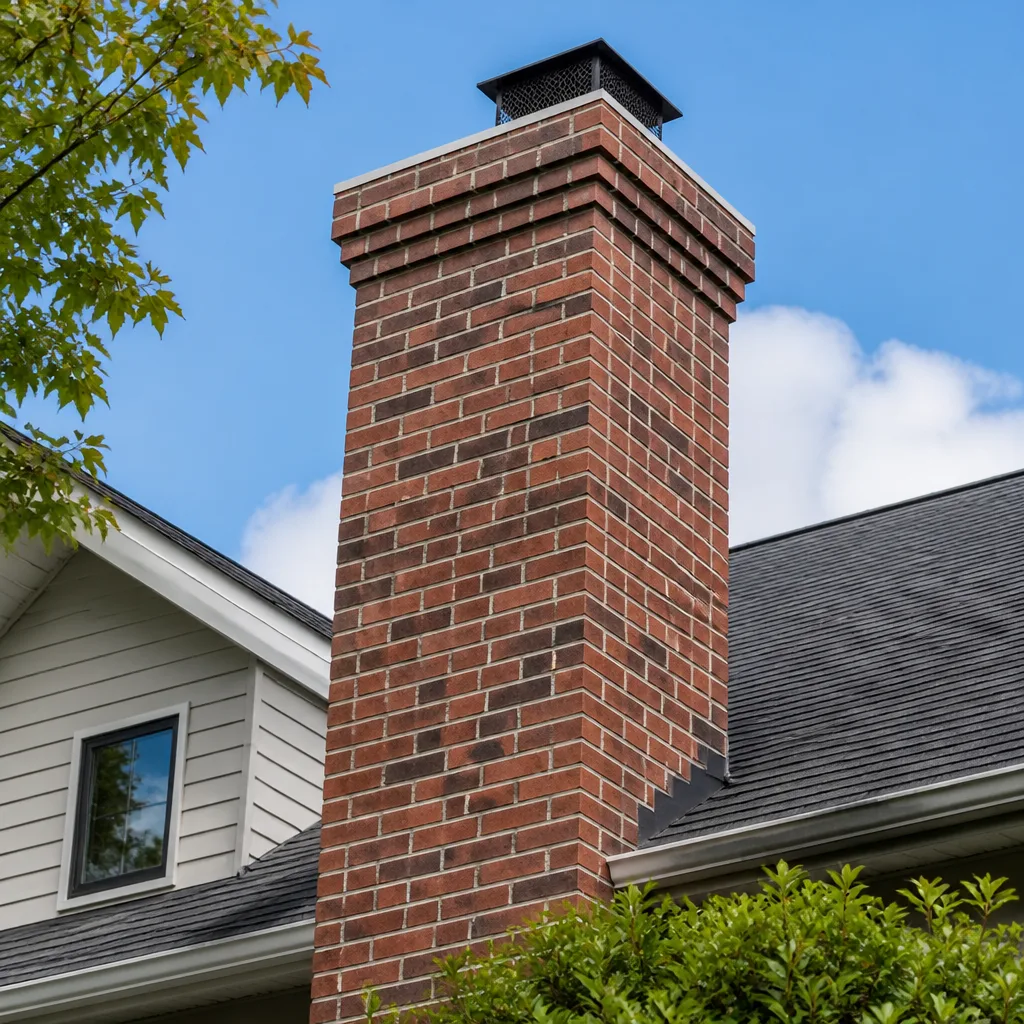 Masonry repair
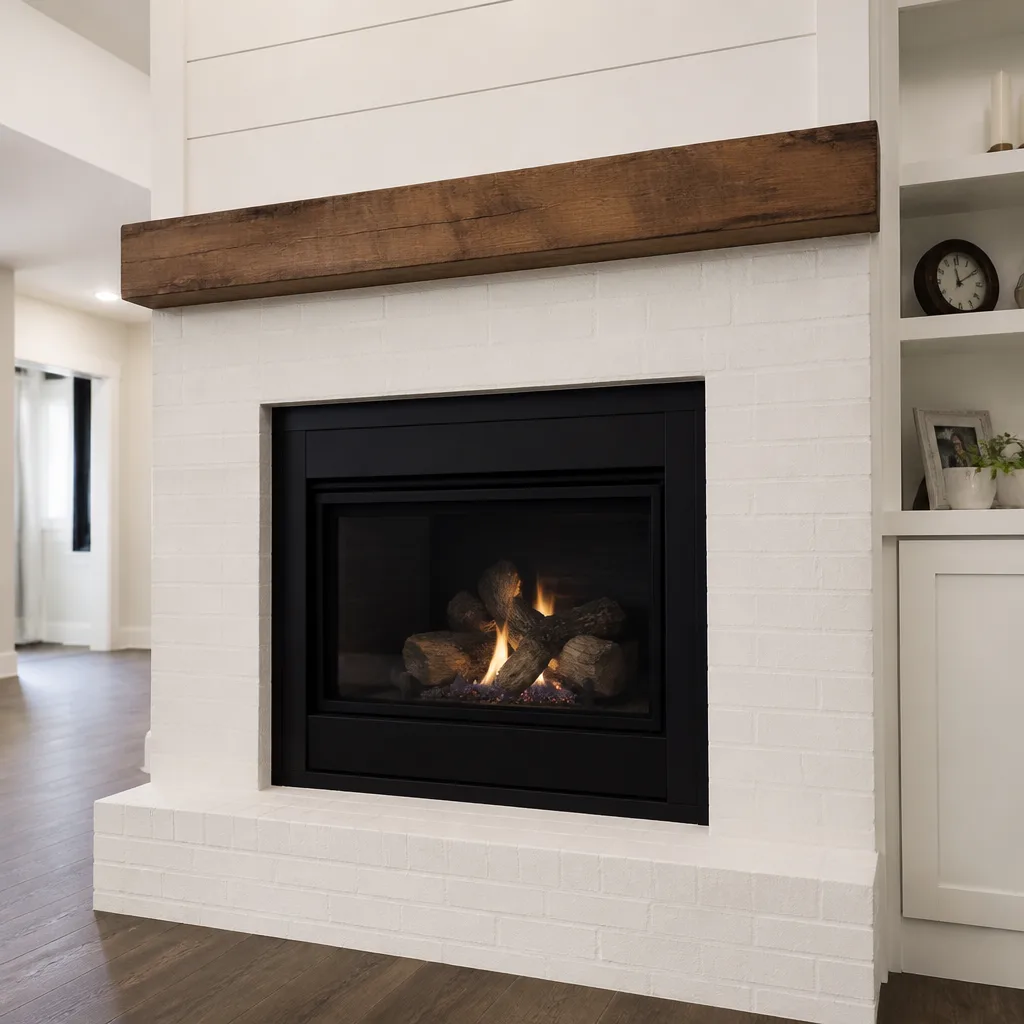 Gas fireplace service
Level 1 sweep and inspection to the NFPA 211 annual standard - flue, crown, cap, and flashing checked and photographed
Chimney sweep logs do not sweep chimneys. They loosen some creosote - which then falls where a brush and vacuum still have to collect it.
Seasonal Chimney Cleaning Care for South Jordan: Year-Round Homeowner’s Guide
The first real cold snap of the year is when flue problems show up, and it is also the worst time to deal with them. By then the repair calendar is crowded, the evenings are short, and every symptom gets worse under load. What surprises most homeowners is that a chimney rarely fails suddenly. It fails on a schedule that runs through the whole year, layered onto this valley’s particular weather. Winter inversions and no-burn alerts, a wet spring that works on crowns and flashing, and a summer nesting window that clogs flues before you ever light a fire. Align your maintenance with that rhythm instead of the calendar on the wall and most of the expensive surprises disappear. This guide walks through each season in South Jordan and shows you how to set a cleaning schedule that matches how you actually burn.
Quick Answer
Chimney care in South Jordan works best as a four-season cycle rather than a single fall chore: sweep and inspect before the first fire in September or October, watch creosote buildup through the burn season, repair crowns and flashing in wet spring before snowmelt and rain can reach the liner, and check for nesting and damage in summer before fall startup. Cleaning frequency itself should track how many cords you actually burn, not just the calendar year.
Styles & brands we work with
- Sweep & inspection
- Caps & crowns
- Flue relining
- Masonry repair
- Gas fireplace service
Table of Contents
- Why a South Jordan Chimney Has Its Own Calendar
- Fall (September-October): Before the First Fire
- Winter: Reading the Signs During Burn Season
- Spring (March-April): The Best Window for Repair Work
- Summer: The Nesting Window and Smart Scheduling
- How Often to Clean, Based on What You Burn
- What a Seasonal Visit Actually Covers
- Common Mistakes to Avoid
Why a South Jordan Chimney Has Its Own Calendar
A chimney in South Jordan lives through a wider swing of conditions than most homeowners expect. Winter delivers long, cold stretches with valley inversions, and those inversions come with no-burn advisory days when the fireplace gets shut down and then reopened hard when the air clears. That stop-start burning pattern matters. A fire that cools and re-lights repeatedly throws off different smoke and deposits than one that runs steadily.
Spring is the second half of the equation. Snowmelt soaks into brick, mortar, and the roof around the chimney, then April rain keeps everything wet. Cracks that looked minor in a dry October become water pathways into the flue in March. By the time summer arrives, the masonry is baking dry again and birds are looking for a place to nest, capped flue or not.
The point is that no single month tells the whole story. A chimney that passed a fall inspection can still develop a crown crack by spring. A cap that kept birds out last year can lose a screen over winter. This is exactly why we treat chimney care as a cycle rather than an annual event, and why our South Jordan Chimney Sweep approach is built around the local seasons rather than a generic schedule.
Fall (September-October): Before the First Fire
Fall is the most important window of the year, but it’s about more than booking a cleaning. The goal is to have the whole system verified before you need it, while there’s still time to address anything found without pressure. Here’s the sequence we work through.
- Sweep the flue if it’s due. Creosote from last season doesn’t clear itself, and a season’s worth of deposits sets the baseline for how the flue will perform this winter.
- Inspect the full system. That means the firebox, damper, smoke chamber, flue, crown, flashing, and cap. Findings should be documented, with photos, so you can see what the technician sees.
- Test the damper. A damper that sticks open or won’t open fully is a draft and efficiency problem. It’s also a common late-season discovery that gets missed when only the flue gets attention.
- Check the cap screen for summer nesting. Summer is when birds and squirrels investigate flues. A blocked screen or a nest sitting on top of the cap is the single most common reason a fall startup smokes into the room.
- Confirm the cap is intact and to spec. A missing or damaged cap lets water and animals in. Caps fitted with manufacturer components such as Gelco and Famco hold up better than generic aftermarket hardware.
Doing this in September or early October means repairs get scheduled with breathing room. Waiting until the first cold evening pushes everything into a crunch when the whole valley is calling at once.
Winter: Reading the Signs During Burn Season
Winter is not the time for a cleaning, but it is the time to pay attention. Your burn habits through inversion season determine how fast creosote accumulates, and the signs are usually visible to a homeowner who knows what to look for.
- Darker, glassier deposits on the flue walls or firebox. Sticky, tar-like creosote is what ignites in a chimney fire. It builds faster when fires are damped down to smolder instead of burning hot.
- A weak or smoky draft. If the fireplace suddenly smokes into the room on a cold night when it didn’t before, something has changed in the flue or the cap.
- More frequent re-lighting and cooler fires. The stop-start pattern during no-burn advisory days is a creosote factory. Burns that never reach full temperature leave more behind on the walls.
- Odor when the fireplace is cold. A strong smell coming from a cold firebox often tracks back to creosote or to moisture getting into the masonry.
None of these are a reason to panic, but each is a reason to book a mid-season inspection if you have one scheduled, or to get on the calendar for spring if you haven’t. The takeaway for winter is simple: burn hot, burn dry wood, and don’t let a smoldering fire run for hours because the outside air is bad. Your cleaning interval depends on it.
Spring (March-April): The Best Window for Repair Work
Spring is the season most homeowners skip, and it’s the season that saves the most money. The window between winter burn season and the wet weather of late spring is when crown sealing, flashing repair, and masonry work make the most sense, because the surface can dry and the repair can cure before the next round of moisture.
The specific problem is migration. Water gets into a chimney through three main paths: a cracked crown at the top, failed flashing where the chimney meets the roof, and deteriorated mortar joints on the exterior stack. Once water is inside, it travels down to the liner and the smoke chamber. Left alone through a wet spring, it starts showing up as efflorescence on the brick, rust on the damper, and eventually liner deterioration that turns a crown repair into a full relining job.
Post-season is also the logical time for an inspection, because everything that happened during the winter burn is still visible. Deposits are at their peak for the year, cracks may have opened, and any repair the winter justified is still in evidence. Spring repairs done now mean the chimney is sealed ahead of snowmelt that runs into summer, not after.
If you’re seeing water stains on the firebox or the ceiling near the chimney, that’s the moment to call. A repair made now is a chimney repair that prevents a much larger one later.
Summer: The Nesting Window and Smart Scheduling
Summer is chimney season that no one thinks of as chimney season. Birds, squirrels, and the occasional raccoon look for dark sheltered cavities in late spring and through summer, and a flue is a perfect cavity. Even a capped chimney needs a check, because a nest can sit against the inside of the cap screen, work its way into the smoke chamber, or block the flue entirely before fall.
Here’s why this matters for South Jordan homeowners specifically: the first cold night of the fall is when the phone calls spike, and a large share of them are blocked flues from unchecked summer nesting. The fix in October is the same as the fix in June, but in June you aren’t competing for the calendar with the whole valley.
Summer is also when the sweep schedule is at its lightest. If you intend to have the chimney swept before fall, scheduling in June or July means:
- You get the appointment window you actually want.
- Any repair found can be completed well before the first fire.
- You’re ahead of the August-October rush that fills early.
An annual mid-year check is a short visit. It confirms the cap screen is intact, the flue is clear, and no animal has taken up residence. If a cap is missing or damaged, having it replaced with a Gelco or Famco cap now prevents the problem from repeating.
How Often to Clean, Based on What You Burn
The “clean once a year” rule is a useful starting point but it isn’t the whole method. Certified sweeps set cleaning frequency based on actual fuel burned and how the fire was managed, not just whether twelve months have passed. Two households can burn the same amount and end up on very different schedules.
The working method looks like this:
- Count cords, not months. Roughly, a household that burns a cord or more a year needs an annual sweep and inspection. Lighter users can often stretch to every other year, subject to what the inspection finds.
- Assess burn quality. Hot, well-aerated fires with dry, seasoned wood leave less creosote than damped-down, smoldering fires. If you burn wet wood or routinely smother the fire overnight, your effective interval is shorter than the cord count suggests.
- Inspect visually each visit. Each cleaning comes with a look at the flue walls. Glazed or heavy deposits signal you’re overdue even if the calendar says otherwise.
- Adjust based on findings. If a sweep finds more buildup than expected at the last visit, shorten the interval for the next one. The reverse is also true.
This is why a single “annual” schedule isn’t right for everyone. A fireplace used every cold evening through a South Jordan inversion season and a fireplace used on holidays are not on the same clock. The sweep you book should be built around your actual burn pattern.
What a Seasonal Visit Actually Covers
A seasonal chimney visit is not just a brush through the flue. It’s a full-system check with the fireplace, flue, and exterior all included. Here’s what a proper visit covers:
- Sweep. Removal of creosote and soot from the flue and firebox, with proper containment so nothing gets into the room.
- Inspection. Firebox, damper, smoke chamber, flue, crown, flashing, and cap. Findings documented with photos.
- Fireplace repair. Damper issues, firebox cracks, and other fireplace-level problems that fall within scope.
- Chimney repair. Crown cracking, mortar deterioration, and flashing problems. Interior flue restoration uses the HeatShield ceramic repair system, a professional-grade product that isn’t available to general handymen.
- Cap and crown. Manufacturer-spec caps from Gelco and Famco, and crown work that seals the top of the stack against water intrusion.
Having these under one roof matters. A defect found during a sweep can be diagnosed and fixed within the same relationship instead of being referred to a separate contractor, and the technician who finds the problem is equipped to fix it. That’s not a marketing line; it’s how the scope of work should be structured. You can read more about the cleaning side of that visit on our chimney sweep page.
Common Mistakes to Avoid
- Waiting for the first cold night to call. By the time the fire won’t draw, the problem is already urgent. Fall scheduling works best in September, before the valley-wide crunch. In South Jordan, the swing from mild to cold happens fast.
- Skipping spring because the chimney “worked fine” all winter. A chimney can function through winter and still be taking on water through a cracked crown. Water damage is cumulative and doesn’t show up until it’s expensive.
- Assuming the cap blocks nesting on its own. Screens fail, sides loosen, and animals find a way. The summer check exists precisely because the cap is not a guarantee.
- Cleaning on the calendar instead of the cord count. A household that burns lightly and gets swept every year is spending money it doesn’t need to. A heavy burner on an annual schedule may be under-swept. Frequency should match how much you actually burn.
- Burning damped-down fires during no-burn advisories. A smoldering fire the whole valley is trying to avoid on a bad-air day is also the fastest way to lay down glazed creosote. Use the down time, don’t fight through it.
- Letting a general handyman handle flue repair. Interior flue restoration requires product and technique that general contractors don’t carry. HeatShield is a technician-only ceramic system for a reason, and a wrong interior repair can fail under the first real burn.
- Replacing a cap with the cheapest hardware available. Generic caps fit poorly and fail early. Manufacturer-spec caps from Gelco and Famco keep out what they’re supposed to keep out over the years, not just the first season.
When to Call a Professional
Some issues are worth calling on immediately rather than waiting for the next scheduled visit. If you smell a strong, tarry odor from a cold fireplace, see water stains on the firebox or the ceiling near the chimney, notice a chunk of the crown or flashing that’s loose or missing, or find that the fireplace smokes into the room when it didn’t before, that’s a professional visit. A blocked or obstructed flue, a damaged cap, and a crack you can see in the firebox are all reasons to schedule time. Chasing a chimney fire is not something to improvise, and neither is interior flue restoration, so please leave both to a technician. South Jordan Chimney Sweep offers free estimates in South Jordan. Call (866) 937-8549. We answer 24/7. Fast dispatch from 7am to 7pm, Sunday through Friday. Our technicians have up to 11 years of experience, and the same specialist who diagnoses a problem during a sweep is equipped to repair it.
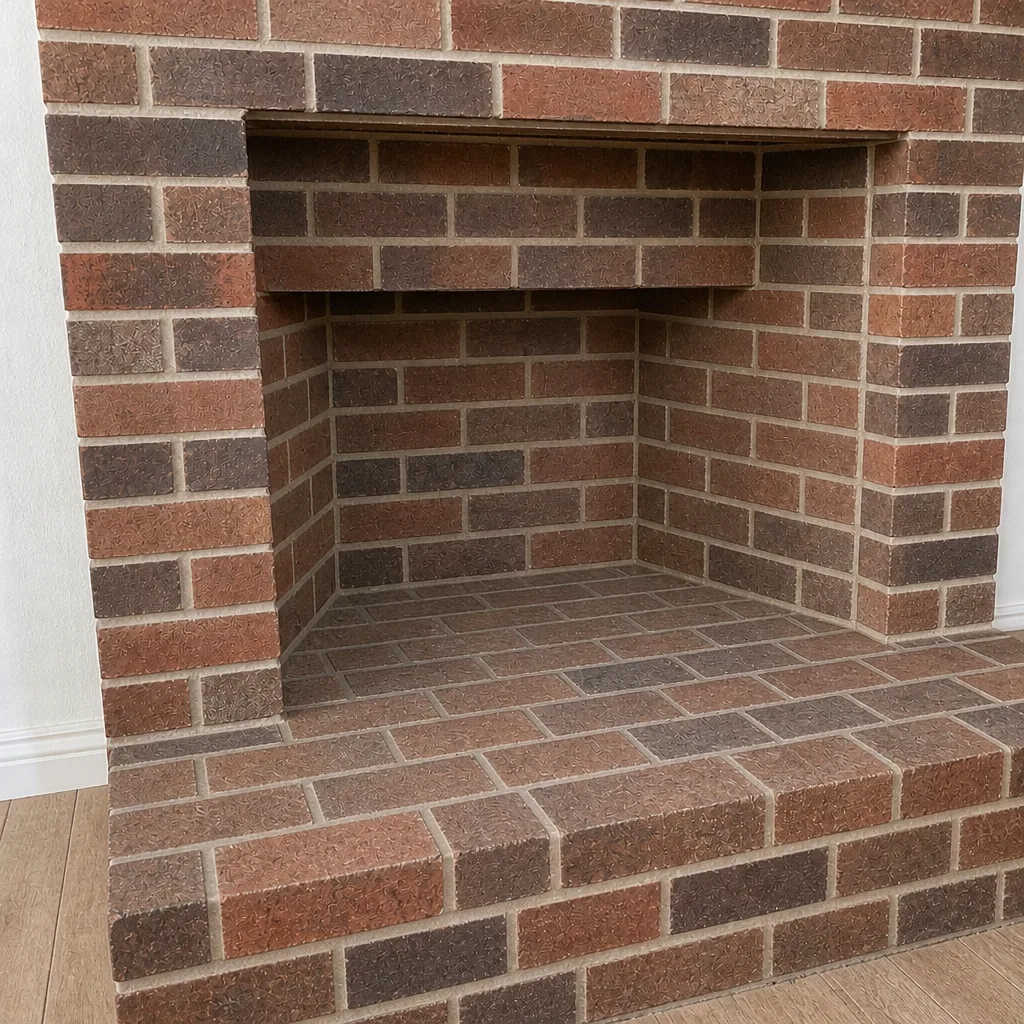
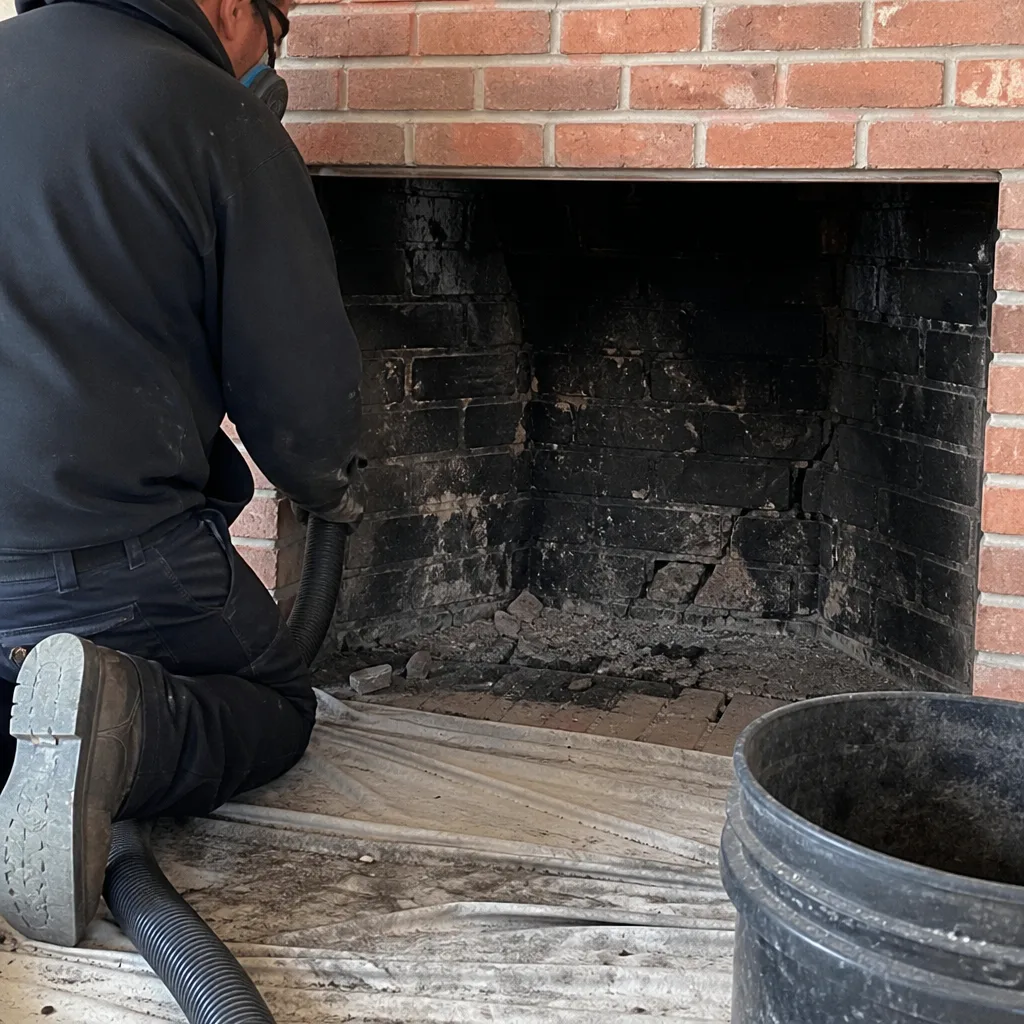
See the difference
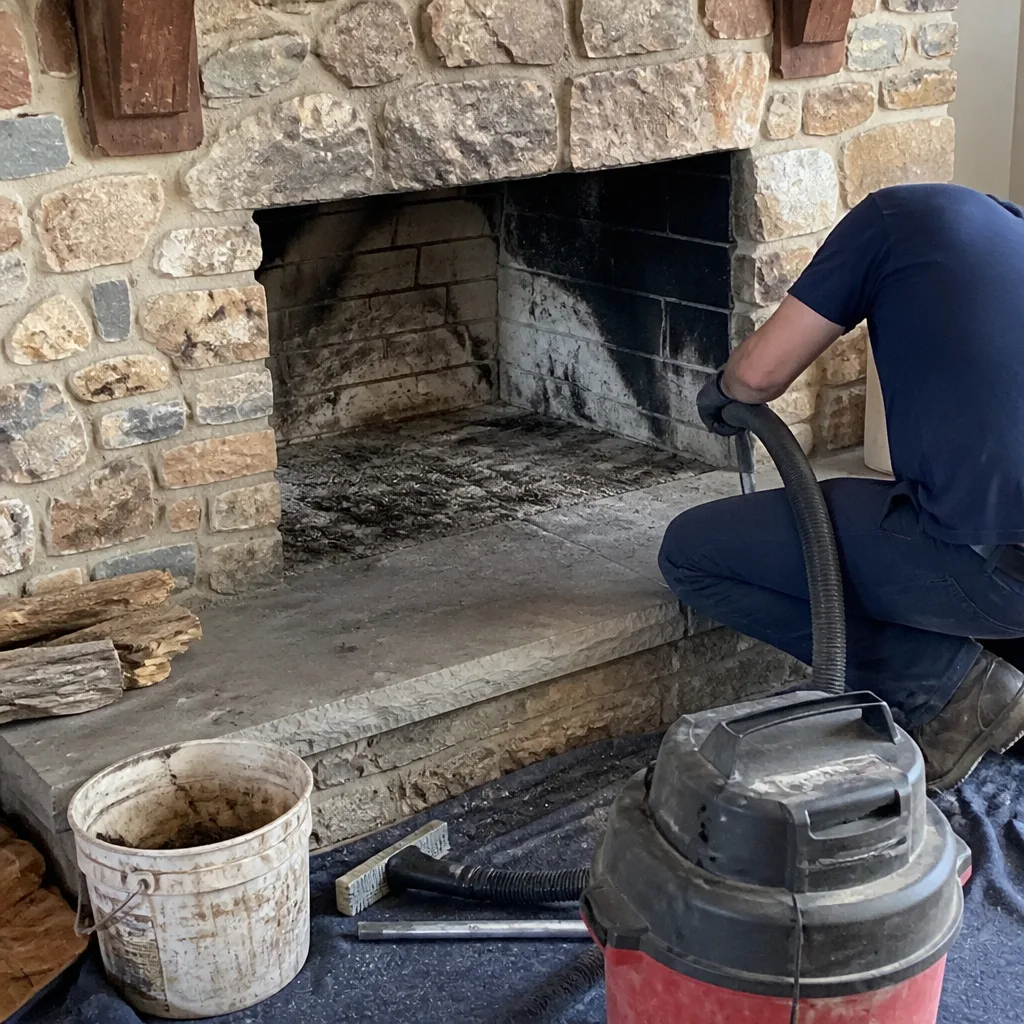 Before
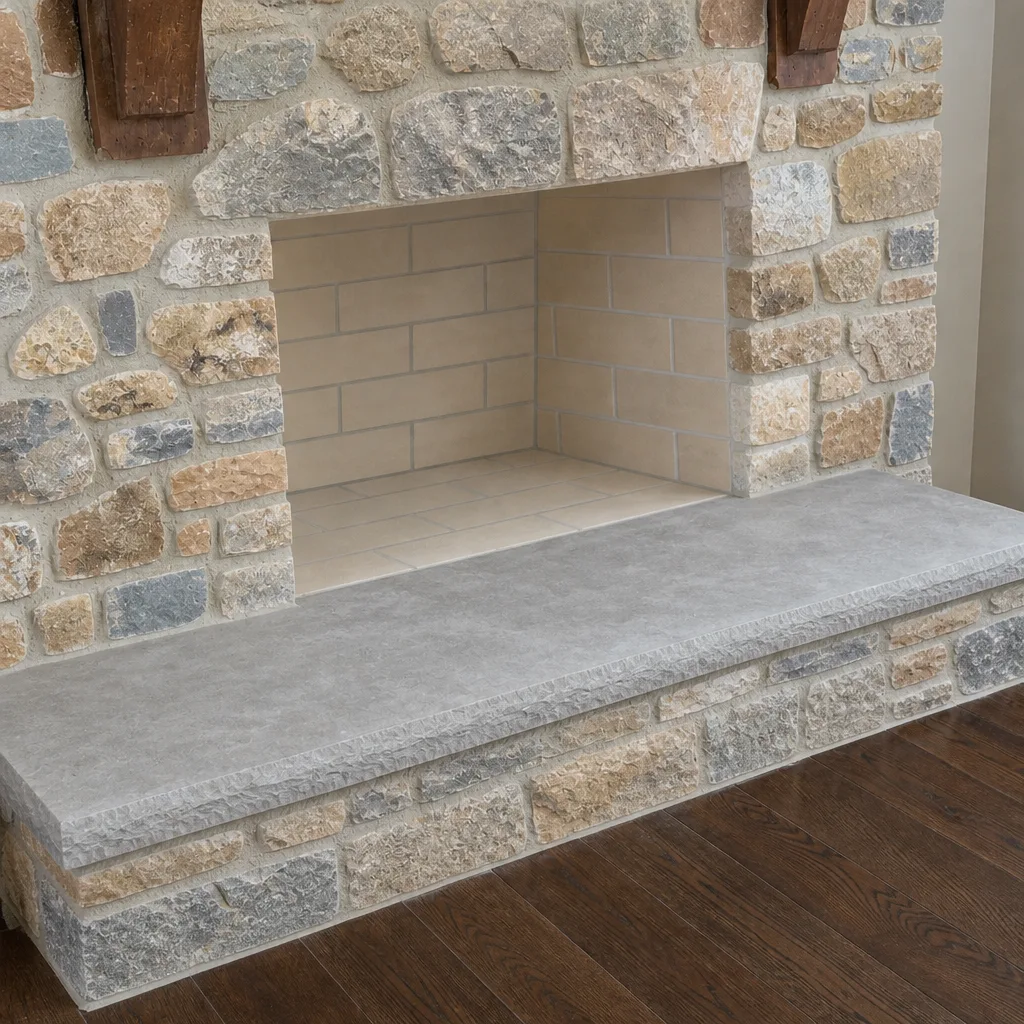 After
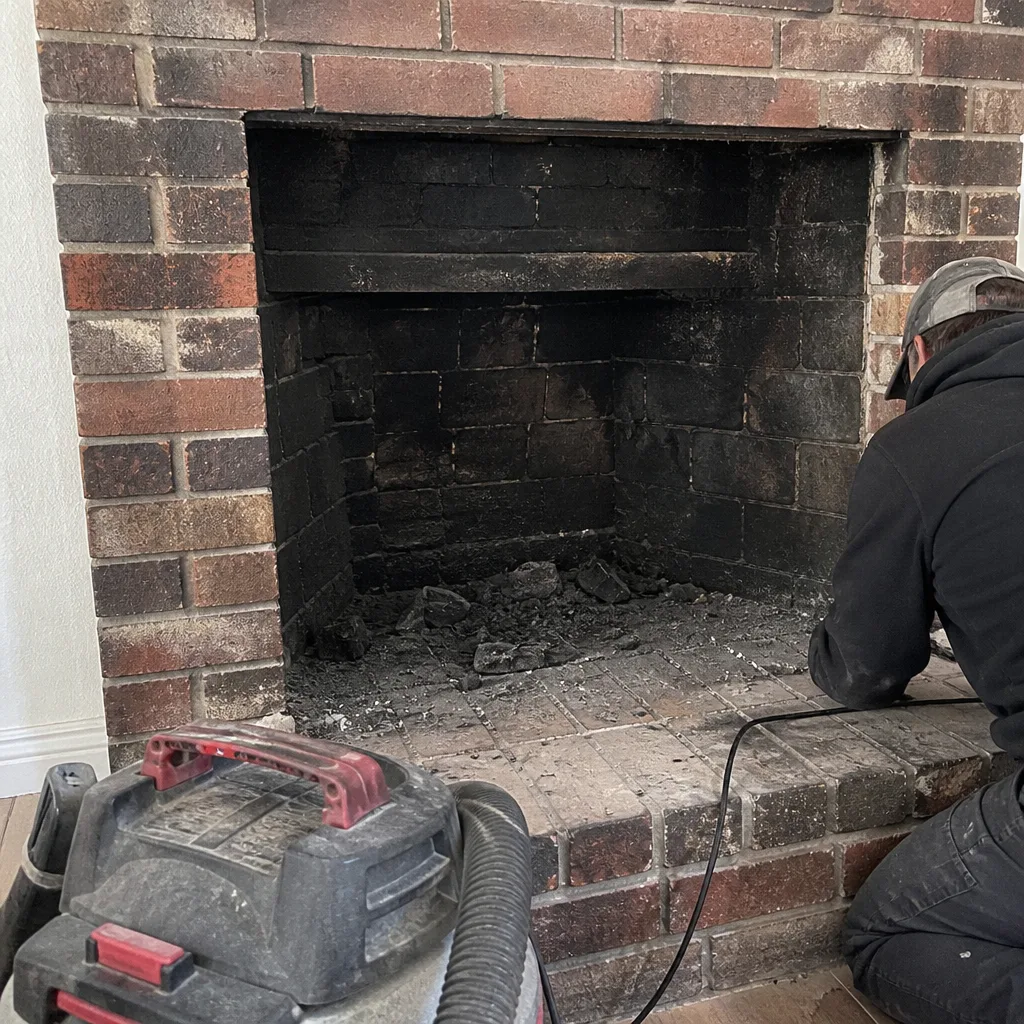 Before
 After
 Before
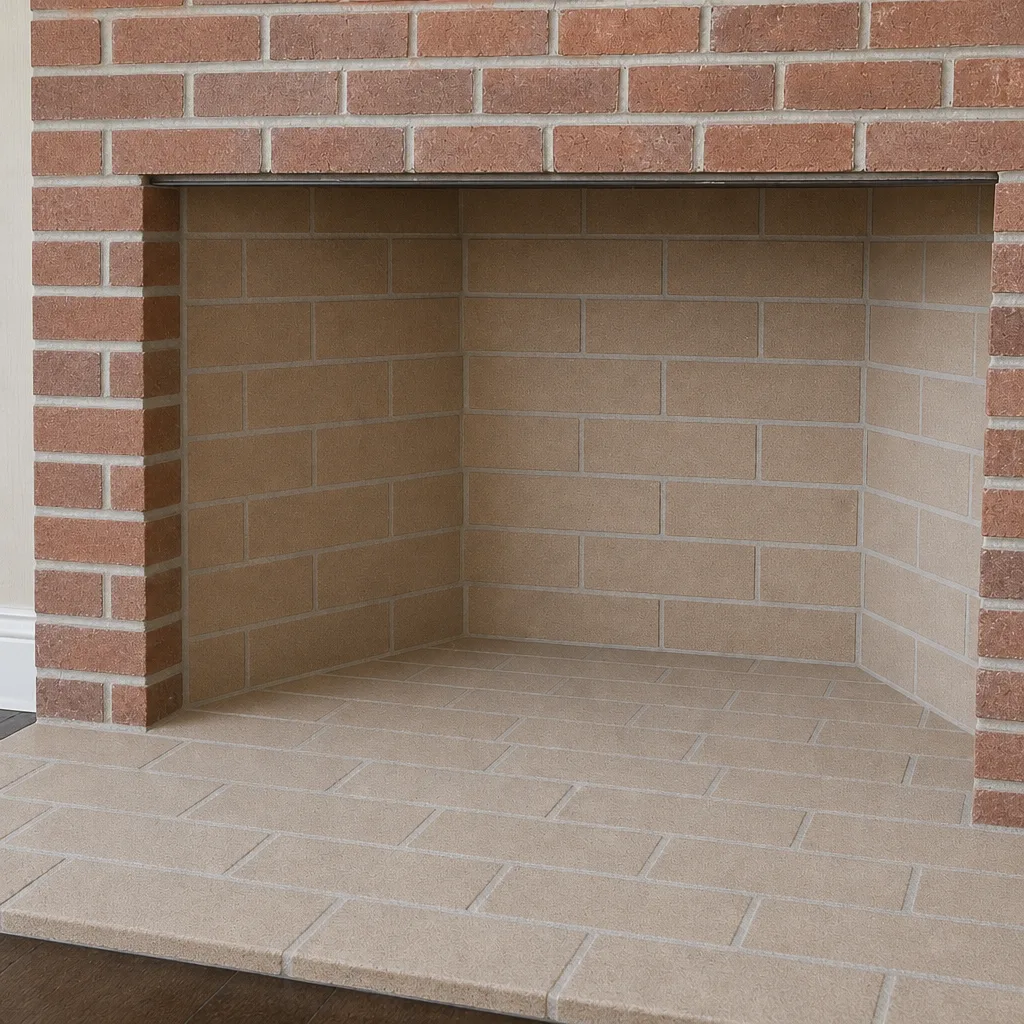 After
Frequently Asked Questions
Roughly once a year for a household that burns a cord or more per season, with lighter users often stretching to every other year depending on what the inspection finds. The real driver is fuel burned and burn quality, not the calendar. A heavy-burning fireplace through an inversion season accumulates creosote faster than one used occasionally, and the sweep interval should reflect that. Call (866) 937-8549 for an exact quote. Estimates are free.
Late summer through early fall, ideally September, is the best time to have the chimney swept and inspected so any repair can be completed before the first fire. Summer is a good alternative for the same reason: the sweep calendar is lighter and problems found have time to be repaired. Spring is the best window for crown and flashing work because the surface can dry and the repair can cure before the next wet weather.
Yes. Caps with screens can lose the screen, loosen, or sit above a gap an animal can work through, and a nest can end up against the screen or inside the smoke chamber. That’s why a summer check makes sense even with a cap in place. In our experience, fall startup calls are frequently caused by summer nesting that wasn’t checked, and the fix is a quick visit if it’s caught before October.
In most cases, yes, and in spring, before the next round of wet weather. A crown crack lets water into the top of the stack, and water travels down to the liner and smoke chamber. Left alone through a wet spring, a small crown repair can become liner work. A proper inspection with photos shows you exactly what needs fixing and lets you decide.
A strong tarry odor from a cold fireplace, a fireplace that starts smoking into the room, or visible water staining near the chimney are all reasons to call before spring. Dark, glazed deposits on the flue walls signal heavier creosote buildup than the burn habit suggests, and a mid-season inspection may be the right call. Call (866) 937-8549 for an exact quote. Estimates are free.
Indirectly, yes. Burning through a no-burn advisory, or damping down fires to smolder so less smoke goes up the stack, leaves more creosote on the flue walls than a hot fire does. The chimneys we see with the heaviest deposits tend to belong to households that burn damped-down fires during the cold inversion season. That pattern is the signal to shorten the cleaning interval for the next visit.
The Bottom Line
Chimney care in South Jordan runs on the calendar whether you plan for it or not. Sweep and inspect before the first fire in September or early October. Watch your burn habits during winter’s inversion season, because smoldering fires are what lay down the creosote that drives the next cleaning. Use wet spring’s early window for crown and flashing repair, before snowmelt and rain find a way down the flue. And check for nesting in summer, even with a cap on, so your first cold fire doesn’t smoke into the room. Set your cleaning interval by cords burned, not the year on the wall, and most of the expensive surprises stop happening. Our technicians have up to 11 years of experience and work with professional-grade brands including DuraFlex, HeatShield, Olympia Chimney, and Copperfield.
Contact
If you’re setting up a seasonal schedule for the first time or you’re overdue on a sweep and want a clear picture of what your chimney needs, we’re ready to help. We offer the full chimney service spectrum, from cleaning and inspection through fireplace repair, chimney repair, and cap and crown work, and we document findings with photos so you can see what the technician sees. Call (866) 937-8549 for a free estimate. We answer 24/7. Fast dispatch from 7am to 7pm, Sunday through Friday.
Written by the team at South Jordan Chimney Sweep.