
Last updated November 24, 2026
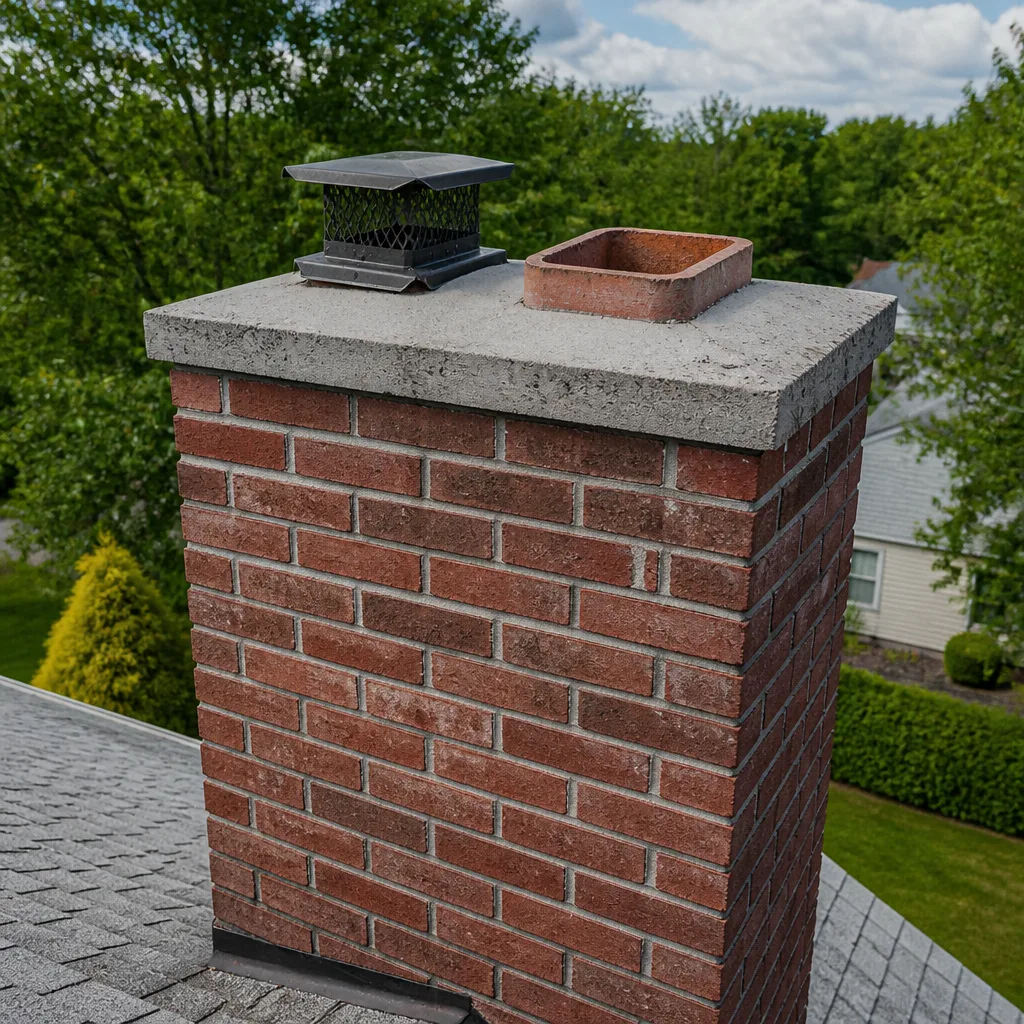 Sweep & inspection
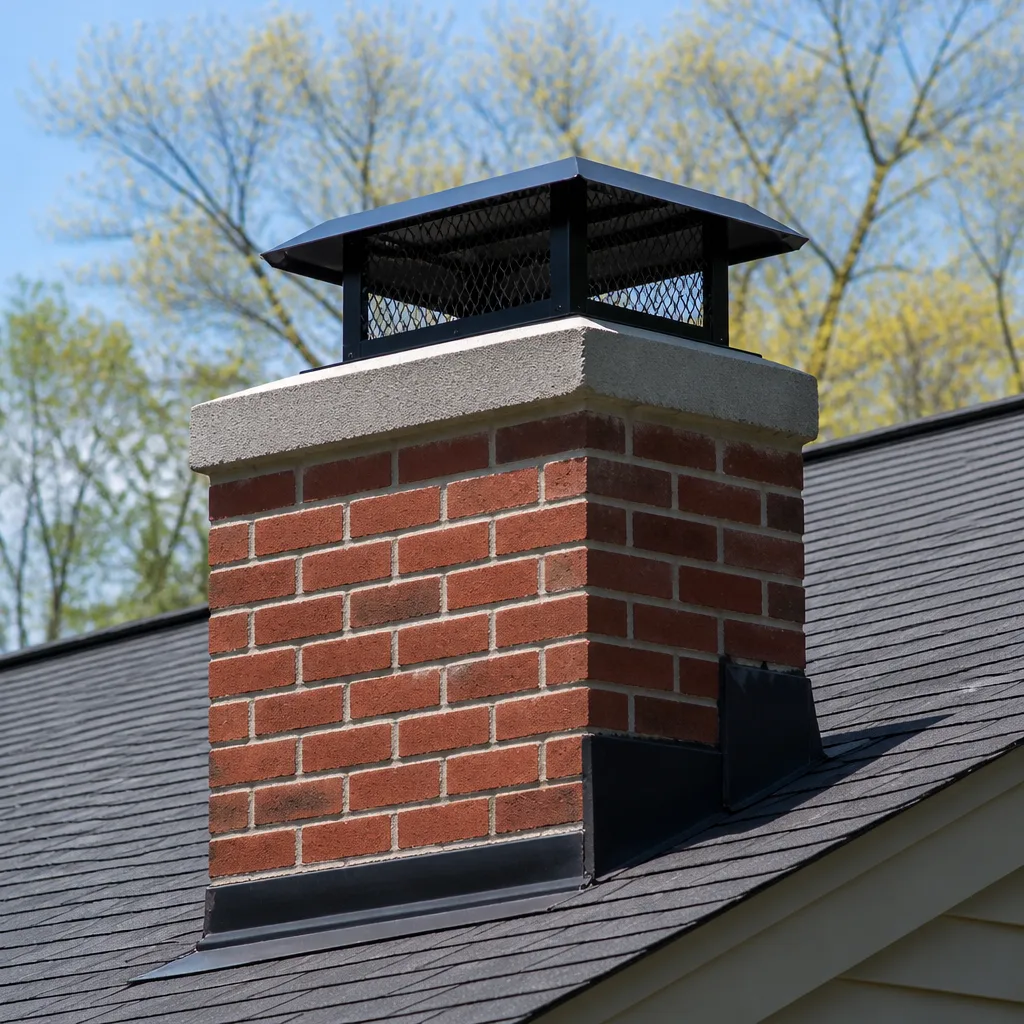 Caps & crowns
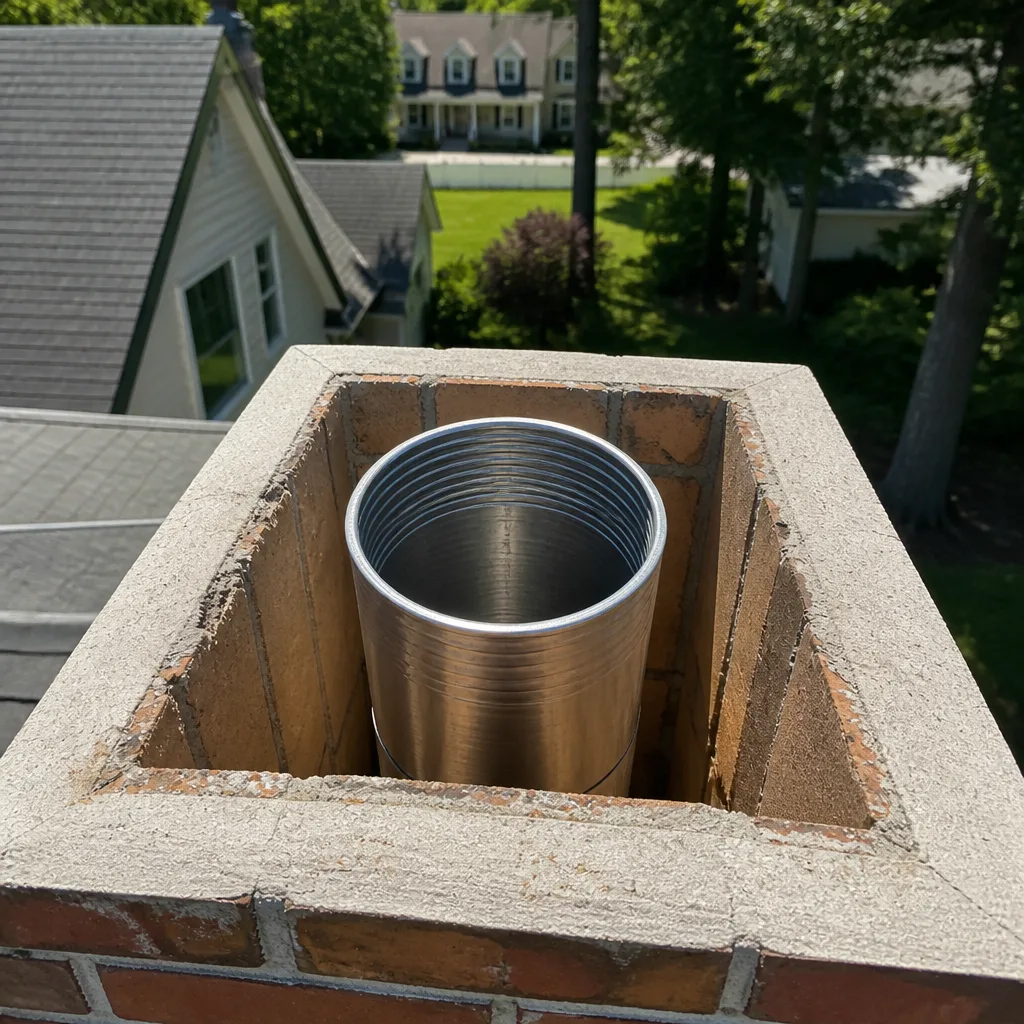 Flue relining
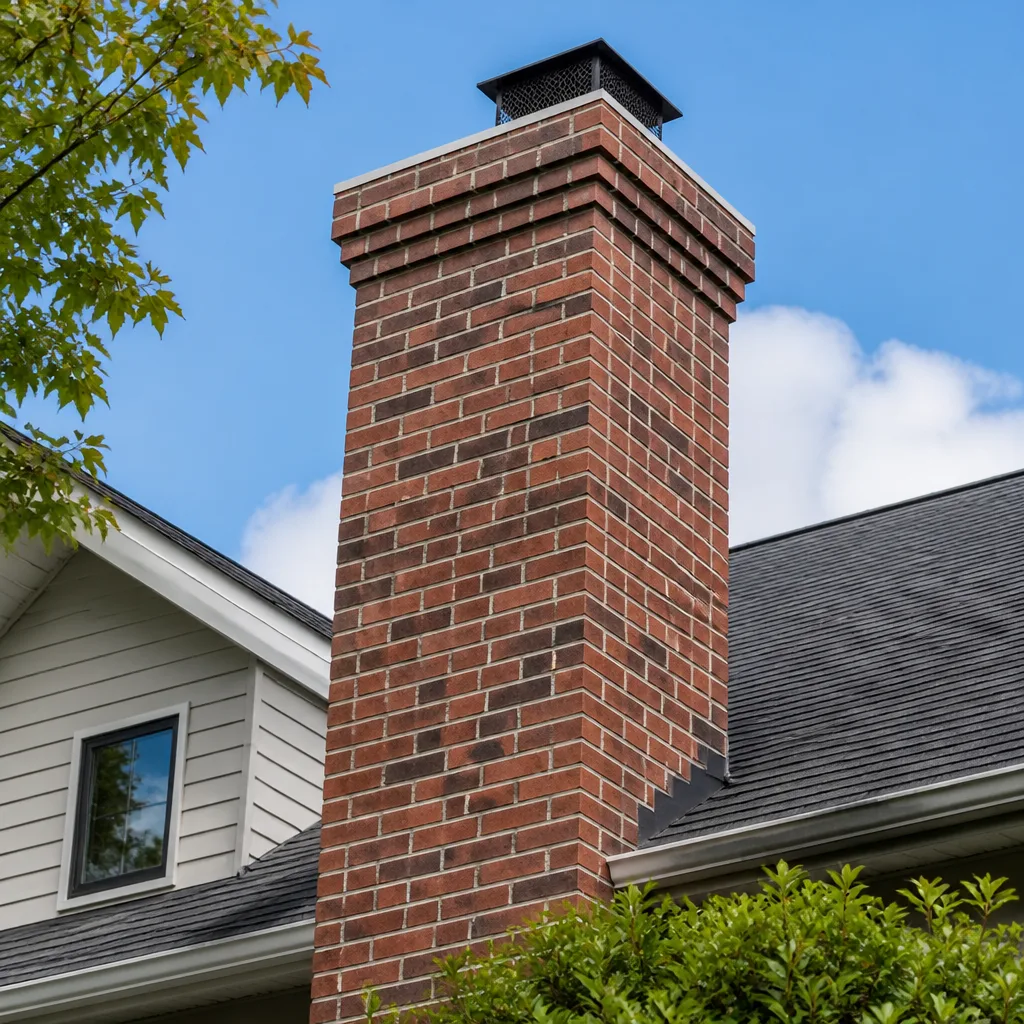 Masonry repair
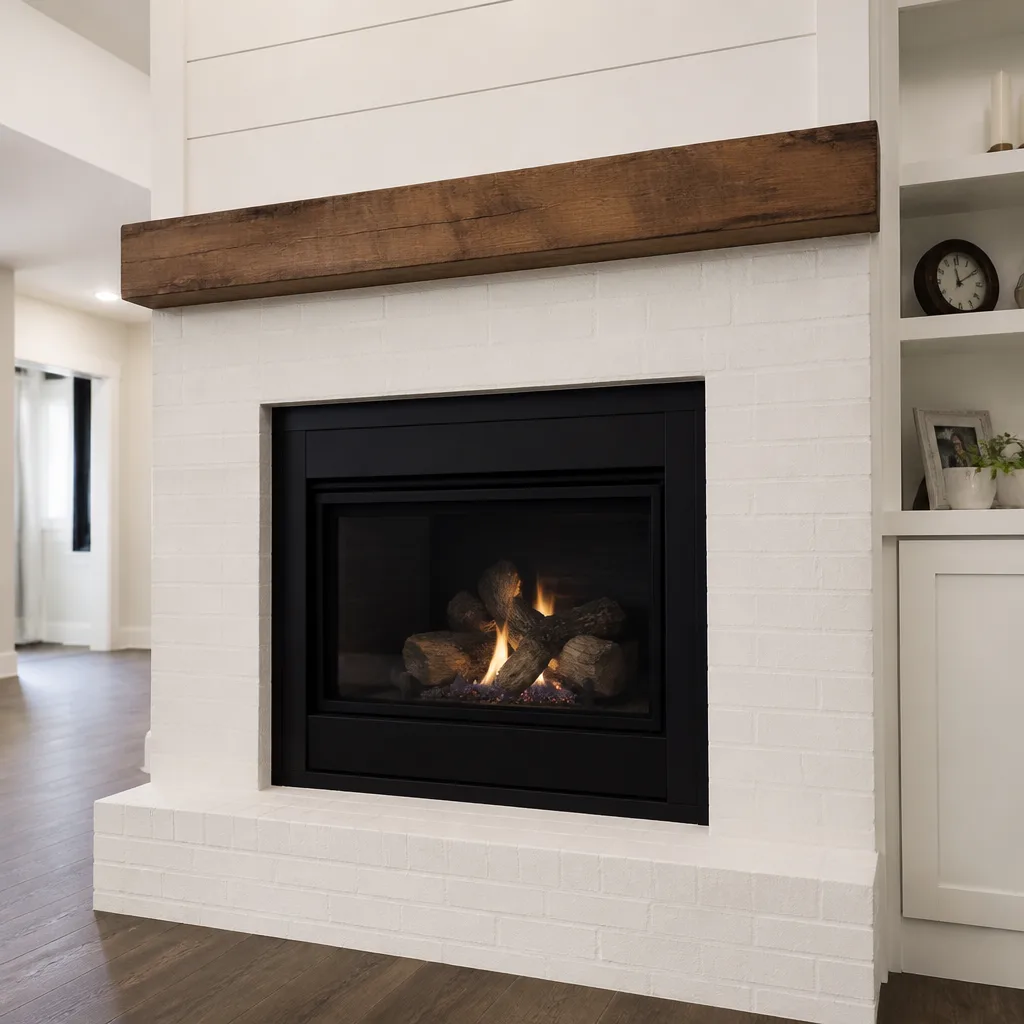 Gas fireplace service
Level 1 sweep and inspection to the NFPA 211 annual standard - flue, crown, cap, and flashing checked and photographed
Chimney sweep logs do not sweep chimneys. They loosen some creosote - which then falls where a brush and vacuum still have to collect it.
Chimney Cleaning Emergency Preparedness Guide for South Jordan Homes
A chimney fire doesn’t always sound like a roar. It can burn slowly and silently inside the flue while temperatures climb past 2,000°F, quietly warping a liner or cracking a flue tile without a single visible flame in the firebox. Most South Jordan homeowners picture a dramatic event with flames shooting from the top of the chimney; the slow, oxygen-starved version is the one that does structural damage before anyone notices. This guide walks through how to recognize the different kinds of chimney emergencies, the correct response sequence when one starts, what to do the morning after, and how to build a household plan that keeps the emergency from happening in the first place.
Quick Answer
If you suspect a chimney fire, close the damper, get everyone out of the house, and call 911 from outside. Do not open windows near the fireplace and never throw water into the firebox. After any chimney fire, the chimney must be inspected before it’s used again, and NFPA 211 calls for a Level 2 inspection to document the damage. In South Jordan, the faster path is preventing the fire through annual sweeps and, on gas fireplaces, verifying the flue isn’t partially blocked so carbon monoxide can’t backdraft into the living space.
Styles & brands we work with
- Sweep & inspection
- Caps & crowns
- Flue relining
- Masonry repair
- Gas fireplace service
Table of Contents
- How a chimney fire starts and what it needs to burn
- How to identify an active chimney fire in progress
- The correct response sequence: close, leave, call
- Why opening windows or throwing water makes it worse
- Carbon monoxide risk on gas fireplace flues
- What to do after a chimney fire before you burn again
- Building a household chimney emergency card
- The South Jordan prevention plan
How a Chimney Fire Starts and What It Needs to Burn
Every chimney fire is the same story in different clothing: creosote, heat, and oxygen. Creosote is the residue left behind when wood burns incompletely, and it accumulates on the flue walls in three forms. The first is a light, sooty fluff that brushes off easily. The second is a brittle, flaky crust. The third is a hard, glazed, tar-like layer, and that’s the form that fuels the most destructive chimney fires because it burns hot and clings to the flue.
What creates creosote in a South Jordan chimney is a mix of fuel choice and burn conditions. In our experience, the pattern repeats across the valley:
- Unseasoned wood. Wood with high moisture content burns cooler, which means less complete combustion and more residue on the flue walls.
- Smoldering fires. Damping a fire down overnight or burning slow, low-oxygen fires produces more creosote than a hot, active burn.
- Oversized fireboxes with undersized fires. Small, cool fires in a large firebox leave the flue too cold to draft well, and a poor draft deposits more residue.
- Infrequent sweeping. Creosote builds faster than most people expect, and once it reaches the glazed stage it’s no longer a sweep-only job.
A cold, blue winter day in South Jordan with a strong inversion overhead is a poor time to burn. Inversions trap smoke and particulate matter at ground level, and a chimney that isn’t drafting cleanly doubles down on the problem. On inversion days, burn hot small fires or skip it. Your flue, your air, and your neighbors all benefit.
The good news: creosote buildup is measurable. A sweep with a camera can show you exactly how much is on the flue wall and in what condition. That’s one reason we recommend a yearly chimney sweep regardless of how many fires you’ve burned. A light fire season still produces a measurable layer of soot, and the cost of sweeping is trivial next to the cost of a flue fire.
How to Identify an Active Chimney Fire in Progress
Two kinds of chimney fire exist: the fast, loud, open kind and the slow, contained kind. A homeowner can hear the first, but often misses the second. The table below is the checklist we walk South Jordan homeowners through so they know what to watch for and call in.
- Sound. A low, roaring rumble that sounds like a freight train or distant jet engine. You may also hear a series of loud pops or a rapid tapping like a machine gun, which is burning creosote forming pockets of gas and bursting.
- Smell. A sharp, hot, acrid smell in the room, or a hot, burning-tar smell that seems to come from the fireplace even when no fire is visible. On gas fireplaces, a metallic or chemical smell with no source is a red flag.
- Visible smoke. Puffing smoke from the fireplace into the room, or smoke that goes from clean to dark, thick, and continuous at the top of the chimney.
- Exterior clues. Sparks or glowing embers visible at the chimney top, a dark plume from the flue, or black smoke stains that appear suddenly on the chimney’s exterior masonry. In South Jordan, the most obvious exterior signal is that the chimney cap has gone from normal to deeply discolored or is smoking even when the fire is dying down.
- Temperature changes. The adjacent wall or hearth becomes noticeably hotter than usual to the touch, or the firebox door or glass becomes too hot to comfortably hold a hand near.
Contained versus open-flame matters for your response. A contained fire burns inside the flue and is often identified through sound, smell, and exterior signs. An open-flame fire is the one that may extend from the top of the chimney, damage masonry, or pull flames back into the room. Both require 911. Do not wait to see whether the contained version resolves itself; that’s how the small fire turns into the structural one.
When in doubt, treat it as active. False alarms are cheap. A missed fire isn’t. If you’ve never seen what a properly burning fireplace looks and sounds like, ask a technician to walk you through it during your next inspection. It takes ten minutes and you’ll never mistake the two again.
The Correct Response Sequence: Close, Leave, Call
The instinct to fight a chimney fire is wrong, and it can get you hurt. The correct sequence has three steps and you do them in order.
- Close the damper (if it’s safe to reach). Cutting off oxygen starves the fire and slows the burn, buying time for first responders. If the firebox door is too hot to touch or flames are already in the room, skip this step and leave.
- Get everyone out of the house and call 911 from outside. No phone calls from inside. No gathering belongings. If you have pets, get them out only if doing so doesn’t delay you. Once outside, keep people clear of the chimney top and the area around the flue in case masonry or a cap fails.
- Stay out until the fire department says it’s safe to return. A contained fire can smolder inside a flue for hours. Firefighters will inspect the flue and roof before they clear the scene, and their assessment matters more than what you can see from the ground.
Before the fire department arrives, do one more thing if you can safely: tell them the last time the chimney was swept and whether you’ve noticed any draft problems. That information helps firefighters understand what they’re walking into. It’s also the reason the emergency card discussed later in this guide sits magnet-side on the refrigerator.
Parents should walk through this sequence with kids once a year. Children who know where the door is, how to leave, and that they should not open a fireplace door during an emergency react better than kids who’ve never been told. South Jordan families with fireplaces in their homes are no different from anyone else in that regard.
Why Opening Windows or Throwing Water Makes It Worse
Opening windows near a fireplace during a chimney fire feels like a logical move. It isn’t. A chimney fire draws its oxygen from the room, and adding a fresh supply through an open window accelerates the burn. It can also reverse the draft and pull smoke, soot, and embers into the living space rather than up the flue.
Throwing water into the firebox is worse. A small amount of water hits a fire that’s burning at well over 1,000°F and flashes instantly into steam. That steam expands violently, pushes smoke and flame back into the room, and can crack a hot firebox liner or flue tile. On metal liners, the thermal shock can warp joints. What you think you’re extinguishing, you’re actually feeding and cooling unevenly.
If the fire is active enough that you can see flames inside the firebox, you’re past the point where household water is the answer. Close the damper if you safely can, leave the house, and let the fire department handle it. Your job is evacuation. Their job is suppression. Confusing the two is how a contained fire turns into a house fire.
A sealed firebox door is your first line of defense when you can’t safely reach the damper. It keeps the fire contained and keeps smoke out of the room. Make sure the door and its gasket are in good condition during your annual inspection.
Carbon Monoxide Risk on Gas Fireplace Flues
Carbon monoxide is the emergency that doesn’t look like an emergency. It’s colorless, odorless, and produces no visible smoke. A partial blockage in a gas fireplace flue doesn’t announce itself with flames; it quietly creates a backdraft condition that pushes exhaust products into the living space while the fireplace appears to burn normally.
Partial blockages in South Jordan homes often come from nesting birds or debris at the chimney cap, a broken damper left nearly closed, or a flue that’s out of spec for the fireplace inserted into it. We’ve seen all three. In each case, the homeowner noticed nothing unusual. That’s what makes CO so dangerous.
The placement of a CO detector matters more than most people realize. Carbon monoxide mixes with room air and sits at breathing level, not at the ceiling. Ceiling-mounted CO detectors miss the gas in exactly the conditions where a person is most likely to be sleeping. Place CO detectors at sleeping level, in bedrooms and hallways near bedrooms, and on every level of the home that has a fuel-burning appliance. Test them monthly and note the test date on the emergency card (see below).
A working CO detector is the difference between a warning and a wakeup. If your detector has ever gone off, get out, call 911, and don’t re-enter until the fire department clears the home. Then get the chimney and venting inspected before you use the fireplace again. Here’s a fast rule: fireplace repair for the firebox and damper side, chimney inspection for the flue side. Both are worth doing after any CO event.
What to Do After a Chimney Fire Before You Burn Again
After a chimney fire, the chimney is not the same chimney. Even a contained event can crack a flue tile, warp a metal liner, loosen mortar joints, or deposit glazed creosote in a form that regular brushing won’t remove. The fire department may extinguish it and clear the scene, but they don’t certify the flue. That’s a separate step.
NFPA 211 requires a Level 2 inspection after any chimney fire before the appliance is used again. A Level 2 inspection is more than a visual check:
- A camera is run through the full flue to document internal conditions
- The inspector examines the firebox, damper, smoke chamber, flue, and cap
- Any accessible portions of the chimney’s exterior and adjoining structure are checked
- You receive a written report with photos or video of what was found
That report is what tells you whether the chimney is safe to use, needs a repair, or needs a liner replacement. Any recommendation should be tied to what the camera shows, not to what a technician suspects. You should be able to see the same damage they see, in the same video, and make a decision from evidence rather than trust.
If the report shows damage that requires a liner, professional chimney specialists work with specific systems for a reason. We install DuraFlex liners because they’re built to chimney-industry spec and engineered for the temperatures a chimney can see. For flue wall damage that doesn’t require a full liner, HeatShield ceramic repair technology is a professional-grade option unavailable through general handymen; it restores the interior without a full replacement in the right conditions. A HeatShield evaluation should always be based on the same camera findings, not on a sales conversation.
The morning after a chimney fire, before you call anyone, write down what you observed. Sounds, smells, when the fire started, how long it lasted. That timeline feeds into the inspection and helps any professional form an accurate picture.
Building a Household Chimney Emergency Card
When first responders arrive, they ask four questions in roughly this order. You should be able to answer all four without thinking. The simplest way is to write them down.
- Chimney contractor phone number. Ours is (866) 937-8549. If you have a regular sweep you use, put their number here too.
- Gas shutoff location. Find it now, before you need it. Most South Jordan homes have the meter outside; write down which side of the house and what the valve looks like.
- Last CO detector test date. Test them monthly. Note the date on the card. If they haven’t been tested in months, test them today.
- Last inspection record. If your chimney was inspected by a professional, note the date and who did it. If you’ve never had one, write “none.” That’s useful information for a firefighter assessing risk.
Laminate the card and stick it to the refrigerator or the inside of a kitchen cabinet. Keep a second copy in the glove box of the household’s main vehicle. Kids old enough to answer the door should know where it is and what’s on it.
This card is the kind of thing that feels unnecessary until it’s needed, and then it’s the difference between a calm response and a panicked one. Every firefighter we’ve ever talked to appreciates a homeowner with answers. The card gives them that.
The South Jordan Prevention Plan
You can spend a lot of energy preparing for a chimney emergency, or you can prevent one. We’d rather help you do the second. The four-step plan below is what most South Jordan homeowners find workable without becoming obsessed with the fireplace.
- Burn seasoned wood and burn hot. Seasoned wood is below 20% moisture content. Buy it in spring, store it under cover, and don’t burn it until fall. Build smaller, hotter fires rather than slow, smoldering ones.
- Schedule an annual sweep before each burning season. The best time is late summer or early fall, before the first cold snap hits and before the first wood gets loaded. A chimney repair list from the same inspection can be scheduled then, when the calendar is flexible.
- Get a Level 1 inspection every year with the sweep and a Level 2 whenever something changes. A Level 1 is a visual check; a Level 2 adds camera inspection and is required after any fire, a change in fuel type or appliance, or a real estate transaction. If you’re moving into a South Jordan home with a fireplace you haven’t personally used, start with a Level 2.
- Keep a cap on the chimney. A cap keeps out birds, squirrels, rain, and snow. We install Gelco and Famco caps because they’re built to chimney-industry spec, not generic hardware store components. A cap that fits properly also protects the crown from freeze-thaw damage across a Utah winter.
On inversion days in South Jordan, when the valley traps cold air and smoke hangs low, pause the fireplace and let the air clear. The Wasatch Front sees these days several times a winter, and burning during them sends more smoke out than a flue can move cleanly. If you must burn, burn small and hot, and crack a window near the fireplace to keep the draft moving.
Our technicians have up to 11 years of experience across the full range of chimney work: sweeping, inspection, repair, and cap installation. We work with professional-grade materials from DuraFlex, HeatShield, Gelco, and Olympia Chimney because those are the systems the trade uses, not the ones the big-box aisle happens to carry. That’s not a marketing point; it’s how a chimney that’s built to last actually gets built.
Common Mistakes to Avoid
- Assuming a silent chimney is a safe chimney. Chimney fires burn silently more often than dramatically. If you’ve had a hot, intense fire and haven’t had the chimney inspected in over a year, get it checked before the next burn.
- Throwing water into the firebox during a fire. It flashes to steam at those temperatures, pushes smoke and flame back into the room, and can crack the flue. Close the damper if you can, leave the house, call 911.
- Placing CO detectors at ceiling level. CO mixes with room air and sits at breathing level. Ceiling placement misses the gas where people actually sleep.
- Using a fireplace after a chimney fire without a Level 2 inspection. The fire department extinguishes; they don’t certify. NFPA 211 requires a Level 2 inspection before use, and the written report is what keeps you honest about what’s actually in the flue.
- Burning green or unseasoned wood because it’s cheap. The savings disappear at your next sweep and can shorten the life of the liner. Seasoned wood, period.
- Assuming an annual visual check counts as a full inspection. A Level 1 visual check is useful but doesn’t see inside the flue. The camera footage is where the real information is.
- Waiting to act on an inversion day until you notice smoke inside. Once smoke backs into the room, the flue is already failing the draft. On inversion days, skip the fire or burn hot and small.
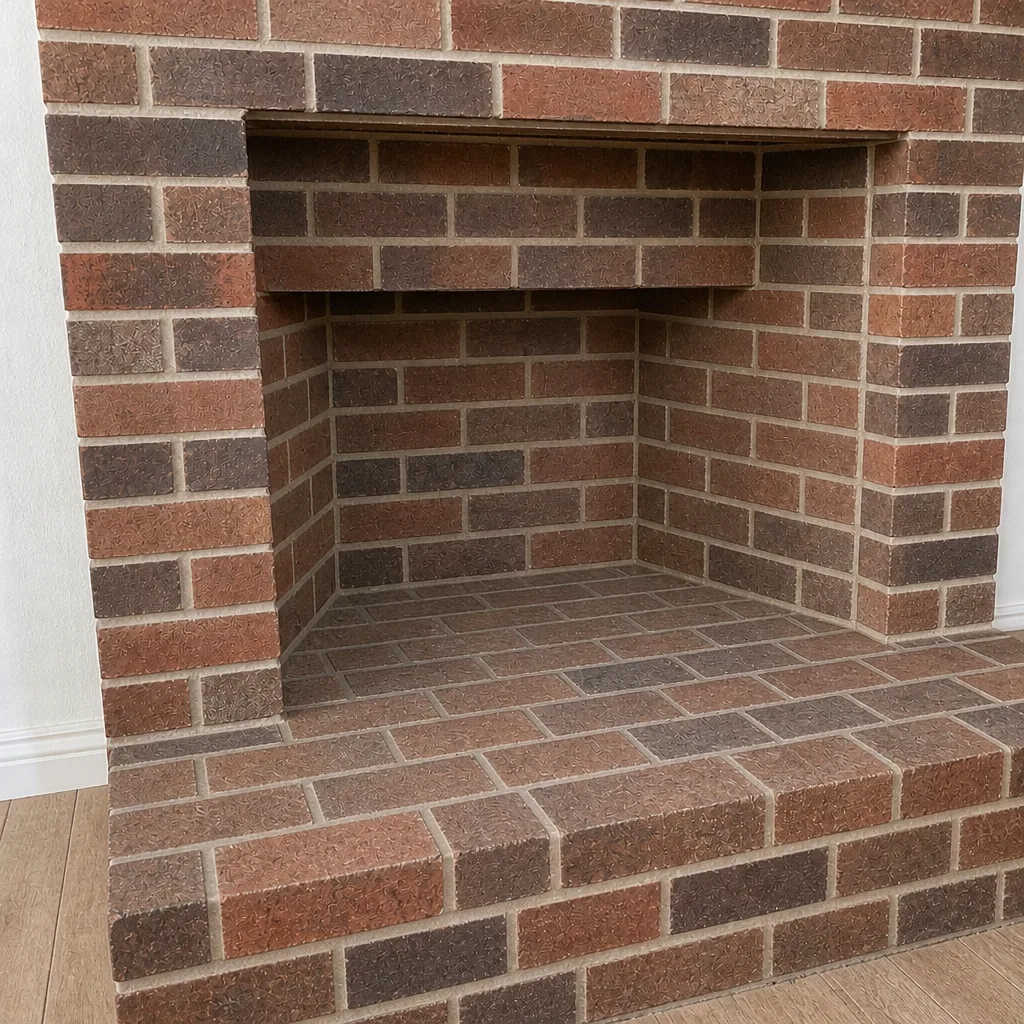
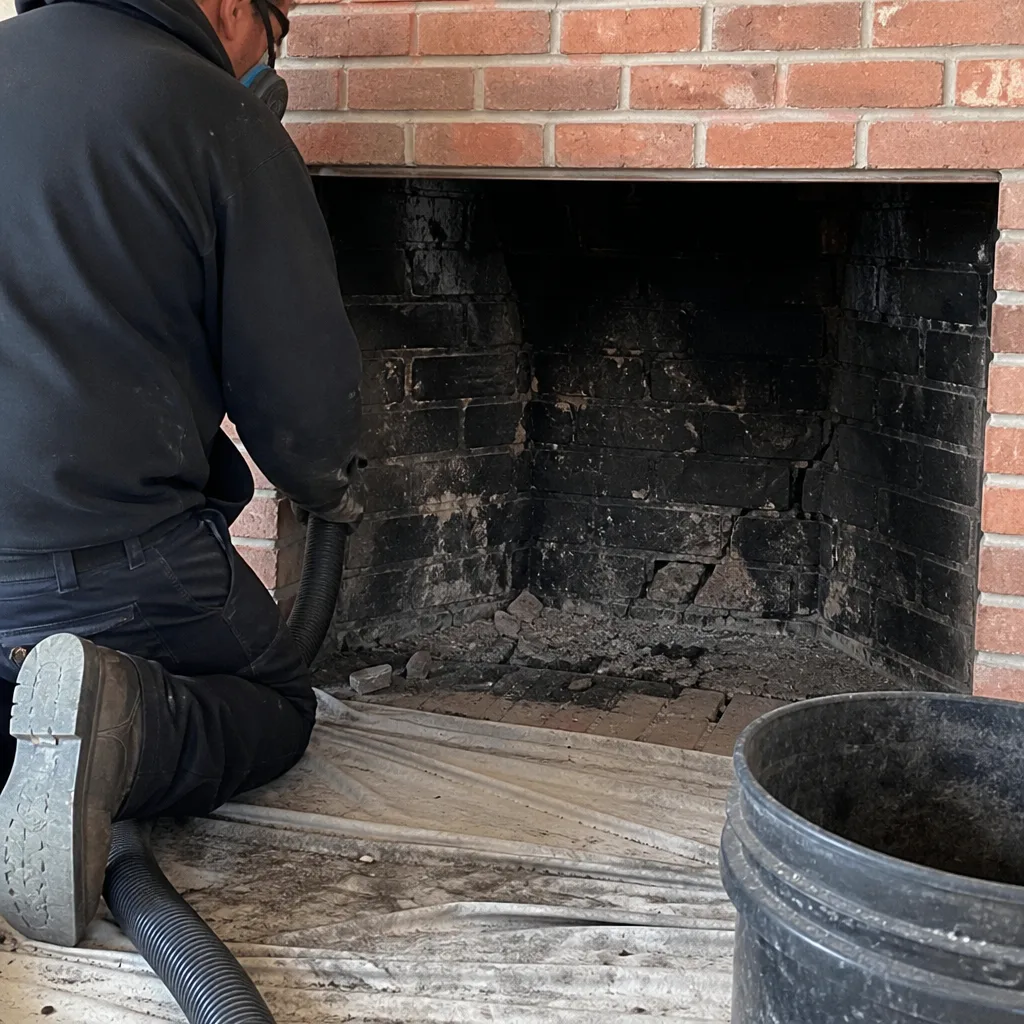
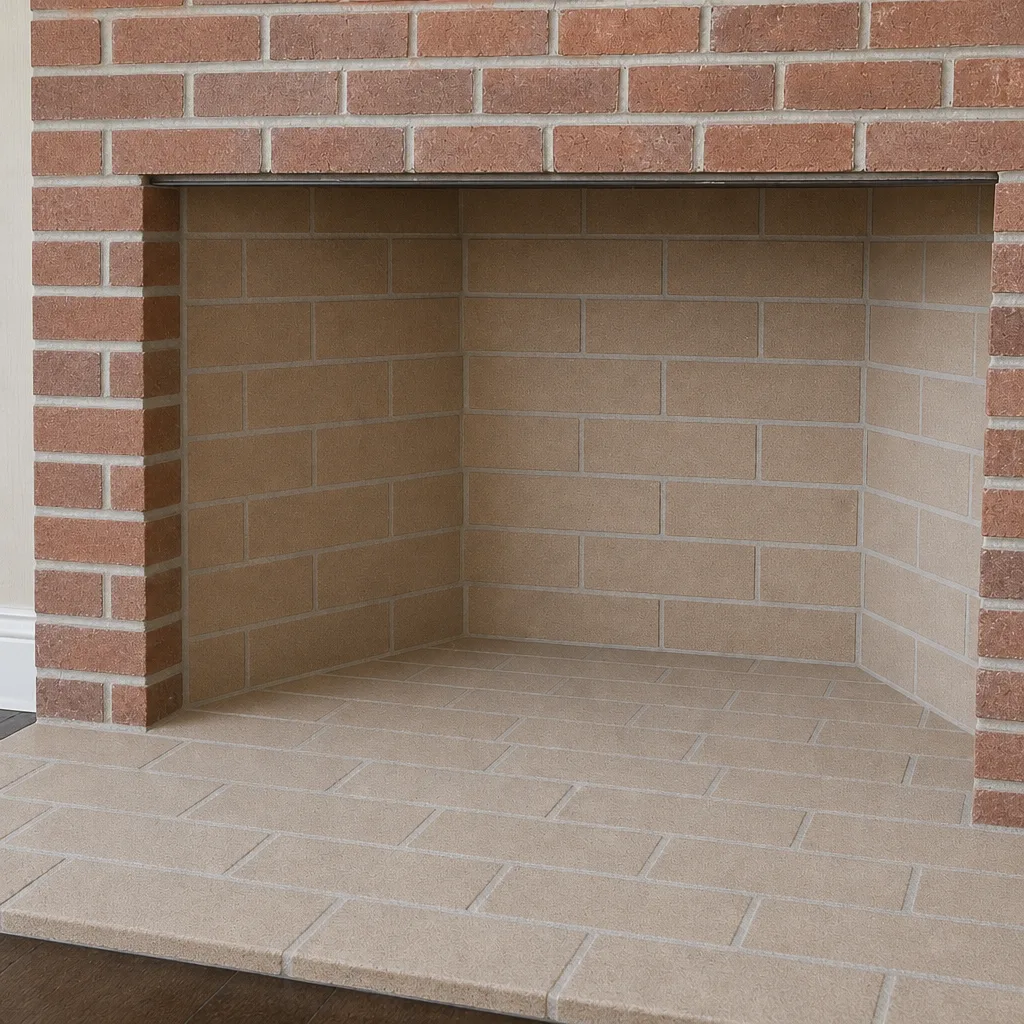
See the difference
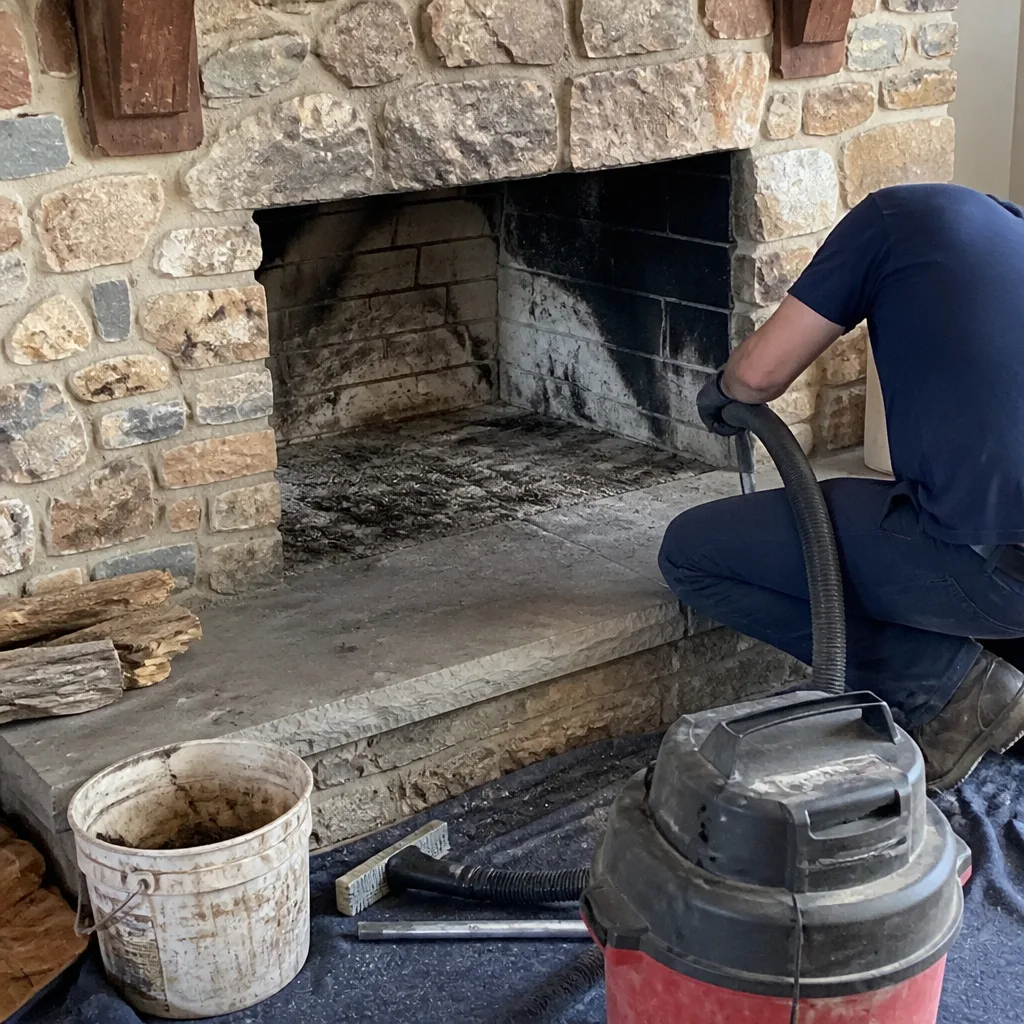 Before
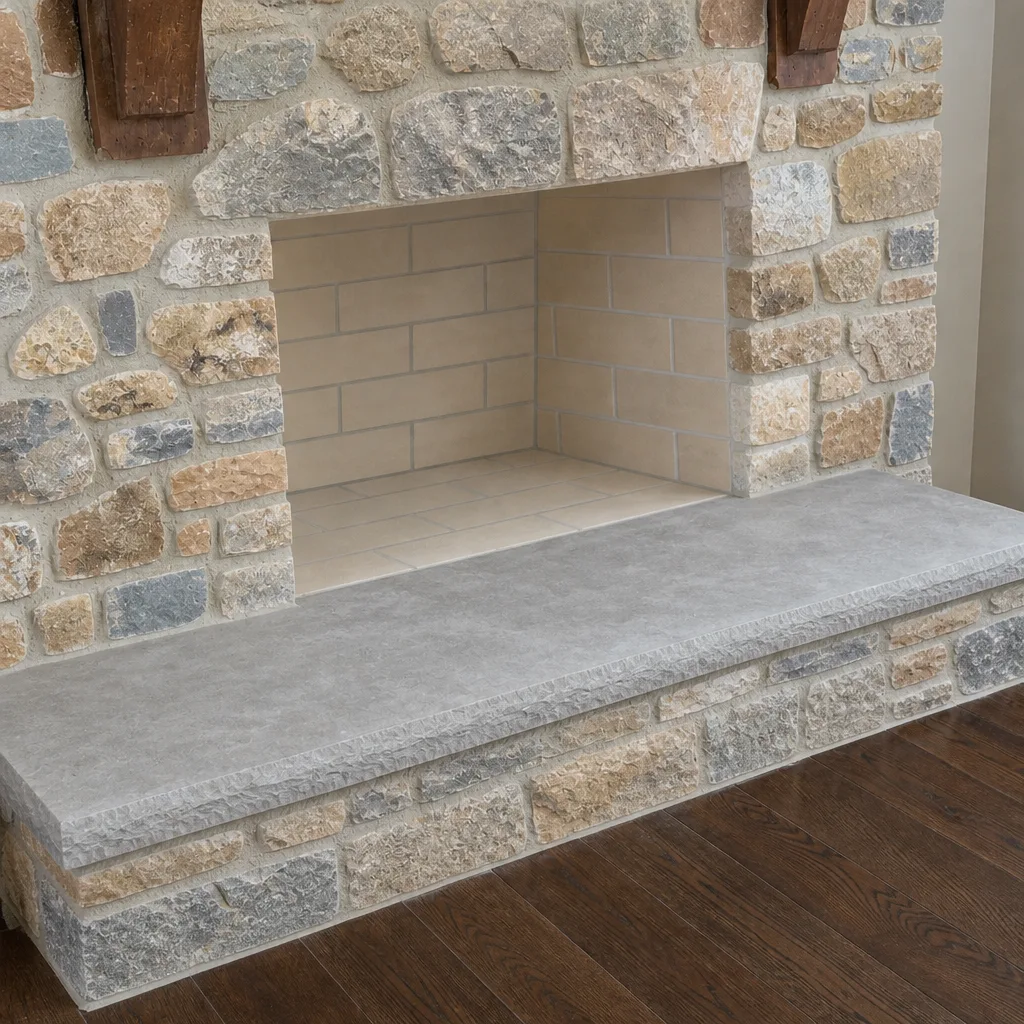 After
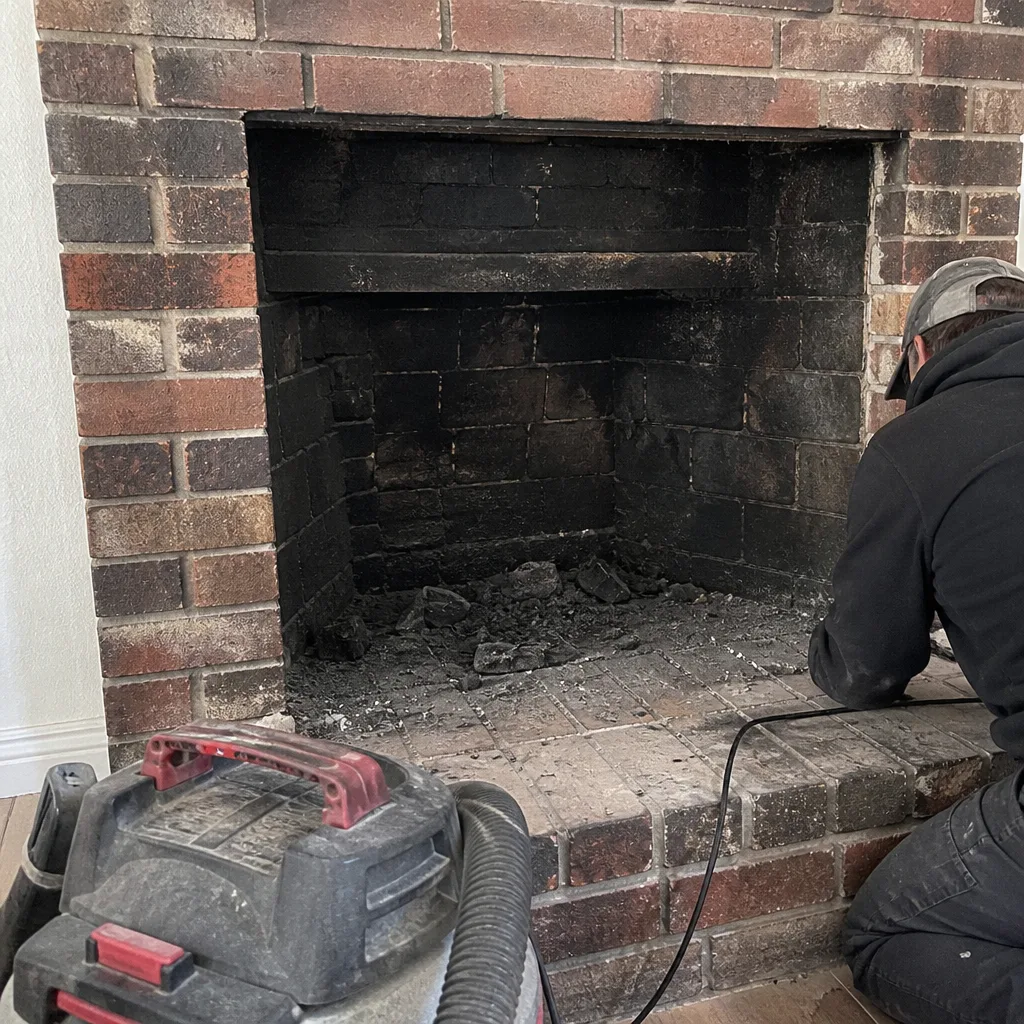 Before
 After
 Before
 After
When to Call a Professional
Call a chimney professional when you hear roaring or pops during a fire, when you smell hot tar or metallic odor with no visible fire, when you see smoke backing into the room or dark stains appearing on the chimney exterior, or when your CO detector has ever alarmed. Call after any chimney fire, before relighting the fireplace, for the Level 2 inspection NFPA 211 requires. Call when you’re buying a South Jordan home with a fireplace you haven’t personally used. Call when the last sweep was more than a year ago, or when you’ve burned more than a cord of wood since the last visit. Call when you’ve added a gas appliance or changed your fireplace insert and haven’t had the flue verified for the new appliance. South Jordan Chimney Sweep offers free estimates in South Jordan. Call (866) 937-8549. We answer 24/7. Fast dispatch from 7am to 7pm, Sunday through Friday. A call outside dispatch hours is booked into the next opening. The local pro is licensed and insured as their state requires, and every sweep is priced flat and agreed before booking, with a camera inspection and photo report included.
Frequently Asked Questions
Once a year, before each burning season, is the standard for a regularly used fireplace. If you burn more than a cord of wood in a season, or if you’ve had any chimney fire, sweep more often or get a Level 2 inspection. Call (866) 937-8549 for an exact quote – estimates are free.
Sweeps in South Jordan typically run in the range most Utah homeowners expect for a professional-grade sweep with an included camera inspection and photo report, and the written estimate sets the final price. Your exact cost depends on the flue type, access, and whether any additional repairs are needed. Call (866) 937-8549 for a free estimate – it’s flat-priced and agreed before the sweep.
No. NFPA 211 requires a Level 2 inspection after any chimney fire before the appliance is used again. The fire department extinguishes the fire but doesn’t certify the flue. Call (866) 937-8549 to schedule the Level 2 inspection and get the written report.
Yes, if the flue is partially blocked or out of spec for your appliance. A gas fireplace can backdraft exhaust into the living space without producing visible smoke, which is why CO detectors belong at sleeping level, not at the ceiling. If your detector has ever alarmed, get out, call 911, and get the chimney inspected before use. Call (866) 937-8549 for an inspection.
Not necessarily. A Level 2 inspection tells you whether the existing liner is still sound. If it isn’t, professional chimney specialists can install a DuraFlex liner built to chimney-industry spec, and for certain flue-wall damage HeatShield ceramic repair can restore the interior without a full replacement. Nothing should be recommended without camera evidence you can see for yourself. Call (866) 937-8549 for the inspection first.
Creosote accumulates in the flue, and once it reaches the glazed stage it can fuel a chimney fire at temperatures well over 1,000°F. Skipping a sweep doesn’t cause a fire, but it removes the only annual checkpoint that catches the buildup before it gets dangerous. Call (866) 937-8549 for a sweep before the next burning season.
The Bottom Line
Chimney emergencies in South Jordan follow patterns: creosote buildup from infrequent sweeping, blocked gas flues that backdraft carbon monoxide, and damaged liners from prior fires that were never inspected. You can prepare for them in two ways. The first is knowing the response sequence – close the damper, leave, call 911, don’t open windows, don’t throw water – and laminating a household emergency card with four answers. The second is preventing them, which means seasoned wood, a hot fire on a clean flue, an annual sweep with camera inspection, and a Level 2 inspection after any fire or before using a fireplace you’ve never personally used. South Jordan Chimney Sweep handles all five core services: sweeping, inspection, fireplace repair, structural chimney repair, and cap and crown installation. One specialist, one relationship, one accountable team for the full life cycle of your chimney. Visit South Jordan Chimney Sweep or call (866) 937-8549 for a free estimate. We answer 24/7. Fast dispatch from 7am to 7pm, Sunday through Friday.
Written by the team at South Jordan Chimney Sweep.